Advantages and Disadvantages of Rodenticides
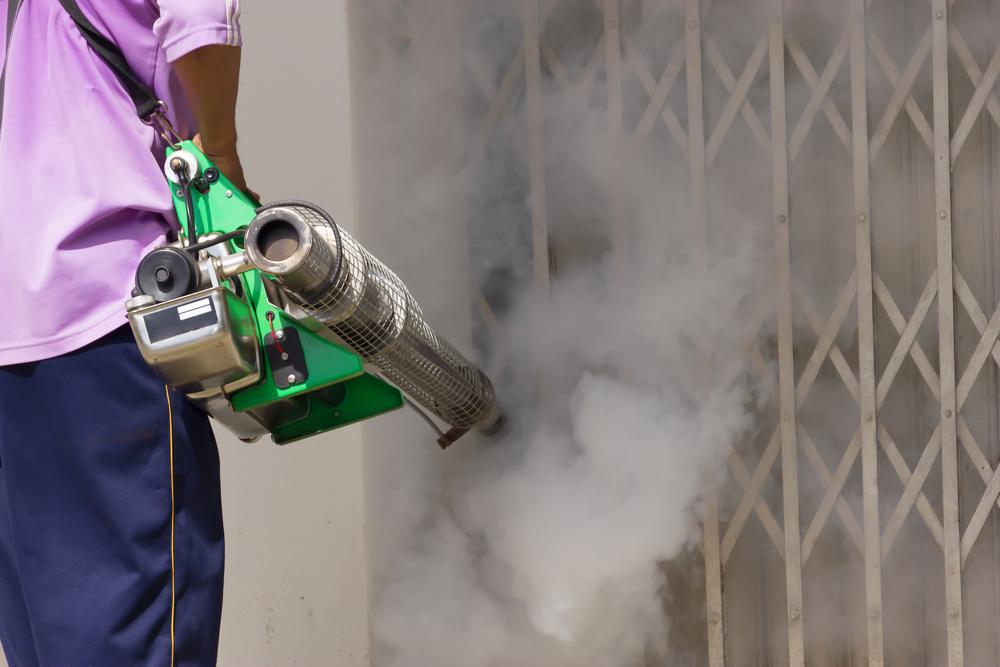
Rodenticides are still considered to be one of the best pest control treatments for getting rid of rodents such as mice and rats. There are disadvantages as well as advantages to using these chemicals. Making the choice to use a rodenticide is up to you. Both options should be weighed heavily.

Advantages
The most obvious advantage to using a rodenticide over other pest control treatments, such as traps, is their overall effectiveness. A rodenticide is a fumigant that will control the overall population of rodents such as rats, mice, and opossums. Unlike a trap that only takes out the individual rodent, a rodenticide will allow the rodent that ingests it to live a while longer so that the fumigant chemical can be brought back to the population and shared with other rodents, getting rid of as many rodents as possible. Using a rodenticide helps prevent humans from being infected with diseases that rodents still carry such as typhus, sylvatic rodent-borne plague, dysentery, and lymphocytic choriomeningitis.

Disadvantages
The biggest concern that many people have with using rodenticides is that they are harsh chemicals. Many are fearful that children, pets and wild animals that are not meant to be harmed will ingest these chemicals and become seriously ill or worse. Children are the biggest concern because they can open containers where these harsh, toxic chemicals are placed. There is also the consideration of run off getting into the water and seeping into the ground from where the chemicals have been sprayed. When using meal rodenticides, the majority of the chemical soaks into the ground and leaves dust particles to breathe that are harsh on the lungs.