Facts About Small Engines
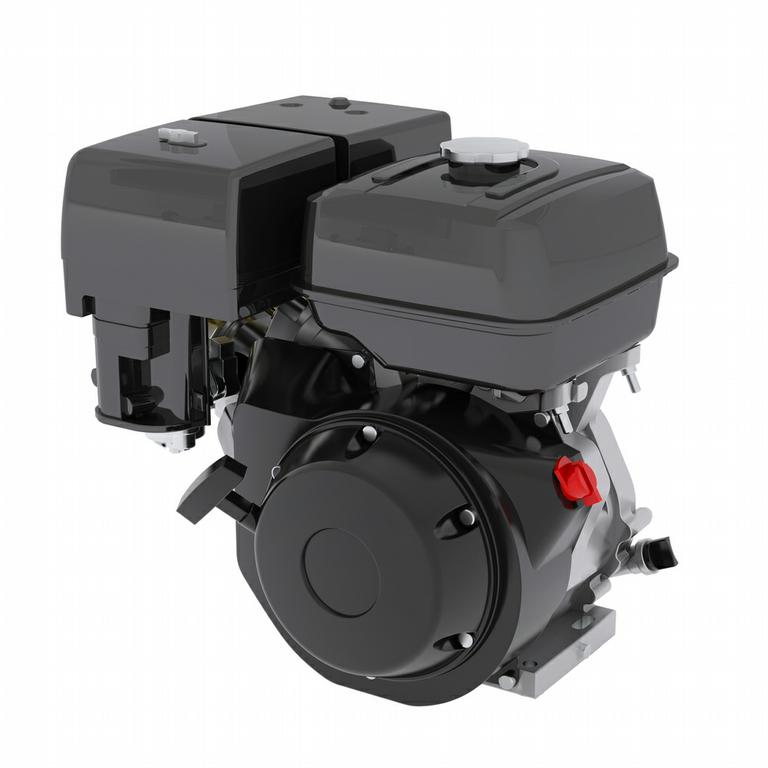
Small engines, which are engines too small to power an automobile, have made a big change in civilization since their invention in the 1800s. Modern life revolves around the small engines in all types of mechanisms. They are simple constructions, found in items anywhere from remote control cars to military mine sweepers.
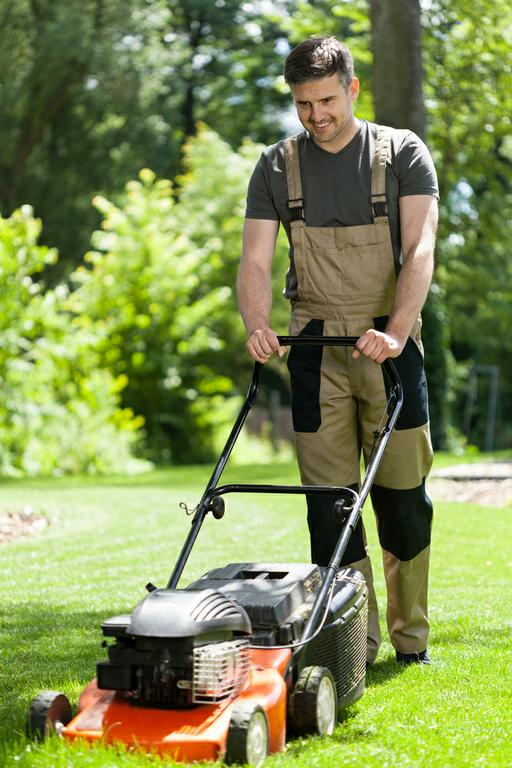
Household
Small engines are found in most ordinary household mechanisms. Lawn mowers, leaf blowers, RC cars, ATV's, chainsaws, generators, boats and so many of the items we use everyday in modern life.
Fuel
Small engines can run from electricity and even solar power, but generally when someone speaks of a small engine they are referring to a gasoline powered engine. Gasoline is mixed with oil in some small engines to lubricate the inner parts of the small engine.
Maintenance
Small engines are maintained and repaired by specific repairmen. Many hand tools are used in the repair of small engines, including wrenches, screwdrivers and pliers. A variety of power tools can also be used depending on the type of small engine being repaired. Testing and diagnostic devices like engine analyzers, compression gauges and ammeters are used often.
Type
Small engines are most often either 2 stroke or 4 stroke engines. In a 2 stroke motor the oil is added to the gas. In a 4 stroke, there is not. There is also a difference in how the firing of the spark plugs and pistons take place. Four stroke small engines are considerably more pricey than 2 strokes.
Combustion
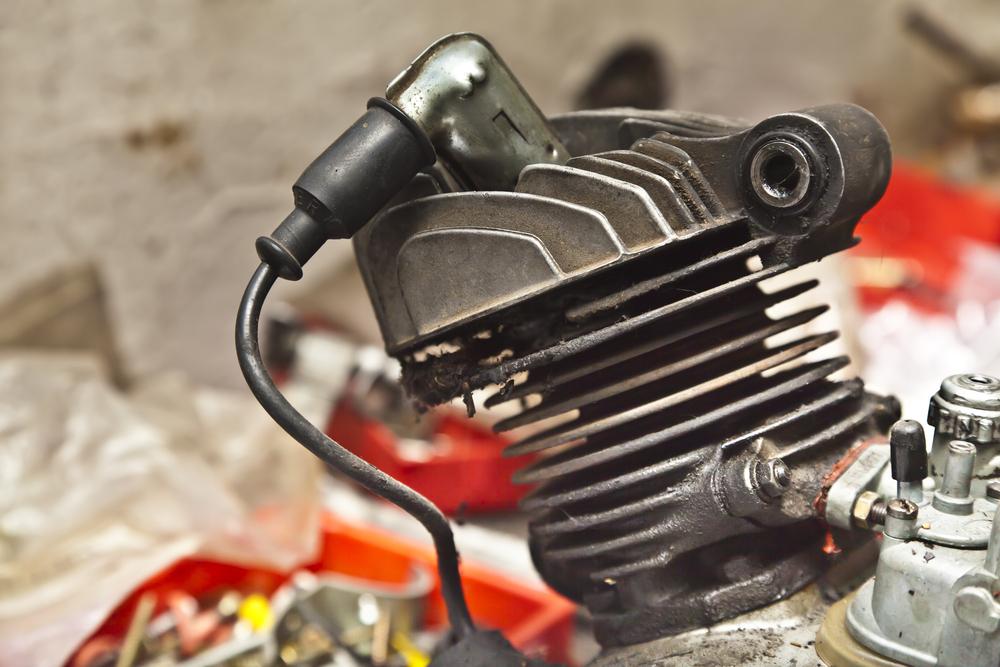
When fuel is in the gas tank of a small engine it is carried by the fuel line into the carburetor in order to mix with air which makes it combustible. The air/gas mixture is distributed into the head above the pistons. Once the ignition is engaged the spark plugs fire, which in turn causes the fuel to combust and produce power.
Cost
The cost of a small engine depends entirely on what type of small engine it is, and what it is being used for. Prices can range from $20 to several thousand.