How Does Graffiti Affect Property Value?
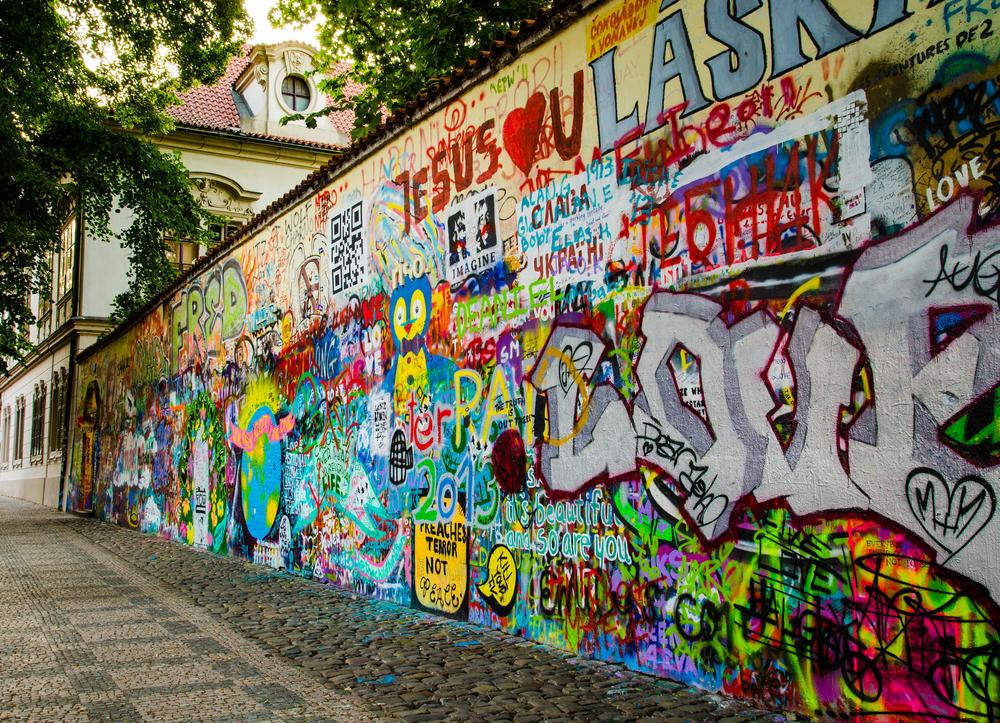
Graffiti is usually a strong visual deterrent for property buyers, especially if it is signals nearby gang activity. The value of property areas with prevalent tagging is usually lower than those without. The nature of the graffiti portrays the quality and personality of the neighborhood around it.
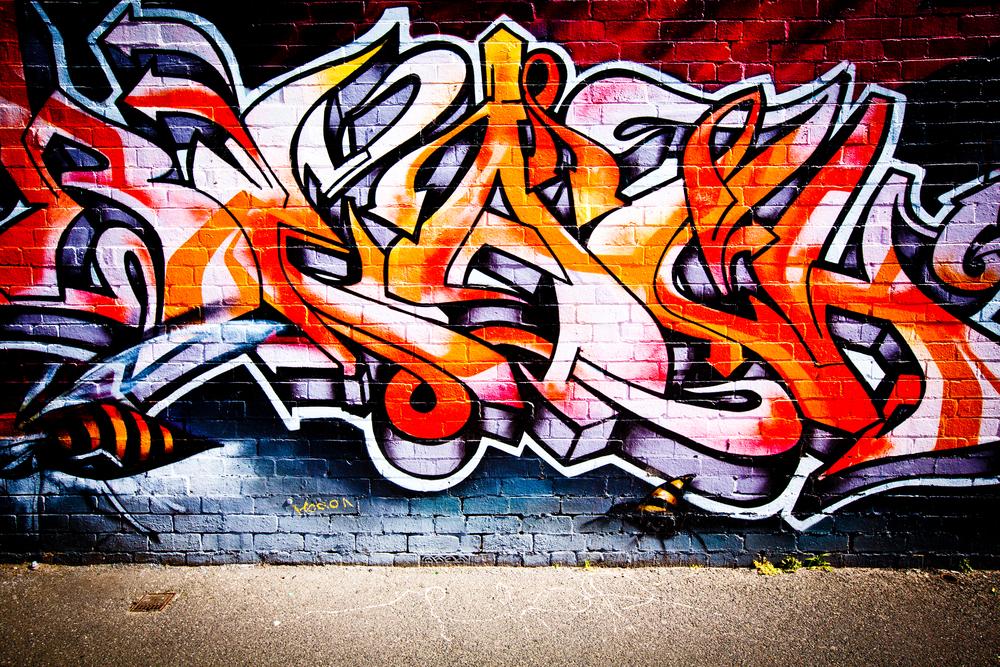
Types of Graffiti
Street artists work for recognition. However, their motives range from boredom to threats of violence, their goal is to have the graffiti noticed. Some pieces involve less thought behind them or are not meant to portray anything other than the artist’s talent. You should carefully consider what message nearby graffiti is meant to portray before assessing property value. Artistic and spur-of-the-moment pieces will be less prevalent and cryptic in nature.
What Graffiti Communicates to Potential Buyers
Regardless of the intended nature of street art, everyone who sees it can interpret it differently. Your clients may not like any kind of street art, or may prefer it. Some property owners even commission graffiti-like murals on blank areas to draw visual attention to their businesses. Gang-related graffiti, however, is indicative of other (more dangerous) activity nearby. If a potential buyer isn’t educated about the real nature of tags or messages, you (as a seller) could face trouble when they find out.

Effects on Property Value
Gang-related graffiti, whether “artistic” or defacing in nature, will decrease the value of your property the most. Other important factors include visibility, location and the (otherwise) condition of the surrounding neighborhood. Pieces depicting racial or political messages are detrimental to value as well. Artistic pieces on otherwise “boring” areas can possibly even raise the property value, depending on the placement and prevalence of the artwork.