How to Clean and Maintain Tile Flooring: The Ultimate Guide for a Lasting Shine
Tile is “low maintenance,” not “no maintenance.”
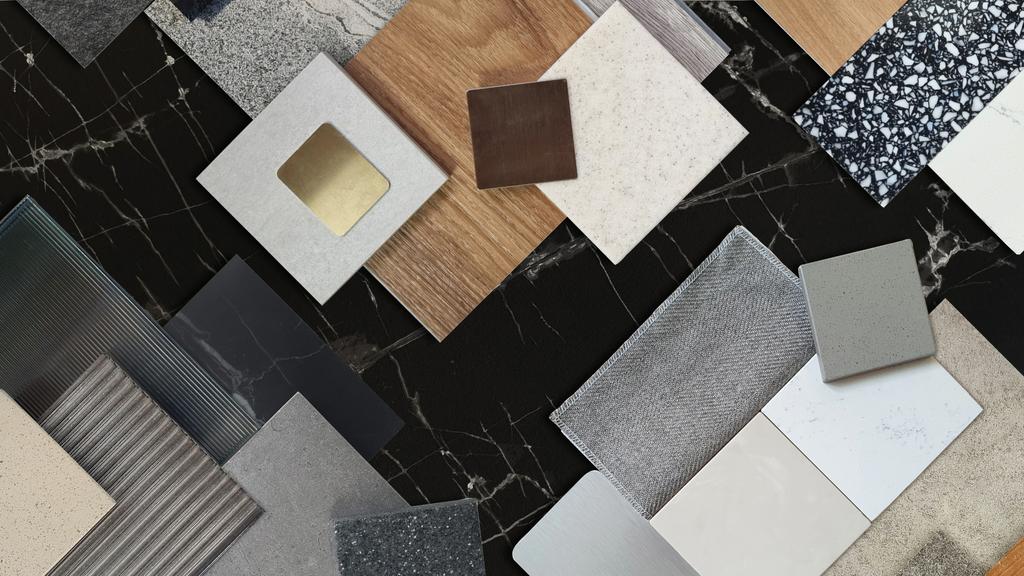
Tile flooring can make any space feel clean, bright, and built to last. It’s one of the reasons so many people choose it for busy areas at home. But even though it’s durable, it still needs some care. Small bits of dirt can slowly scratch the surface, and moisture can get into the grout and cause stains over time. That’s why maintenance matters.
In this guide, we’ll walk you through how to clean and maintain tile flooring in an easy and practical way.
Daily and Weekly Maintenance Habits
Let’s start with habits.
Dirt and grit on your tile floor may seem harmless at first, but they act like sandpaper. With every step, they grind into the surface and slowly wear away the finish.
Over time, this leads to dull, worn-looking tiles and visible signs of damage. That’s why regular cleaning is the key. Follow these steps to keep tile floor maintenance simple.
- Dry cleaning: Sweep with a soft broom or use a vacuum without a beater bar. This helps remove fine particles before they can scratch the tile. Pay extra attention to high-traffic areas where dirt builds up quickly, and clean them more often to reduce wear.
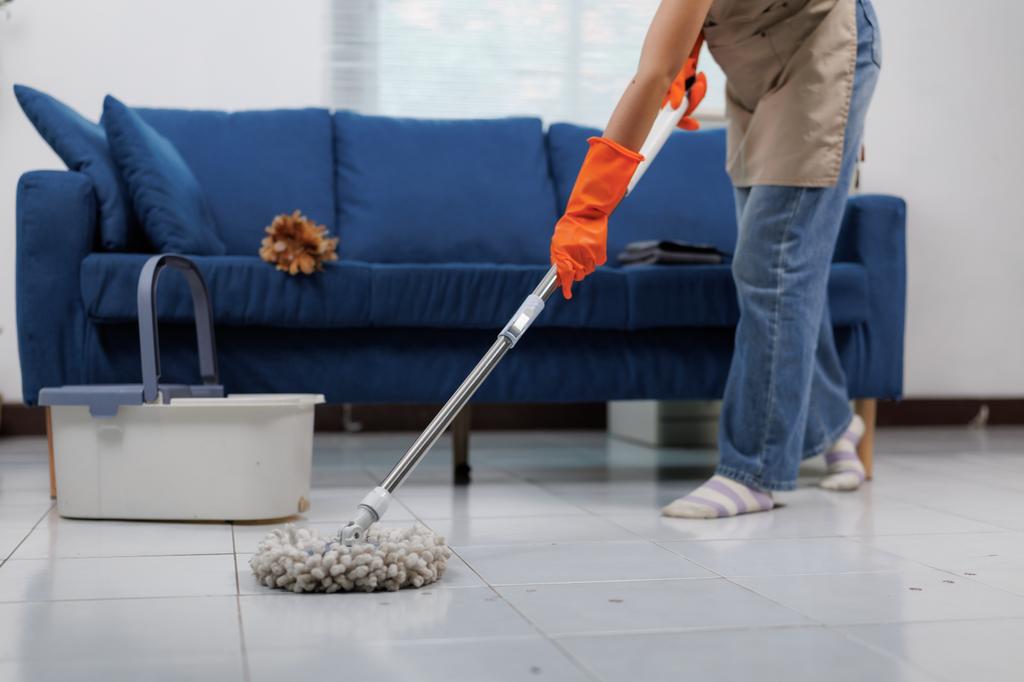
- Mopping: Use a damp microfiber mop instead of a soaking wet one. Too much water can leave streaks and gradually weaken grout lines. A lightly damp mop is enough to lift dirt while keeping the surface in good condition.
- Spill management: Clean spills as soon as they happen. Liquids can seep into grout and cause stains or discoloration if left too long. Quick cleanup helps prevent long-term damage and keeps the floor looking even.
Choosing the Right Cleaning Solutions
Which cleaner do you choose?
Using the right cleaner is just as important as regular cleaning. Some products clean quickly but leave lasting damage behind. If you know what to use, you can avoid costly repairs.
The safest choice for most tile floors is pH-neutral cleaners. They clean effectively without damaging the surface or grout. Many consider them the best cleaners for tile floors because they balance strength and safety.
Harsh chemicals might seem like an option,too, but it’s better to avoid them. Cleaners that contain bleach or ammonia can break down grout and dull the tile’s finish over time. While they may be effective at first, repeated use can cause permanent damage.
There’s also another option: the old and trusted vinegar and water solution. It can work well on ceramic and porcelain tiles. However, you should never use the solution on natural stone like marble or travertine, as the acidity can cause etching and surface damage.
Material-Specific Care Instructions
Time to get into the details.
To learn how to clean and maintain tile flooring like a pro, you should first consider the tile material. Each type reacts differently to dirt, moisture, and cleaning products.
Ceramic and Porcelain Tile Care
Ceramic and porcelain tile care is generally simple because these materials are highly durable and resistant to stains and moisture.
They are less porous compared to natural stone, which means dirt and spills stay on the surface instead of soaking in. This makes cleaning much easier and faster. Regular sweeping and mopping with a mild cleaner is usually enough to keep them looking fresh.
They also handle everyday wear very well, which is why they are commonly used in kitchens, bathrooms, and hallways. Even with heavy use, they maintain their finish over time and do not require intensive maintenance to stay in good condition.
Natural Stone
When you’re dealing with natural stone like marble, travertine, or slate, you need to be a bit more careful than with other tile types. These surfaces are more porous, which means they can absorb liquids and stains more easily.
You should avoid anything acidic in your natural stone floor cleaning routine. Even everyday things like vinegar or lemon juice can cause “etching,” which leaves dull spots or marks on the surface that are hard to fix.
Instead, you’ll want to use a cleaner made specifically for stone. These products are designed to clean gently without damaging the finish, helping you keep the natural look of the stone for years.
Textured or Anti-Slip Tiles
Textured or anti-slip tiles need a bit more attention because their uneven surface can trap dirt, grease, and dust in the small crevices. If you’re cleaning them, don’t just rely on regular mopping since it often misses the buildup hiding in the texture.
To clean them properly, use a soft-bristle brush or even an old toothbrush to gently work into the grooves where dirt collects. A mild, pH-neutral cleaner for tile floors works best here, helping you lift grime without damaging the surface or reducing the tile’s slip resistance.
The Secret to Long-Lasting Floors: Grout Care
Grout is the unsung hero of your floor, holding everything together. But it also tends to collect dirt and stains more easily than the tiles themselves. Here are some grout cleaning tips that can make your floors last longer and look cleaner.
Grout Cleaning:
- Use a soft brush or an old toothbrush and gently work along the grout lines.
- Focus on areas where dirt builds up, especially corners and high-traffic spots.
- Scrub lightly and steadily to lift dirt without wearing down the grout surface.
Grout Sealing:
Sealing grout is just as important as cleaning it. You can do a simple “water bead test” by dropping a few drops of water on the grout. If the water soaks in instead of sitting on the surface, the seal has worn off.
In general, resealing every 1–2 years helps protect against moisture, stains, and long-term damage, keeping your floor stronger and easier to maintain.
Common Mistakes to Avoid
Knowing the right habits is great. Now, let’s take a look at what you should avoid if you want your tile floor to last longer.
- Using steel wool or abrasive pads: You might think they clean better, but they can scratch the surface and leave your tiles looking dull.
- Leaving standing water: Try not to let water sit on the floor after cleaning, as it can cause moisture issues and affect the grout over time.
- Skipping the rinse step: If you don’t rinse properly after cleaning, you can end up with a cloudy film that makes your floor look less clean than it really is.
When to Call a Professional
There are some moments when calling a professional isn’t optional; it’s the safest and most effective way to protect your floor. In these situations, expert help can solve problems that regular care simply can’t fix.
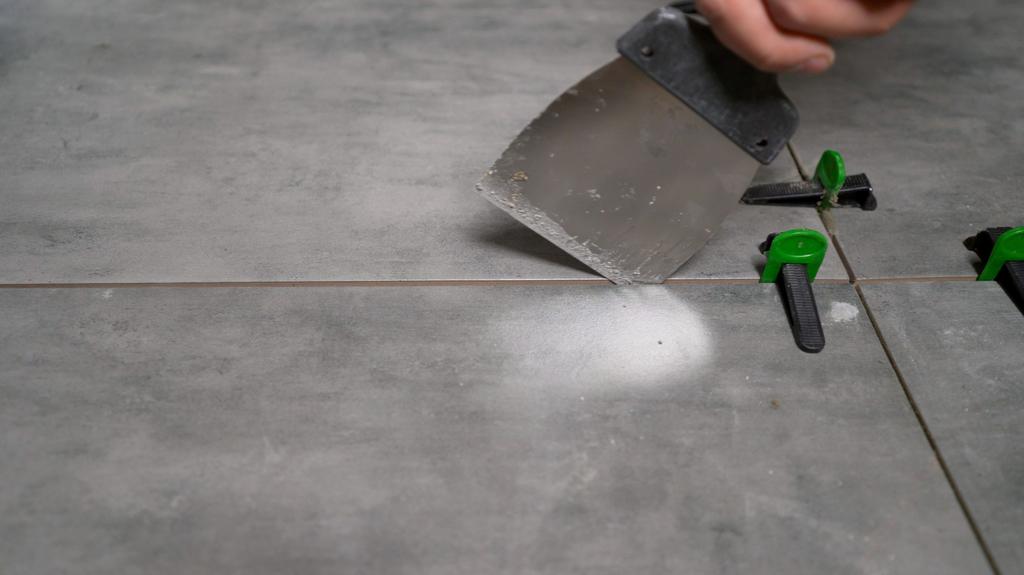
- Stubborn stains in grout: Imagine a cooking spill in the kitchen that looks cleaned up, but weeks later, the grout line still shows a dark shadow that won’t fade no matter what you try.
- Cracked or shifting tiles: You might notice a few tiles near a doorway starting to move or make a hollow sound when stepped on, which often points to a deeper installation issue.
- Loss of shine or dull surface: Your floor may start looking flat and worn, even after cleaning, especially in high-traffic areas like hallways or living rooms.
In these cases, reaching out to a local professional helps restore the floor properly and prevents the problem from getting worse.