Why Replace Your Fireplace and Chimney
Here are the top 3 things a homeowner should consider when deciding on replacing a fireplace and chimney.
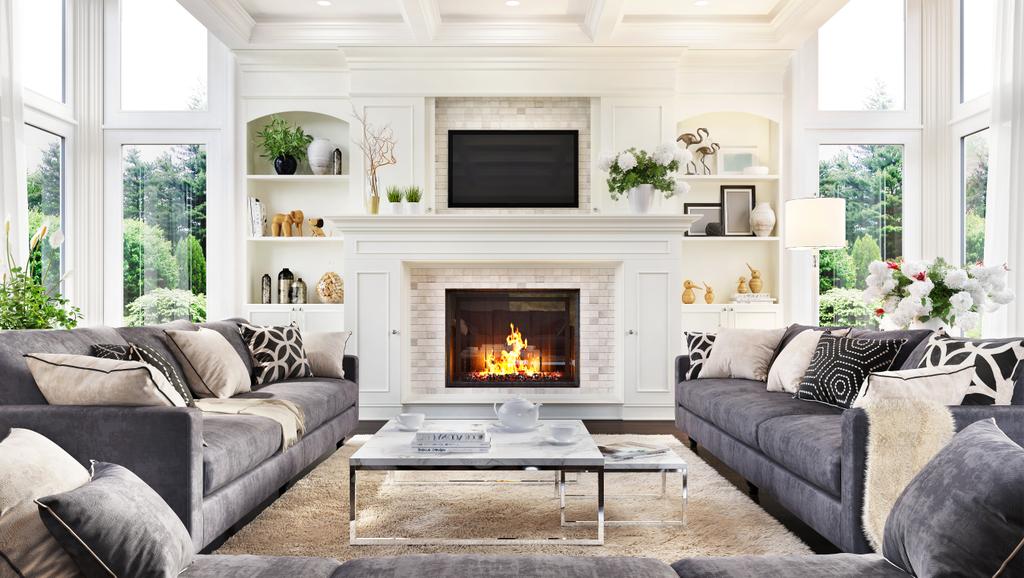
Replacing your fireplace and chimney is a great way to update your home and make it more energy efficient. You'll get the added benefit of improved air quality, as well as a more modern look for your living space.
This article will help you understand why it's time for a replacement, what benefits come from doing so, and how to go about choosing the right products for your needs.
Why Replace Your Fireplace and Chimney
Your fireplace and chimney may be in need of a replacement for a number of reasons. Perhaps it's old, outdated technology that needs to be replaced with something more efficient. Maybe you want to update the look of your home by adding an attractive new design element or modernizing its appearance. Or maybe safety concerns have made replacing your fireplace and chimney essential--perhaps there's asbestos in the walls or cracks in the brickwork that could lead to a dangerous fire if left unaddressed.
Whatever the reason behind it, replacing your fireplace and chimney is a great way to improve both comfort levels and aesthetics within your home while also ensuring that no one gets hurt while using them!
Choosing the Right Professional
The first step in the process is to find a professional who can help you with your fireplace and chimney replacement. This can be done by researching contractors in your area, getting quotes from them, and then selecting one based on their qualifications and price point.
The most important thing to keep in mind when hiring a contractor is that they are licensed professionals who know what they're doing--and if they don't, they should not be allowed anywhere near your home or family members! You want someone who will install a safe product that will last for years without any issues.
Types of Fireplaces and Chimneys
There are many different types of fireplaces and chimneys. You'll want to consider the following factors when choosing your new fireplace and chimney:
- Materials: The material used in construction can affect how long your fireplace or chimney lasts, as well as its durability and cost. For example, steel is a popular choice because it's strong but also inexpensive. On the other hand, cast iron is more expensive but also more durable than steel.
- Fuel types: If you plan on using wood as fuel for your new fireplace or chimney (as opposed to gas), then make sure that whatever model you choose has an adequate amount of space for storing logs inside its chamber--this will help keep them dry so they don't rot over time! If possible, try visiting local hardware stores before making any decisions about purchasing materials so that you can see what kinds are available locally rather than ordering online only after narrowing down choices based solely on price point alone."
Installation Process
The installation process is a critical part of your fireplace and chimney replacement. The more complex the project, the more careful you need to be in choosing a contractor who can do it right.
The first step in any installation is determining whether or not you need new flue liners installed as part of your project. If so, this will add time and cost to your project; however, it's important that all fireplaces have proper ventilation systems installed because they help prevent carbon monoxide poisoning from occurring inside homes where they're used (and even if they don't use one).
If you choose not to replace them yourself or hire someone else who does not have experience working with these materials before--and many people do choose this option because it's cheaper--then make sure that whoever installs these parts knows what he/she is doing!
Maintenance and Upkeep
The first thing you need to do is clean and inspect your fireplace. If it's been a while since you've had it cleaned, this is a good time to make sure there are no cracks or damage that could be compromising its structural integrity. If there are any problems with the fireplace itself, they should be addressed immediately so that they don't worsen over time and lead to more expensive repairs down the road.
Next up: potential repairs! If you're thinking about replacing your chimney cap with something new (and safer), now would be an ideal time for that swap-out as well--especially if yours has been around for several years without being replaced yet (which means it may not meet current safety standards).
Cost of Replacing a Fireplace and Chimney
The cost of replacing a fireplace and chimney depends on several factors, including the materials you choose to use. The most common material for fireplaces is brick, but you can also choose stone or concrete blocks. The type of chimney you have will also affect the price of your project. For example, if your existing chimney has been damaged by water infiltration or other problems over time (like cracks), then it may need to be replaced entirely rather than repaired--and this could add hundreds or even thousands of dollars onto your final bill!
Another factor affecting how much it costs to replace a fireplace and chimney is labor costs: some contractors charge per hour while others charge by the job instead; either way will ultimately determine how much money goes into their pockets at the end of each day's work. Finally--and perhaps most importantly--there are permits required by local governments before any significant construction project can begin; these tend not only to increase overall expenditures but also add significant delays due to waiting periods between application submission dates/times as well as inspection dates/times once submitted applications have been approved by city officials (which may take weeks).