
Understanding Allergy Testing and How It Can Improve Your Health
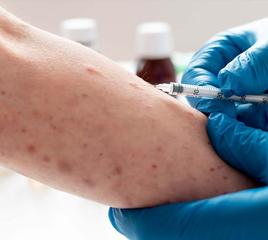
Allergy testing is a crucial step in understanding your body’s reactions to various allergens, such as pollen, dust, pet dander, or certain foods. With allergies affecting millions worldwide, it’s essential to know what triggers your symptoms so you can avoid them and manage your health more effectively. Whether you’re dealing with seasonal allergies or food sensitivities, allergy testing can help pinpoint the cause, leading to better treatment and an improved quality of life.
What is Allergy Testing?
Allergy testing is a medical procedure that identifies substances causing allergic reactions. When someone is allergic to a particular substance, their immune system reacts as though the substance is harmful. The body’s defense system produces antibodies, specifically IgE, to fight off the allergen. These reactions can vary in severity, from mild discomfort to life-threatening conditions such as anaphylaxis.
The goal of allergy testing is to identify what triggers these reactions so that individuals can avoid the allergens and reduce symptoms. Allergy tests can help diagnose allergies to airborne substances like pollen, dust mites, and pet dander, as well as food allergies and insect stings.
Common Types of Allergy Tests
Several types of allergy tests are available, and the choice of test will depend on the symptoms, age, and suspected allergen. The most common tests include:
- Skin Prick Test
- The skin prick test is one of the most commonly used methods for testing allergies. In this test, a small amount of allergen is placed on the skin, usually on the forearm or back. The skin is then pricked with a tiny needle. If you're allergic to the substance, a small bump will appear within 15 minutes. This test is quick and effective for detecting reactions to airborne allergens, like pollen or pet dander.
- Blood Test (IgE Test)
- A blood test measures the levels of specific IgE antibodies in your blood that are produced in response to allergens. It’s often used when skin tests aren’t possible or for people who may be at risk of severe allergic reactions. This test can help detect sensitivities to food, environmental allergens, and insect stings.
- Oral Food Challenge
- An oral food challenge is a test used to confirm food allergies. Under close medical supervision, you will be asked to eat small amounts of the suspected food allergen. The test is conducted in a controlled environment to ensure safety in case of an allergic reaction. This method is considered the gold standard for diagnosing food allergies.
- Intradermal Skin Test
- In this test, allergens are injected just beneath the skin. It is more sensitive than the skin prick test and may be used when testing for substances like insect stings or certain medications.
- Patch Test
- The patch test is often used to identify contact allergies, such as reactions to chemicals or materials like latex. Small patches containing allergens are placed on the skin for up to 48 hours, and the skin’s reaction is observed.
Why Allergy Testing is Important
Understanding the allergens causing your symptoms is the first step toward managing your health effectively. For many individuals, allergies can interfere with daily activities, causing discomfort like itchy eyes, headaches, nasal congestion, and fatigue. In some cases, severe allergic reactions can be life-threatening.
By identifying the specific allergens through testing, healthcare providers can recommend appropriate treatments such as antihistamines, nasal sprays, or allergy shots. Additionally, understanding what you’re allergic to allows you to make informed decisions, such as avoiding certain foods, managing pet dander in your home, or taking precautions during allergy season.
Managing Allergy Symptoms
Once the allergens are identified, managing symptoms becomes much easier. Treatment options may include:
- Allergy Medications: Antihistamines, decongestants, and nasal sprays can help alleviate symptoms.
- Allergy Shots (Immunotherapy): Over time, allergy shots can desensitize your immune system to allergens.
- Lifestyle Adjustments: Avoiding allergens, such as using air purifiers or wearing masks during high pollen seasons, can help prevent reactions.
Book an Appointment Today
If you’re experiencing unexplained allergic reactions or want to confirm your sensitivities, it’s time to consider allergy testing. At A1 Medical Clinic, we offer comprehensive allergy testing for over 50 allergens, including airborne particles, foods, and insect stings. Our team is here to help you identify triggers and create a personalized treatment plan.
Don’t let allergies hold you back. Book an appointment today to take the first step toward better health and well-being.

