
What Are the Risks of Undergoing Liposuction?
One kind of surgery is liposuction. It employs suction to get rid of fat from particular body parts, like the stomach, hips, thighs, buttocks, arms, or neck. These areas are also shaped by liposuction. Contouring is the name of that process. Liposuction is also known as lipoplasty and body sculpting.
If you have a lot of body fat in certain areas but otherwise have a stable body weight, liposuction can be a good option for you. This is the option for your fat transfer surgery.
It is frequently used on the back, neck, chin, upper arms, thighs, buttocks, and calves.
A hollow device called a cannula is used to extract the fat. This is placed beneath the skin. On the cannula, a strong, high-pressure vacuum is applied.
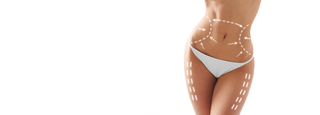
For the duration of the surgery, anesthetic is required for liposuction. This means that during the liposuction procedure, you won't experience any pain. However, the surgery will leave you in discomfort. Recovery might be uncomfortable as well.
You can have a shorter or longer hospital stay depending on which body areas need liposuction. Certain treatments can be carried out in an outpatient facility. Following liposuction, it's typical to have discomfort, bruising, swelling, soreness, and numbness. In fact, a lot of celebrity fat transfer procedures also take place.
Risks involved
Liposuction is a significant procedure that carries a number of hazards. Prior to getting liposuction, it's crucial to go over all the dangers with your expert fat transfer surgeon.
Risk during surgery
· Anesthesia problems, puncture wounds, or injury to other organs
· Burns caused by tools like ultrasonography probes
· Nerve injury
· Shock
· Death
Risks after the process is completed
· Pulmonary blood clot
· A surplus of fluid in the lungs
· Obesity-related infections
· Hematoma (skin-deep bleeding)
· Fluid seeping through the skin, or seroma
· (Swelling) Edema
· Skin necrosis, also known as skin cell death
· Adverse effects of anesthetic and other drugs
· Death due to heart and kidney issues
Risks at the time of recovery
· Issues with the body's structure or curves, wavy, bumpy, or textured skin, as well as numbness, bruising, pain, swelling, and stiffness
· Infections
· Scarring fluid imbalances
· Skin color changes, as well as sensory and feeling alterations
· Difficulties with healing
Other risks involved:
Imperfections in the contour.
Due to scarring, poor skin elasticity, and uneven fat removal, your skin may appear bumpy, wavy, or withered. These modifications could be long-lasting.
Accumulation of fluid
Seromas, or transient pockets of fluid, can develop beneath the skin. They can require a needle to be used to drain them.
Numbness
In the treated areas, you can experience short-term or long-term numbness. The local nerves could also feel agitated.
Infection.
Skin infections are uncommon but conceivable. A serious skin infection could endanger your life.
Internal wound.
Rarely, an internal organ may be punctured if the narrow surgical tube pierces too deeply. To fix the organ, it might be necessary to do urgent surgery.
Obese embolism.
It's possible for fat to separate in pieces and get stuck in a blood artery. They might then move to the brain or congregate in the lungs. A medical emergency is a fat embolism.
Heart and kidney issues.
Fluid changes when substantial amounts of liposuction are carried out. Kidney, heart, and lung issues could result from this could be fatal.
Toxicity of lidocaine.
A drug called lidocaine is used to treat pain. It is frequently injected along with fluids during liposuction. Despite the fact that lidocaine is often harmless, lidocaine toxicity can occasionally happen and result in major issues with the heart and central nervous system.
Conclusion
You can look for professional cosmetic surgeons in Los Angeles and other various places according to your own needs. Additional adverse effects could manifest months after the operation. For instance, some people develop a seroma after surgery, which is a fluid-filled sac under the skin. A seroma may go away on its own or may need to be drained using a needle and syringe. Fat necrosis, or tissue destruction, can also occur in some persons. The process of recuperation may also result in changes to the shape of the body.
Doctors advise adopting healthy dietary practices and continuing regular physical activity after both surgeries.
The adverse effects of liposuction over the long term can differ. By using liposuction, fat cells in the body's desired locations are permanently removed. As a result, even if you put on weight, your body will continue to store fat in various locations. Deeper beneath the skin, the new fat can develop and become hazardous if it surrounds the liver or heart.
Permanent nerve injury and modifications to skin sensation can occur in some people. Others may experience persistently rough or wavy skin or develop depressions or indentations in the suctioned areas.
Other injections
Doctors have been using the medication Botox to address wrinkles and folds on the face for many years. A toxin produced by the bacteria Clostridium botulinum is known by the brand name "Botox." There are additional brands, including Xeomin and Daxxify. Since Botox was the first injectable form of the toxin, it is the term you hear the most frequently.
It merely takes a few minutes to receive Botox. There is no need for anesthetic. Botox is gently injected into selected muscles by the practitioner using a tiny needle.
The full effects often take 7 to 14 days to manifest. It is advised to refrain from drinking beginning at least one week before the surgery. To reduce the risk of bruising, you should cease taking aspirin and anti-inflammatory drugs two weeks before treatment.
For 24 hours, refrain from scratching the injection site to prevent spreading the Botox to other areas. In addition, your doctor could advise that you take a day off from exercise and remain upright for 4 hours after the doses.
Depending on the procedure, there are worries that Botox's effects could spread beyond the injection site and cause symptoms including breathing difficulties.
Some people are more likely than others to experience this, and genetic factors could be involved.

