
A Complete Guide to ABS Filament with Antistatic Properties
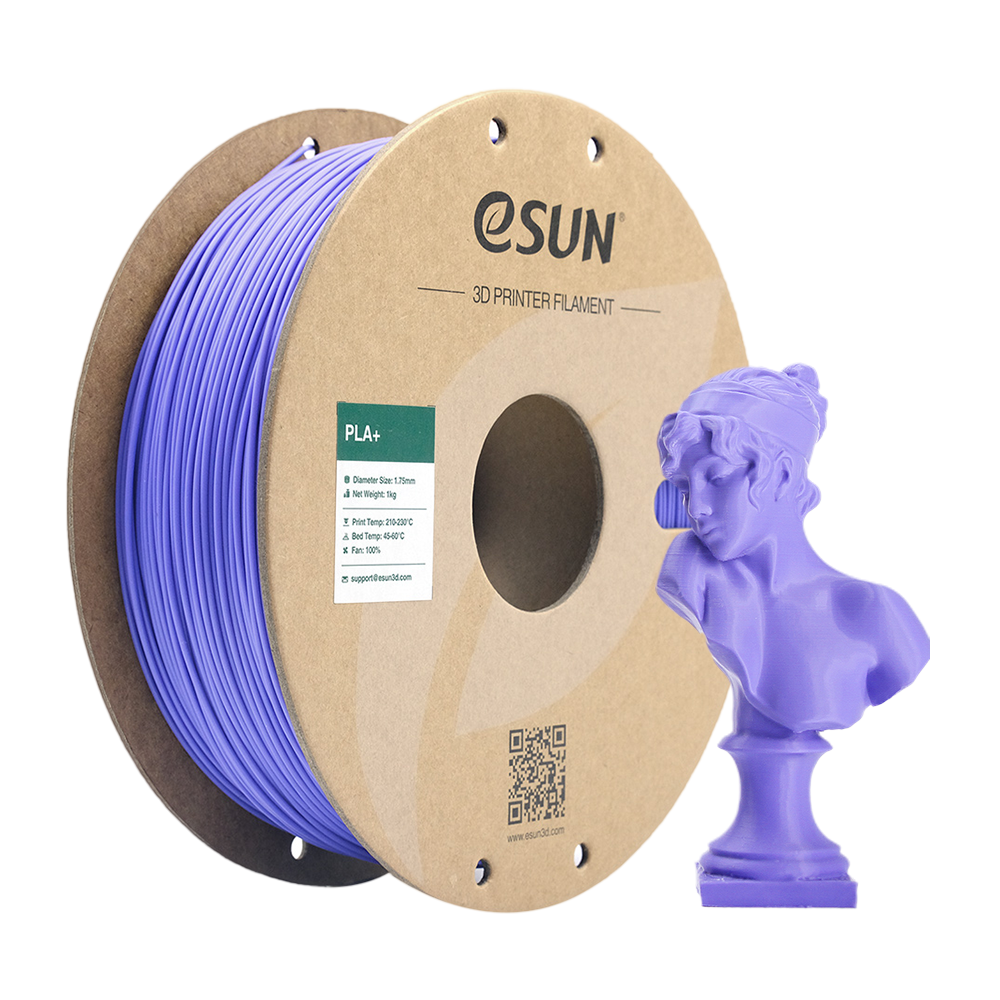
In the realm of 3D printing, material choice is a crucial aspect that dictates the quality, strength, and functionality of the final printed product. One such material that has been gaining popularity due to its unique properties is ABS filament with antistatic capabilities. This guide aims to provide comprehensive information about this filament, its benefits, and potential use cases.
Understanding ABS Filament
ABS, short for Acrylonitrile Butadiene Styrene, is a common thermoplastic polymer typically used in injection molding applications. Its popularity in 3D printing comes from its robustness, durability, and affordability. However, the standard ABS filament has an inherent limitation - it is prone to static build-up, which can cause issues during printing and in the final product. This is where antistatic ABS filament comes into play.
What is Antistatic ABS Filament?
ABS filament with antistatic properties, also known as ESD (Electrostatic Discharge) ABS filament, is a type of ABS filament that has been specially treated or modified to reduce static electricity build-up. This is achieved by incorporating additives or conductive fillers into the ABS material, which help dissipate the static charges, making the filament significantly less prone to static-related issues.
Benefits of Antistatic ABS Filament
The advantages of using antistatic ABS filament are numerous. Firstly, it reduces static build-up, which can be critical in preventing damage to sensitive electronic components. This characteristic makes it an excellent choice for printing components that will be used in electronic devices or environments where static electricity could be detrimental. Secondly, by reducing static, it also helps to prevent dust and dirt attraction, keeping your prints cleaner for longer. Lastly, like standard ABS filament, it retains its excellent mechanical properties, offering high strength, durability, and heat resistance - making it suitable for a wide variety of applications.
Applications of Antistatic ABS Filament
Thanks to its antistatic properties, ABS filament finds extensive use in industries where static electricity could pose a problem. For instance, in the electronics industry, it's often used to print enclosures, components, or tools that come into direct contact with sensitive electronic parts. This helps prevent static discharge, which could potentially damage the electronics.
Another significant application of antistatic 3D printing filament is in the production of parts for explosive environments. In such settings, a static discharge could cause a spark, leading to a possible explosion. Therefore, antistatic ABS filament is used to produce components that can safely be used in these environments.
Printing with Antistatic ABS Filament
Printing with antistatic ABS filament is similar to printing with standard ABS. However, due to the additives used to make the filament antistatic, the printing temperature may need to be slightly higher. It's also essential to ensure that the printer bed is heated adequately to prevent warping, a common issue with ABS prints. An enclosed printer is recommended for this filament to maintain a consistent temperature during printing.
Conclusion
Antistatic ABS filament is an impressive material offering a unique blend of durability, strength, and antistatic properties. Its ability to prevent static build-up makes it a valuable asset in many industries, particularly in electronics and explosive environments. With its comparable printing process to standard ABS, it's a material well worth considering for your 3D printing needs.
FAQs
What is ABS filament?
ABS, short for Acrylonitrile Butadiene Styrene, is a common thermoplastic polymer typically used in 3D printing due to its robustness, durability, and affordability.
What are the advantages of using antistatic ABS filament?
Antistatic ABS filament reduces static build-up, prevents dust and dirt attraction, and retains excellent mechanical properties like high strength, durability, and heat resistance.
Where is antistatic ABS filament used?
The antistatic properties of this filament make it suitable for applications in the electronics industry and explosive environments, where static discharge could lead to damage or safety issues.
What is the difference between standard ABS and antistatic ABS filament?
While they share many properties, the main difference lies in the antistatic properties of the latter. Antistatic ABS filament has been treated or modified to reduce static electricity build-up, making it less prone to static-related issues.
Is it difficult to print with antistatic ABS filament?
Printing with antistatic ABS filament is similar to standard ABS, although the printing temperature may need to be slightly higher due to the antistatic additives. A heated printer bed and an enclosed printer are recommended for best results.


