
Making Sense of the Feasibility of a Champagne Bar
If you are wondering how a champagne bar turns a profit, then you must then ask about its feasibility. Wrapping your head around how a product that is purchased on occasion is now served casually. What was once a product associated with luxury now is a product available with ease.
The boom of champagne bars
Several champagne bars started to pop-up in the early 2000s. But during those times, those bars still felt uninviting for everybody. It just felt like a place where richer people get to purchase more champagne and enjoy the luxuries of it, rather than enjoying it at home. Over the past years, the wine market had an influx of small producers of locally made champagne. This caused an increased availability to the beverage.
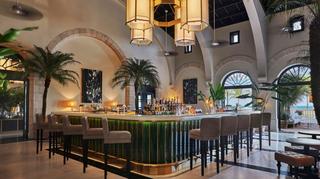
Even with this availability, the champagne is still viewed as a product of high value simply due to perception. This is mainly due to the fact that it has usually been purchased on special occasions. There is a common concept that once a person has a bottle of champagne, we directly assume that they are celebrating a promotion, or a wedding, or any joyous occasion. Most of the owners of a champagne bar are trying to remove this perception that the champagne is on a pedestal and showing it that it is a great drink that people can enjoy at a reasonable price. It is already feasible if it’s based on the supply of the product, it’s just that people still think that it is a completely luxurious item. However, that is changing and people are slowly seeing that it is easily available at a reasonable price.
Adding more value
For people who realize that it is readily available at a reasonable price, some fear that it might create a reverse effect. Rather than people putting it on a pedestal, people might disregard champagne or champagne bars altogether. Unlike other drinks, people usually don’t have enough encounters with champagne to develop a taste for it. Most people don’t know how to judge good champagne from a mediocre one. Rather than putting it on a pedestal, other bars add value to it by giving information.
What a champagne bar usually does is that they equip their team with all the information needed about the champagne. Since most of the champagne comes locally, they teach them about the producer. The team can easily give interesting trivia and entertaining stories about the history of the producers or the relationship between the bar itself and the producer. All this information easily creates trust from the customers. This level of knowledge creates a sense of passion for the product that customers appreciate. This then adds to the experience that most people go for in a champagne bar.