
A Step-by-Step Guide to Enabling Automatic Systems
Automatic systems, also known as automated systems, are designed to perform tasks or processes with minimal human intervention. From industries to households, these systems have revolutionized the way we work and live. This article provides a comprehensive guide on understanding, setting up, and utilizing automatic systems efficiently.
Understanding Automatic Systems
Types of Automatic Systems
Automatic systems can be categorized into several types, each serving specific purposes. These include:
- Process automation Involves automating repetitive tasks within a workflow, streamlining operations, and reducing manual errors.
- Home automation Focuses on integrating various household devices and appliances, enabling remote control and smart functionalities.
- Industrial automation is Utilized in manufacturing and production processes to enhance efficiency, consistency, and safety.
- Robotic Automation: Utilizes robots and artificial intelligence to perform tasks that would typically require human labor.
- Data automation Involves automatic data processing, analysis, and reporting, aiding decision-making processes.
Advantages and Disadvantages
While automatic systems offer numerous benefits, they also come with certain drawbacks. Some advantages include:
- Increased Productivity: Automation can complete tasks at a faster pace than humans, leading to higher productivity levels.
- Cost Savings: By reducing the need for manual labor, businesses can cut operational costs.
- Error Reduction: Automated systems minimize human errors, resulting in better accuracy and quality.
- Time Efficiency: Tasks can be performed 24/7, leading to time savings and faster results.
However, there are also challenges associated with automatic systems, such as:
- Initial Setup Costs: Implementing automated systems may require a significant upfront investment.
- Dependency on Technology: Malfunctions or technical issues could halt operations until resolved.
- Job Displacement: Automation may lead to job losses for certain roles traditionally performed by humans.
Setting Up Automatic Systems
Identifying Needs and Goals
Before implementing any automatic system, it's essential to identify the specific needs and objectives of the organization or household. Conducting a thorough assessment of existing processes and determining areas that require improvement will guide the automation process.
Implementing Automatic Systems in Business
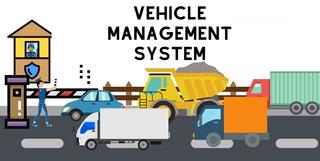
Automating business workflows involves mapping out the entire process, identifying repetitive tasks, and integrating automation and workflow vehicle management systems to handle those tasks. This streamlining allows employees to focus on more strategic and creative aspects of their work.
Enhancing Productivity and Efficiency
By optimizing operations through automation, businesses can achieve higher productivity and efficiency levels. This could result in faster turnaround times, improved customer satisfaction, and better utilization of automatic systems for Home Use
Home Automation Devices and Technologies
Home automation has brought a new level of comfort and convenience to households. Various devices, such as smart thermostats, automated lighting systems, and voice-activated assistants, have become increasingly popular.
Benefits of Home Automation
The benefits of home automation extend beyond convenience. Home automation can lead to:
- Energy Savings: Automated lighting and thermostat systems can help reduce energy consumption.
- Enhanced Security: Home automation can include security features such as smart locks and surveillance cameras, providing peace of mind.
- Remote Access: Homeowners can control various aspects of their homes remotely, even when away.
Security and Privacy Considerations
Data Protection and Encryption
With the increasing reliance on automatic systems, data security is paramount. Implementing robust data protection measures and encryption protocols ensures that sensitive information remains secure.
Preventing Unauthorized Access
Proper access controls and authentication mechanisms are vital to prevent unauthorized users from gaining entry to automated systems, safeguarding against potential threats.
Troubleshooting and Maintenance
Common Issues and Solutions
Despite their efficiency, automatic systems may encounter occasional issues. Knowing how to identify and resolve common problems is essential for seamless operation.
Regular Maintenance Practices
Scheduled maintenance is critical to ensuring the longevity and consistent performance of automated systems. Regular checks and updates will minimize downtime and potential disruptions.
Future of Automatic Systems
Emerging Technologies
The future of automatic systems is promising, with advancements in artificial intelligence, machine learning, and robotics leading to even more sophisticated automation solutions.
Potential Applications
The potential applications of automatic systems are vast and diverse, spanning industries such as healthcare, transportation, and entertainment. These systems will continue to transform the way we live and work.
Conclusion
Automatic systems have undoubtedly become integral to our daily lives. From simplifying business processes to enhancing home comfort, automation brings a multitude of benefits. However, as we embrace automation, it's crucial to strike a balance between technology and human interaction

