
How to Tell If Meat Is Fresh: A Complete Guide for Chicken, Mutton,
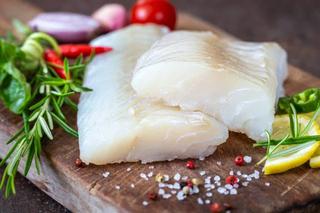
Fresh meat is one of the most important factors in preparing healthy and delicious meals. Whether you're buying chicken for dinner ,beef for steaks, mutton for traditional recipes, or seafood for a special occasion, knowing how to identify fresh meat can protect your health and ensure the best taste.
Many shoppers rely only on color, but freshness depends on several factors including smell, texture, moisture, appearance, packaging, and storage conditions. This guide explains how to identify fresh chicken, beef, mutton, and seafood before making a purchase.
Why Fresh Meat Matters
Fresh meat offers several advantages:
- Better flavor and tenderness
- Higher nutritional value
- Lower risk of foodborne bacteria
- Longer refrigerator shelf life
- Improved cooking results
- Safer for your family
Buying fresh meat also means you're getting better quality protein without unpleasant odors or spoiled textures.
General Signs of Fresh Meat
Regardless of the type of meat, there are several universal indicators of freshness.
1. Check the Smell
Fresh meat should have:
- A clean, mild smell
- Little to no noticeable odor
Avoid meat that smells:
- Sour
- Rotten
- Ammonia-like
- Fishy (except naturally mild seafood aroma)
- Sulfur-like
Strong odors are often the first sign that meat has begun to spoil.
2. Observe the Color
Natural color varies depending on the animal.
Fresh meat should have:
- Bright, natural appearance
- Even coloring
- No unusual dark patches
- No green, gray, or rainbow discoloration
Remember that vacuum-packed meat can appear darker due to reduced oxygen. Once opened, it usually regains its natural color.
3. Feel the Texture
Fresh meat should be:
- Firm
- Slightly moist
- Spring back when pressed
Avoid meat that feels:
- Sticky
- Slimy
- Excessively wet
- Mushy
4. Look at the Surface
Healthy fresh meat has:
- Smooth appearance
- Natural moisture
- No excessive liquid pooling
Too much liquid inside packaging may indicate improper storage or aging.
5. Packaging Condition
If buying packaged meat:
- Packaging should be sealed tightly
- No tears
- No leaks
- No swollen packaging
- Check expiration date
Damaged packaging increases contamination risk.
How to Know if Chicken Is Fresh
Chicken is one of the most commonly consumed meats, but it can spoil quickly if not stored correctly.
Fresh Chicken Color
Fresh chicken usually appears:
- Light pink
- Creamy white
- Slight yellow tint (depending on feed)
Avoid chicken that is:
- Gray
- Green
- Purple
- Dull in appearance
Fresh Chicken Smell
Fresh chicken has:
- Very mild smell
- Almost odorless
Spoiled chicken smells:
- Sour
- Rotten
- Ammonia-like
- Strong and unpleasant
If the smell is obvious immediately after opening, discard it.
Chicken Texture
Fresh chicken should feel:
- Firm
- Slightly moist
Do not buy chicken if it feels:
- Slimy
- Sticky
- Gooey
Skin Quality
Fresh chicken skin should be:
- Tight
- Clean
- Free from excessive bruising
Avoid:
- Torn skin
- Dark spots
- Excessive bruises
How to Know if Beef Is Fresh
Fresh beef has a rich appearance and distinctive texture.
Beef Color
Fresh beef is generally:
- Bright cherry red
- Deep red
Vacuum-packed beef may appear dark purple before exposure to oxygen.
Avoid beef that becomes:
- Gray
- Brown over most surfaces
- Green
- Black
Beef Smell
Fresh beef should have:
- Mild meaty aroma
Spoiled beef often smells:
- Sour
- Rotten
- Sharp
- Ammonia-like
Beef Texture
Fresh beef should:
- Feel firm
- Bounce back after pressing
Avoid beef that is:
- Sticky
- Slimy
- Soft
- Mushy
Fat Appearance
Quality beef fat should be:
- Creamy white
- Slightly ivory
Yellow fat may indicate an older animal, though this is not always a sign of spoilage.
How to Know if Mutton Is Fresh
Fresh mutton has a distinct but pleasant aroma.
Mutton Color
Fresh mutton should be:
- Bright red
- Deep pinkish-red
Avoid mutton with:
- Brown patches
- Gray color
- Green discoloration
Fat Quality
Fresh mutton fat should be:
- White
- Cream-colored
- Firm
Avoid fat that looks:
- Gray
- Sticky
- Slimy
Smell
Fresh mutton has:
- Mild natural aroma
Spoiled mutton smells:
- Sour
- Rotten
- Extremely strong
Texture
Fresh mutton should:
- Feel firm
- Be slightly moist
Do not purchase if it becomes:
- Sticky
- Slimy
- Soft
How to Know if Seafood Is Fresh
Seafood requires extra attention because it spoils much faster than red meat.
Fresh Fish
Eyes
Fresh fish should have:
- Bright eyes
- Clear appearance
- Slight bulge
Avoid fish with:
- Cloudy eyes
- Sunken eyes
Gills
Fresh fish gills are:
- Bright red
- Pink
- Moist
Spoiled fish have:
- Brown gills
- Gray gills
- Dry gills
Skin
Fresh fish skin should:
- Be shiny
- Metallic
- Moist
Avoid:
- Dry skin
- Dull appearance
- Loose scales
Flesh
Press the fish gently.
Fresh fish:
- Springs back immediately
Spoiled fish:
- Leaves fingerprints
- Soft flesh
Smell
Fresh fish should smell:
- Like the ocean
- Clean
- Mild
Spoiled fish smells:
- Strong fishy
- Ammonia-like
- Rotten
Fresh Shrimp and Prawns
Fresh shrimp should have:
- Firm shell
- Mild sea smell
- Transparent body
- No black spots
Avoid shrimp that are:
- Slimy
- Soft
- Strong smelling
- Discolored
Fresh Crab
Fresh crab should have:
- Hard shell
- Clean smell
- Moist meat
- Bright appearance
Avoid crabs with:
- Strong odor
- Soft shell (unless naturally soft-shell varieties)
- Dry meat
- Black discoloration
Fresh Lobster
Fresh lobster should have:
- Firm shell
- Bright color
- Clean ocean smell
Cooked lobster meat should be:
- Firm
- White
- Moist
Avoid lobster with:
- Slimy meat
- Sour smell
- Mushy texture
Frozen Meat vs Fresh Meat
Frozen meat is safe if handled properly.
Choose frozen meat that has:
- No excessive ice crystals
- Tight packaging
- No freezer burn
- Consistent color
Avoid packages with:
- Large ice buildup
- Torn packaging
- Frost covering the entire product
Safe Storage Tips
Proper storage helps maintain freshness.
Refrigeration
- Chicken: 1–2 days
- Seafood: 1–2 days
- Beef: 3–5 days
- Mutton: 3–5 days
Store meat below 4°C (40°F).
Freezing
For longer storage:
- Wrap meat tightly
- Remove excess air
- Label with freezing date
- Maintain −18°C (0°F) or below
Questions to Ask Your Butcher
A trusted butcher should be able to answer:
- When was the meat processed?
- Is the meat fresh or previously frozen?
- How has it been stored?
- Is this locally sourced?
- What cut is best for my recipe?
Transparent sellers are usually more reliable.
Common Mistakes When Buying Meat
Avoid these common errors:
- Buying based only on color
- Ignoring unusual smells
- Purchasing damaged packaging
- Leaving meat unrefrigerated for long periods
- Refreezing thawed meat repeatedly
- Not checking expiration or packing dates
Tips for Buying Fresh Meat
- Buy from reputable meat shops.
- Choose stores with proper refrigeration.
- Inspect the meat before purchasing.
- Avoid meat sitting at room temperature.
- Carry meat home in an insulated bag if travel time is long.
- Refrigerate or freeze it promptly after purchase.
Final Thoughts
Recognizing fresh meat is easier when you know what to look for. A clean smell, firm texture, natural color, and proper packaging are the key signs of quality across chicken, beef, mutton, and seafood. Taking a few extra moments to inspect meat before buying can help you avoid spoilage, improve the flavor of your meals, and reduce the risk of foodborne illness.
Whether you're preparing grilled chicken, slow-cooked mutton, premium beef steaks, or fresh seafood dishes, choosing high-quality meat is the foundation of safe, healthy, and delicious cooking.


