
Chinese Head Spa vs. Regular Head Spa
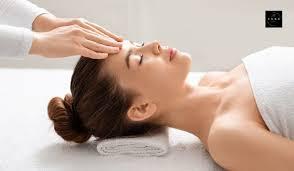
In the world of wellness and beauty, head spas have emerged as popular retreats for relaxation and rejuvenation. Among the various styles available, the Chinese head spa stands out with its unique techniques and philosophies, contrasting sharply with more conventional head spa experiences. This article will explore the key differences between a Chinese head spa and a regular head spa, shedding light on their benefits and what you can expect from each.
What is a Chinese Head Spa?
A Chinese head spa, often referred to as "scalp therapy" or "head massage," is deeply rooted in Traditional Chinese Medicine (TCM). This practice views the body as an interconnected system, where physical health and mental well-being are inextricably linked. The primary goal of a Chinese head spa is to enhance overall health by promoting balance within the body’s energy, known as "Qi" (pronounced "chee").
During a Chinese head spa session, clients undergo a comprehensive treatment that includes a combination of techniques such as acupressure, meridian tapping, and herbal applications. The process often starts with a thorough consultation to understand the client’s health history and specific concerns. After this, the therapist will use a variety of techniques to stimulate acupressure points on the scalp and neck, which are believed to influence various bodily functions.
What is a Regular Head Spa?
In contrast, a regular head spa is a broader term that encompasses a variety of treatments available at spas and salons. These treatments can vary widely depending on the establishment and the specific services offered. While a regular head spa often includes scalp massages, deep conditioning, and hair treatments, the focus may primarily be on cosmetic results rather than holistic health.
Regular head spas typically aim to address immediate hair care needs and provide relaxation through massage. The experience can vary greatly, with some spas offering luxurious environments and treatments while others may focus on efficiency and quick results.
Key Differences
Techniques and Philosophy
One of the most notable differences between the two lies in their underlying philosophies and techniques. The Chinese head spa is steeped in the principles of TCM, emphasizing the balance of Qi and the connection between physical and mental health. Practitioners are often trained in various TCM techniques, allowing them to provide a treatment that is both therapeutic and relaxing.
Regular head spas, however, often take a more Western approach, focusing on immediate hair and scalp health. While they may include massage techniques, the emphasis is generally on cosmetic outcomes rather than holistic wellness. The techniques used may not be as specialized or rooted in a deep understanding of the body’s energy systems.
Duration and Experience
Typically, a Chinese head spa treatment lasts longer than a regular head spa session. A Chinese head spa can last anywhere from 60 to 90 minutes, allowing for a thorough exploration of the scalp, neck, and shoulders. This extended duration encourages clients to relax deeply and enjoy the therapeutic benefits of the treatment.
Conversely, regular head spa sessions are often shorter, ranging from 30 to 60 minutes. While these treatments can still provide relaxation and relief, the shorter timeframe may limit the depth of the experience.
Products and Ingredients
The products used in Chinese head spas often include natural and herbal ingredients that align with TCM principles. Oils infused with herbs like ginseng, ginger, and other botanicals may be used to enhance the benefits of the treatment. This focus on natural ingredients reflects a commitment to health and wellness.
In contrast, regular head spas may utilize a wider variety of commercial hair products, some of which could contain synthetic ingredients. While many spas prioritize quality, the product selection can vary significantly, impacting the overall experience and benefits of the treatment.
Benefits of Each Treatment
Benefits of a Chinese Head Spa
1. Holistic Wellness: The emphasis on Qi and the interconnectedness of body and mind promotes overall health and well-being. Clients often report feeling more balanced and energized after their sessions.
2. Improved Scalp Health: The acupressure techniques used in Chinese head spa can stimulate blood circulation to the scalp, promoting healthier hair growth and reducing issues such as dandruff.
3. Stress Relief: The combination of massage and the calming environment can significantly reduce stress and anxiety levels, leading to a more relaxed state of mind.
4. Pain Relief: Clients often experience relief from tension headaches and neck pain due to the targeted pressure applied during the treatment.
Benefits of a Regular Head Spa
1. Quick and Convenient: Regular head spas often offer shorter treatments that fit easily into a busy schedule, making them accessible for those seeking a quick escape.
2. Variety of Services: Clients can choose from a range of treatments tailored to their specific hair care needs, including deep conditioning, scalp treatments, and styling.
3. Immediate Results: Regular head spas often focus on cosmetic results, allowing clients to leave with beautifully styled hair and an immediate sense of refreshment.
4. Affordable Options: Many regular head spas offer budget-friendly packages, making relaxation and hair care accessible to a wider audience.
Conclusion
Both Chinese head spas and regular head spas offer unique experiences, each catering to different needs and preferences. If you seek a holistic approach that promotes overall health and well-being while addressing scalp and hair health, the Chinese head spa may be the ideal choice. However, if you’re looking for a quick, cosmetic-focused treatment to enhance your hair's appearance, a regular head spa might be more suitable.
Ultimately, the best choice depends on your personal wellness goals and how you wish to experience relaxation. Whether you opt for the deeply therapeutic experience of a Chinese head spa or the more conventional approach of a regular head spa, both can provide a delightful escape from the stresses of everyday life.


