
Successful Management of Grape Phylloxera in Organic Vineyards
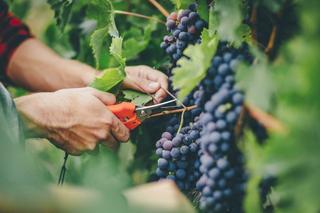
Grape phylloxera is a small-sized but very dangerous pest, which has been a problem for the owners of vines all around the word for a long time. This very small bug lives on grapevine’s root and results into stunted plants and in extreme cases, no crop at all. Regulation of grape phylloxera is however not easy in organic viticulture when the synthetic pesticides that would otherwise help in the eradication cannot be administered. Of course this is a recurrent problem to farmers and their produce but much improved and effective Bio-control methods are being sought after.
For better and more effective management of Grape Phylloxera, the following factors have to be understood,
Grape phylloxera is an insect-like pest, which is in the same family as aphid that parasitizes the roots of grapevines, especially the traditional European rootstock preferred by growers. These insects feed on the roots and make them swell; in a way this hampers the functioning of the plant because it cannot absorb both water and nutrients that are required. In the long run, it impacts the strength of the vine and therefore its development and production potential. The cited grub can cause massive infestations that lead to vine death, making it a real menace to vineyard output.
In the past farmers used chemical control methods to combat phylloxera, however in the case of organic wines this cannot be done. Thankfully, there has been continuing progress in biological control grape phylloxera strategies and thus presented organic farmers with viable options.
Biological Control: Most of the existing literature analyzed here has focused on the future of phylloxera management, especially after a devastating outbreak such as the current one in the Southwest United States.
Biological control concerns the employment of natural enemies such as predators, diseases or other species to manage pests. In the case of grape phylloxera, the most promising potential biological control organism is Beauveria bassiana which is a fungus that is pathogenic to insects. When the Beauveria bassiana is applied on the affected area, the fungi enter the body of the phylloxera and kill it, thus saving the vine roots from further devastation.
Its use is suggested in what can be considered as a recommended practice which can be implemented hand in hand with the principles of organic farming practices. It is used as a biological control insecticide where the insecticide affects only the pest and not the environment, other harmless insects, and therefore an ideal pest control solution to managing pests in vineyards for owners practicing organic farming.
How Beauveria bassiana Works
In the phylloxera control program, Beauveria Wettable Powder is broadcasted on the ground and the fungus gets in touch with the phylloxera. It germinates and enters the external body of the pest and causes a hole to be made on this outer shell which leads to the death of the pest. It secretes chemicals that ultimately lead to the death of the affected pests and also guarantees constant production of the mature phylloxera fungus, thus leading to yes for gradual control without replenishment of the chemical.
Biological control as underlying component of sustainable agricultural practices
Here are some of the sustainable practices that vineyard managers embarked on to enhance the efficacy of biological control; For example, there is diversification where we can plant other crops in between the vine rows since the pests go for the vines; the predators such as birds, ground beetles and spiders that are attracted to the other crops feed on phylloxera and other pests. Soil analysis that is done at a regular interval makes it possible to see first signs of phylloxera and this enables the use of biological methods to act decisively.
Incorporation of the above mentioned cultural practices with bio-control insecticides like B.bassiana enables the development of a more effective, environment friendly pest control system. This integrated method does not only control phylloxera but also tends the vineyard overall so the structure of the soil is enhanced and much lesser external inputs are needed.
Case Study: Organic vineyards in California
As for the organic agricultural practices, grape phylloxera is a persistent concern in north California’s wine region Napa Valley. As a result, an increasing number of vineyard owners have recognized the potential in biological control grape phylloxera solutions. Organic management strategy of the current vineyard practices for pest control included Beauveria bassiana, soil organic amendments, and cover crop.
The results were impressive: well within a span of several seasons, population density of phylloxera reduced drastically together with manifestation of sound vigour in the vine and enhanced yield. It illustrates the successful use of biological control together with the organic farming practices, thus providing clear evidence that phylloxera pests can be dealt with without resorting to synthetic chemicals.
Conclusion: A Sustainable Path Forward
From grape phylloxera, organic vineyard ownerscape do not share their experience as a fruitless fight. By using biological control insecticides such as Beauveria bassiana and adopting sustainable farming methods, it is possible to safeguard vines from this destructive pest without compromising the values of having an organic farm. Through these solutions, vineyard managers can protect the produced shrubs and join the initiatives in organic and ecological farming.


