
5 Tips to Help You Secure Fresh Flowers for a Large-Scale Event
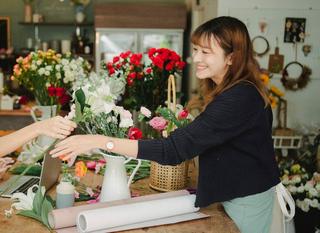
Large events often rely on coordinated floral supply. Yet, the exact steps to make that happen can vary with timing, season, and location, which means planning must stay practical and flexible. You might find that availability shifts quickly, while quality depends on handling, so that preparation could focus on simple controls and clear requests. With basic organization, straightforward paperwork, and steady communication, the process may become more predictable. The guidance below remains plain and usable.
Begin Scheduling Early
Starting the process well in advance usually creates choices that match your preferred look, because suppliers may need notice to confirm quantities, and you may need time to approve substitutions that still fit the plan. A dated outline that shows inquiry windows, sample checks, and confirmation points often keeps tasks aligned. You could list must-have varieties beside acceptable alternatives, which reduces hesitation when changes appear. It helps to allocate time for simple vase-life checks and conditioning trials, since these small tests might reveal which, items behave reliably. Requests for temporary delivery, Windows, and packing details can be acquired in advance to understand how the stems will be transported and delivered. Getting organized early helps reduce last-minute stress and the probability of rash judgments that lead to inconsistency.
Match Deliveries with Venue Limits
Coordinating drop-offs with staffing and workspace prevents pileups and minimizes unnecessary waiting that could affect conditions. You might secure a delivery window that reflects traffic patterns, receiving access, and cooler availability, while noting who will count, who will inspect, and who will route stems to hydration. Storage areas should be clean, safe, and prepared with buckets, sharp tools, and labeled zones, because scattered setups often slow the work. It is useful to confirm the venue’s loading rules, elevator use, and staging constraints, which often shape the schedule more than expected. A brief checklist for arrival, conditioning, and holding times can keep temporary teams aligned. When shipments are split by variety or day, a simple labeling system usually avoids confusion and supports faster placement.
Favor Local Businesses
Shorter transport routes often reduce temperature swings and handling risks, so looking to nearby markets or regional growers may help maintain conditions. You could ask about turnover rates, cooler settings, and packing methods, since these details indicate how the supply is managed before it reaches you. Vendors with experience in your climate may suggest workable substitutes when certain items fluctuate, which keeps the overall palette consistent. Communication tends to improve when repeat orders are placed, and simple status updates on what is confirmed and what is pending usually prevent misalignment. Not every item will be local, yet having a primary regional source plus a secondary fallback often stabilizes the plan. Clear notes on minimum acceptable grades or stem lengths further reduce guesswork during fulfillment.
Compare Offers Carefully
Looking at multiple quotes reveals differences in grading, packaging, and lead times, which might influence freshness more than headline pricing. An itemized request that lists varieties, stem counts, bunch sizes, and delivery timing helps vendors respond precisely and lets you compare consistently. After an initial review, you could prioritize critical items and mark flexible ones to speed decisions if inventory shifts. For example, fresh flowers wholesalers can consolidate large orders and advise on handling methods that protect the condition during transit. It is helpful to request sample photos or small test bunches when possible, since these checks often clarify expectations. Final confirmations should restate totals, windows, and substitution rules, so all parties work from the same record without uncertainty.
Use Checklists
Written instructions reduce misinterpretation when multiple people handle receiving and conditioning. A one-page guide that shows a variety of names, preferred grades, water preparation, re-cut timing, and holding temperatures sets a consistent routine. You might include simple swatches or reference images that illustrate tone and size targets, even if approximate, because visual cues often speed sorting. A receiving log with fields for counts, quality notes, and approvals ensures accountability, and a substitution rule with pre-cleared alternates avoids long pauses. Keeping tools organized and labeled helps temporary staff work effectively. After the event, a short recap that lists what arrived, what changed, and what performed well can inform the next order and gradually improve the process without complex systems.
Conclusion
Supplying flowers at scale benefits from early requests, aligned delivery windows, nearby sources, careful comparisons, and clear paperwork that supports simple execution. While conditions may shift due to season and transport, a plain structure for ordering, receiving, and conditioning often reduces preventable issues. By documenting specifications and assigning straightforward responsibilities, you could keep workflows steady and quality consistent, which supports reliable displays across the full timeline of preparations.


