
Top 7 Fire Protection Systems for Rack Storage Facilities
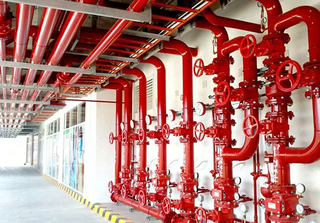
Rack storage warehouses present unique fire safety challenges due to their high ceilings, stacked inventory, and narrow aisles. Preventing fires in these complex environments requires a combination of detection, suppression, and containment systems built to handle high fuel loads and vertical exposure. Implementing the right Fire Protection Systems ensures your facility remains compliant, efficient, and most importantly—safe for workers and property.
Why Is Fire Protection Critical for Rack Storage Facilities?
Fires in rack storage environments can spread rapidly through stored materials such as cardboard, plastics, or flammable liquids. Even a small ignition can lead to widespread damage and costly downtime. Effective Rack Storage Fire Protection solutions mitigate this risk by detecting fires early and suppressing them before they reach critical size, minimizing losses and ensuring emergency control remains manageable.
How Should Warehouses Choose the Right Fire Protection Systems?
Selecting the most suitable protection for your warehouse depends on several variables, including rack height, storage configuration, material type, and local code requirements. Facilities should work with certified fire engineers who can design and install systems tailored to their exact needs. Strategic solutions also improve insurance compliance and long-term operational safety.
1. In-Rack Sprinkler Systems
In-rack sprinkler systems are among the most effective approaches for fire control in high-piled storage areas. Installed directly inside racks, these systems discharge water precisely where fires start, limiting spread between tiers. Their targeted design allows early suppression, protecting both inventory and structural components.
2. Ceiling-Mounted Sprinkler Networks
Ceiling sprinklers work in tandem with in-rack systems or as stand-alone protection for lower-density storage facilities. These networks activate when heat rises, distributing water uniformly throughout the storage space. They are commonly integrated into broader Warehouse Fire Suppression designs for efficient flame control in large open areas.
3. Early Detection Smoke and Heat Sensors
Rapid detection is crucial in vertical storage racks where smoke can accumulate quickly. Advanced sensors identify fire signatures early—often before visible smoke forms—providing critical response time. When connected to alarm systems, they ensure immediate activation of suppression equipment and allow safe evacuation.
4. Automatic Fire Suppression Agents
In addition to water-based systems, gaseous or foam-based Fire Suppression Systems for Warehouses can be deployed where sensitive goods or electronics are stored. These systems quickly displace oxygen or smother flames without damaging stored materials, making them ideal for specialized items or climate-controlled inventory sections.
5. Fire Barriers and Compartmentalization
Physical partitions within storage areas limit flame movement between aisles and prevent total inventory loss. By dividing racks into isolated zones, fire barriers improve containment and allow firefighters to focus on specific sections. This structural defense complements active suppression for comprehensive fire safety in storage racks.
6. High-Bay Sprinkler and Detection Solutions
Facilities storing products above 40 feet require specialized coverage due to heat stratification at higher elevations. Advanced detection arrays combined with elevated sprinklers deliver targeted control for vertical fires, offering enhanced Fire Protection for High-Bay Storage operations where standard systems may fall short.
7. Integrated Monitoring and Alarm Systems
Modern control panels integrate alarms, sensors, and sprinkler operations under one connected interface. These smart networks provide real-time monitoring, data collection, and automatic alerts—empowering facility teams to respond instantly and preventing minor hazards from escalating.
Conclusion
Professional fire planning and system integration are essential for safeguarding rack storage warehouses. By combining detection, suppression, isolation, and monitoring tools, facilities can significantly reduce potential damage and maintain regulatory compliance. Investing in customized fire systems not only protects valuable inventory but also enhances safety culture across warehouse operations.
FAQs
Q1: Why are in-rack sprinklers preferred in tall storage facilities?
They target the ignition source directly within racks, preventing upward flame spread and reducing water waste.
Q2: How often should fire protection systems in warehouses be inspected?
Regular inspections—typically every six months—are necessary to verify proper function and compliance with safety codes.
Q3: Are foam or gas suppression systems better than water systems?
Neither is strictly better; the choice depends on stored materials, with water ideal for general goods and gas or foam better for sensitive inventory.
Q4: Can rack modifications affect fire system performance?
Yes. Any changes to rack design or height can impact sprinkler coverage and should be reviewed by fire engineers.
Q5: What’s the biggest advantage of an integrated fire monitoring system?
It offers real-time alerts and remote control, allowing quick response and reduced downtime after an incident.


