
The Importance of Regularly Replacing Your RPWFE Water Filter
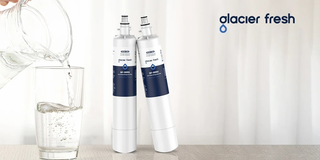
When it comes to maintaining the quality of the water in your home, one of the most important steps you can take is to ensure that your refrigerator’s water filter is replaced regularly. Water filters, like the rpwfe water filter are integral in ensuring that your drinking water is free from harmful contaminants. If you fail to replace the filter when needed, it can lead to diminished water quality, health risks, and a less effective filtration system.
The RPWFE water filter is specifically designed for GE refrigerators, offering high-efficiency filtration that helps remove a wide range of contaminants, including chlorine, lead, mercury, and pharmaceuticals. However, just like any other filter, it needs to be replaced periodically in order to continue performing at its best. In this article, we will discuss the importance of regularly replacing your RPWFE water filter, how often to replace it, and the impact of neglecting this important task.
Understanding the Role of the RPWFE Water Filter
Before we dive into the reasons why regular filter replacement is important, it’s helpful to first understand what the RPWFE water filter does and how it works. The RPWFE filter is a carbon-based filtration system designed to remove a variety of contaminants from your water, making it cleaner, safer, and better tasting.
Here are some of the common contaminants that the RPWFE filter can effectively remove:
Chlorine: Used in municipal water treatment to kill bacteria, chlorine can leave an unpleasant taste and odor in drinking water.
Lead: A toxic heavy metal that can leach into water from old plumbing pipes, lead is harmful, especially for young children and pregnant women.
Mercury: This toxic metal can accumulate in water supplies from industrial waste and agricultural runoff.
Pesticides and Pharmaceuticals: The RPWFE filter is capable of reducing harmful chemicals like pesticides and pharmaceutical traces that may be found in water.
Sediment: Small particles like dirt and sand that can cause water to appear cloudy and affect taste.
By filtering out these harmful contaminants, the RPWFE filter ensures that your drinking water is safe for consumption and free from undesirable tastes and odors. However, just as important as knowing what the filter does is understanding the need for regular maintenance.
Why Regularly Replacing the RPWFE Filter Is Crucial
There are several reasons why it’s crucial to replace the RPWFE water filter regularly. Here are the main points to consider:
1. Ensuring Effective Filtration
As the RPWFE filter works, it gradually becomes saturated with contaminants. Over time, the filter becomes less effective at trapping these harmful substances, which can result in lower water quality. When a filter is not replaced, it might release contaminants back into the water instead of filtering them out, leading to potential health risks.
For instance, if the filter is overloaded with chlorine, the unpleasant taste and odor of chlorine may return. If lead is present in the filter and isn’t removed effectively, it could end up in your drinking water. In this case, you’re not benefiting from the filter’s protective capabilities and may even be consuming harmful substances.
2. Maintaining Healthy Water Quality
Even if the RPWFE filter does not show visible signs of wear or damage, it still needs to be replaced after its recommended usage period. The filter’s capacity to remove contaminants gradually decreases as it captures impurities, and once the filter has reached its lifespan, it’s no longer able to maintain the same level of purification.
By replacing your RPWFE filter regularly, you maintain the highest quality water possible, ensuring it’s safe and healthy for drinking, cooking, and making ice. If you notice any changes in water taste, color, or flow rate, this could be an indication that it’s time for a replacement.
3. Preventing Bacterial Growth
Water filters that are not replaced on time can become breeding grounds for bacteria and mold. When contaminants are trapped in the filter, they create a moist environment that can encourage the growth of microorganisms. Over time, this buildup can cause foul odors or even make your water unsafe to drink.
The RPWFE filter is designed to handle contaminants, but if it’s not replaced regularly, it can harbor bacteria that can be harmful to your health. Mold and bacteria can grow on the surface of the filter, affecting the taste and cleanliness of the water you consume.
By ensuring that the filter is replaced according to the manufacturer’s recommendations, you can prevent this issue and maintain the cleanliness and safety of your water.
4. Improving Water Flow and Efficiency
A filter that is clogged with contaminants will significantly reduce the flow of water through your refrigerator’s water dispenser and ice maker. If your water dispenser is slow or you notice a drop in ice production, it’s a sign that the filter is no longer functioning optimally. This reduced flow can cause inconvenience and frustration, as you’ll be waiting longer for water and ice to be dispensed.
Replacing the filter when it’s due ensures that the water flows smoothly and that the filter continues to do its job efficiently. A clogged or old filter can place additional strain on your refrigerator’s water system, causing it to work harder and possibly leading to other mechanical issues over time.
5. Avoiding Unpleasant Tastes and Smells
One of the most noticeable signs that your RPWFE water filter needs replacing is a change in the taste or odor of the water. A working filter should remove any unpleasant tastes caused by chlorine or other contaminants. If the filter is no longer effective, you may notice a musty, metallic, or chemical taste or smell in your water.
By replacing the filter regularly, you can avoid these unpleasant issues and continue to enjoy fresh, clean water. If you’ve noticed any unusual tastes or smells coming from your water, it’s likely time to replace the filter.
6. Maximizing the Lifespan of Your Refrigerator
Maintaining a properly functioning water filter doesn’t just benefit your water quality—it also helps to prolong the lifespan of your refrigerator. A clogged filter can cause your fridge’s water and ice-making systems to work harder, which could result in premature wear and tear. Over time, this added strain can lead to costly repairs and even a reduced overall lifespan for your appliance.
By replacing the filter at the appropriate intervals, you help ensure that your refrigerator’s water system continues to operate efficiently, which can save you money in the long run by avoiding repairs or replacements.
How Often Should You Replace Your RPWFE Water Filter?
The general recommendation for replacing the RPWFE water filter is every six months or after filtering 300 gallons of water, whichever comes first. This is based on typical water usage in an average household. However, if you use more water or have a large family, you may need to replace the filter more frequently.
It’s essential to keep track of the time since your last filter replacement. Many GE refrigerators have a filter replacement indicator light that will notify you when it’s time to replace the filter. However, you should still rely on the recommended replacement schedule and monitor the water flow and quality for any signs of deterioration.
Signs It’s Time to Replace the RPWFE Filter
While the six-month schedule is a good rule of thumb, here are some specific signs that may indicate it’s time to replace your RPWFE water filter:
Slow Water Flow: If the water dispenser is slower than usual, it could indicate that the filter is clogged and needs to be replaced.
Odd Water Taste or Odor: If the water tastes strange, metallic, or has a strong chemical odor, it’s a sign that the filter is no longer effective.
Visible Contaminants: If you notice particles floating in your water or see cloudy water, it’s likely time to replace the filter.
Ice Quality: If your ice has a bad taste or the production rate decreases, the filter could be to blame.
How to Replace Your RPWFE Water Filter
Replacing the RPWFE water filter is a simple process that typically involves the following steps:
Locate the Filter: Depending on your refrigerator model, the filter may be located in the base grille or inside the fresh food compartment. Refer to your refrigerator’s user manual if you’re unsure of the location.
Remove the Old Filter: Twist the old filter counterclockwise to remove it. Some models have a release button that needs to be pressed before removing the filter.
Install the New Filter: Take your new RPWFE filter and insert it into the filter compartment. Twist it clockwise to secure it in place.
Flush the New Filter: Run water through the dispenser for several minutes to flush out any air or debris from the new filter.
Reset the Indicator Light (If Applicable): If your refrigerator has a filter replacement indicator light, follow the instructions in your manual to reset it.
Conclusion
Regularly replacing your ge rpwfe water filter replacement is essential for ensuring that you continue to enjoy clean, fresh, and safe drinking water. A well-maintained filter removes harmful contaminants, prevents bacteria and mold growth, and keeps your water flowing smoothly. By following the recommended replacement schedule and paying attention to any signs of deterioration, you can ensure that your refrigerator’s filtration system continues to work effectively.
In addition to maintaining water quality, replacing the filter on time also helps to preserve the efficiency of your refrigerator and avoid unnecessary repairs. Make it a habit to check your filter regularly and replace it when needed to ensure that your family always has access to the best possible water. Regular filter replacement may seem like a small task, but its impact on your health, comfort, and appliance longevity is significant.


