
Childhood Trauma: The Silent Wound That Never Forgets
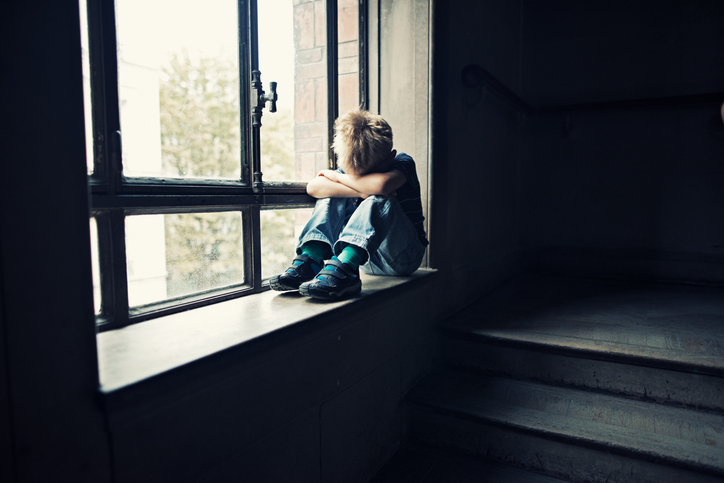
Every child deserves a safe environment to grow, play, and dream. Childhood should be filled with laughter, warmth, and love. But for many children, reality is far from this ideal. Instead of feeling protected and supported, they experience fear, abandonment, and harm. This experience is known as Childhood trauma , and it leaves deep emotional scars that can last a lifetime. Though these scars are often invisible, they influence how a person sees themselves, others, and the world around them
What Is Childhood Trauma
Childhood trauma refers to serious adverse events that happen in a child’s life and disturb their sense of safety and stability. These experiences can include physical abuse, sexual abuse, emotional abuse, or neglect. However, trauma is not always caused by direct violence. It can also result from witnessing domestic abuse, growing up in a household with addiction or mental illness, or losing a parent to death or separation
Sometimes, trauma comes from situations that adults may not view as dangerous, but for a child, the experience can be deeply disturbing. A traumatic event does not have to be repeated or extreme to be harmful. The key is how the child perceives it and how much support they receive during and after the event
The Brain’s Response to Trauma
The human brain is highly adaptable, especially during childhood. When a child faces danger, their brain activates stress responses to help them survive. This might include increased heart rate, rapid breathing, and a flood of stress hormones like cortisol. In the short term, these changes can help a child cope. But when trauma is ongoing or unresolved, the brain remains in survival mode
Over time, this constant state of alert can interfere with normal brain development. The parts of the brain responsible for learning, memory, emotion, and self-regulation can become disrupted. This is why many children with trauma struggle in school, have emotional outbursts, or find it hard to trust others. These are not signs of bad behavior but signs of a brain that is overwhelmed and unable to function normally
Emotional Effects That Linger Into Adulthood
The pain of childhood trauma doesn’t end when childhood does. In many cases, the emotional wounds continue into adulthood and influence how individuals think, feel, and relate to others. Many trauma survivors carry deep feelings of shame, guilt, or self-blame. They may struggle with low self-esteem or develop a negative self-image based on how they were treated as children
An adult who experienced trauma as a child may have difficulty regulating emotions. They may experience intense anxiety, depression, or frequent mood swings. Others may numb their emotions completely, finding it hard to feel joy, sadness, or love. These emotional challenges often lead to difficulties in forming and maintaining healthy relationships
Trust issues are very common. A child who was betrayed or hurt by caregivers may grow into an adult who finds it hard to believe anyone has good intentions. They may fear intimacy or abandon relationships before getting too close. Even in safe situations, trauma survivors may always expect something to go wrong because that is what they learned early in life
Trauma and the Body
The mind and body are deeply connected, and trauma affects both. Childhood trauma has been linked to a wide range of physical health problems. Chronic stress from early trauma can weaken the immune system, raise blood pressure, and lead to long-term inflammation. As a result, trauma survivors may have a higher risk of heart disease, diabetes, chronic pain, and autoimmune disorders
Sleep problems are another common issue. Many people with trauma struggle with insomnia, nightmares, or disrupted sleep patterns. This lack of rest only worsens emotional problems and can create a cycle of exhaustion and mental distress
Substance abuse is also more likely among trauma survivors. Some turn to alcohol, drugs, or food as a way to cope with overwhelming emotions or painful memories. These habits offer temporary relief but often lead to further problems and deeper emotional suffering
The Impact on Learning and Social Development
Children who experience trauma often face challenges in educational settings. They may have trouble focusing, following instructions, or interacting with classmates. Their behavior might be misinterpreted as defiant, lazy, or inattentive when in reality it is a response to emotional distress
These children are not choosing to misbehave. Their brains are doing everything possible to protect them from danger. Unfortunately, without proper support, they can fall behind in school or be disciplined in ways that reinforce their belief that they are bad or unworthy
Socially, trauma can make it difficult for children to connect with peers. They may feel different or isolated, unsure how to relate to others. If they have learned that adults are not safe, they may avoid teachers or other authority figures. This lack of connection can lead to loneliness and further emotional harm
Breaking the Cycle of Trauma
Although childhood trauma leaves lasting marks, healing is possible. Recovery starts with awareness and compassion. Recognizing that trauma is not a personal weakness but a natural response to overwhelming experiences is the first step toward healing
Therapy can be incredibly helpful for trauma survivors. Speaking with a trained therapist provides a safe space to explore painful memories and learn healthier ways of thinking and coping. Some therapies are designed specifically for trauma, such as trauma-focused cognitive behavioral therapy or EMDR. These approaches help reprocess painful memories and reduce the emotional charge they carry
Supportive relationships are also key to recovery. Whether it’s a friend, partner, teacher, or counselor, having someone who listens and believes you can be deeply healing. Trust is rebuilt through kindness, patience, and consistency
Healing is not a straight line. It takes time and involves setbacks and breakthroughs. But with the right tools and support, people can learn to feel safe, build confidence, and create new patterns that are no longer defined by fear
Helping Children Heal
For children currently experiencing trauma, early intervention can make a world of difference. Adults need to pay attention to the signs of trauma and respond with compassion, not punishment. Changes in behavior, mood swings, regression, or unexplained fears can all point to deeper struggles
Children need to feel heard and believed. They need consistent routines, emotional safety, and adults who respond with patience rather than anger. Counseling or play therapy can help children express their feelings in ways that are appropriate for their age and development
Schools can also play an important role by creating trauma-sensitive environments. This means training teachers to understand trauma, adjusting discipline policies to be more supportive, and providing access to mental health services. When schools become places of safety rather than stress, children have a better chance to recover and thrive
The Role of Society in Healing Trauma
Addressing childhood trauma is not only a personal responsibility but a social one. Communities, governments, and institutions must recognize the long-term effects of trauma and invest in programs that prevent abuse and support recovery
This includes funding mental health services, supporting families in crisis, and ensuring that professionals working with children are trained in trauma awareness. Public awareness campaigns can also help reduce the stigma around trauma and encourage people to seek help
When society values the emotional well-being of children, it creates a future that is more compassionate, healthy, and connected. Preventing trauma and promoting healing should be part of every policy and every community initiative
Conclusion
Childhood trauma is one of the most profound experiences a person can endure. Its effects ripple through every part of life, from physical health and mental stability to relationships and career success. But trauma does not have to define a person’s entire life
With understanding, support, and the right resources, healing is possible. Survivors can reclaim their sense of worth, rebuild trust, and move beyond the pain of the past. The journey may be long and difficult, but it is one of the most courageous and important paths a person can take
Every child deserves to be protected. And every adult who carries the wounds of childhood trauma deserves to be healed. By listening, believing, and supporting one another, we can create a world where trauma is no longer hidden in silence but met with hope and healing


