
The Future of Health Coaching: Tech Capabilities That Will Define the
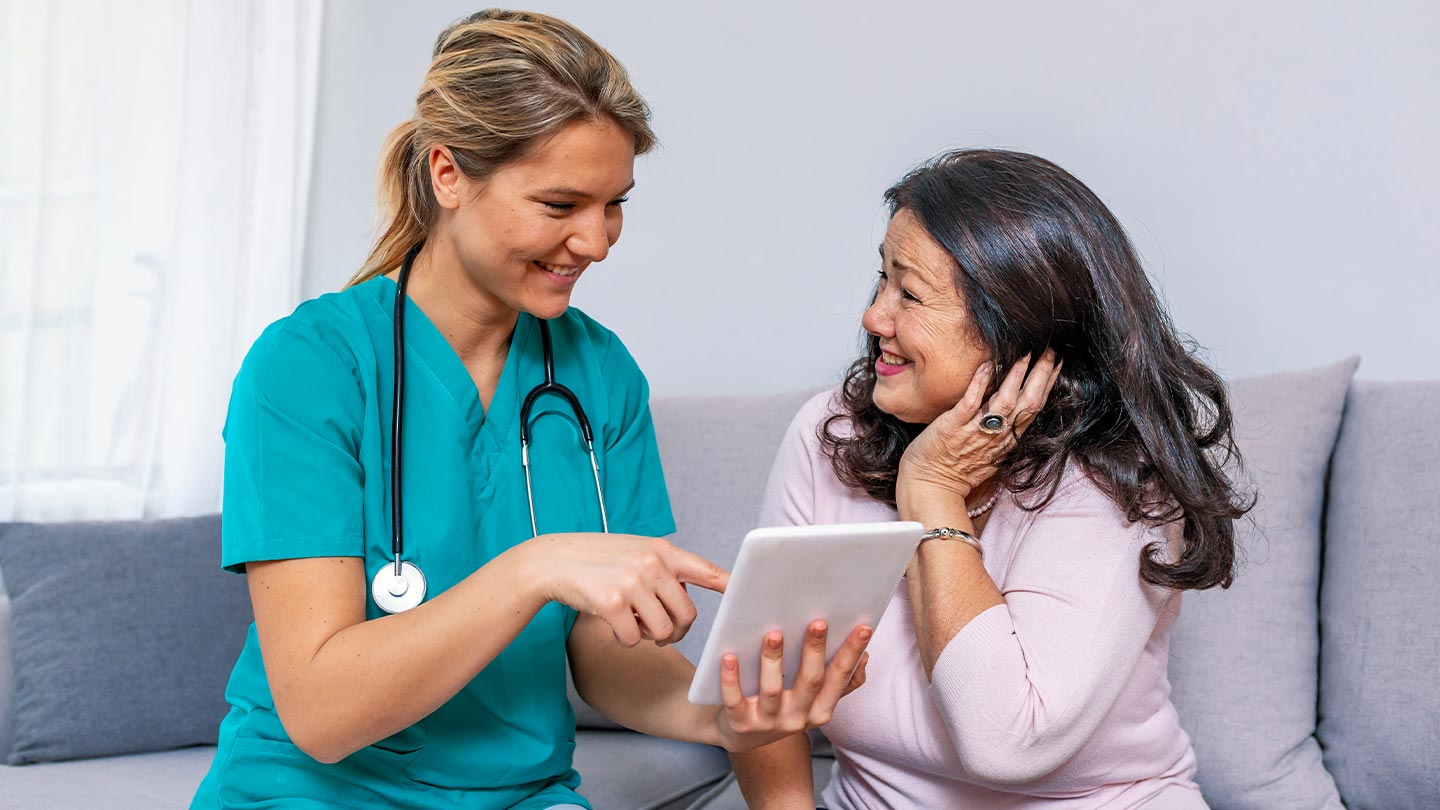
The next decade promises a revolution in health coaching.
What was once a practice rooted primarily in human connection and behavioral guidance is rapidly evolving into a technology-powered, data-driven experience.
AI-driven personalization, wearable integrations, real-time monitoring, and secure, interoperable platforms are transforming how clients achieve their health goals.
The global digital health coaching market was valued at about $11.0 billion in 2024 and is projected to grow to around $28.4 billion by 2032, with a compound annual growth rate (CAGR) of about 12.56% over that period driven by AI adoption, mobile platforms, and rising demand for preventive care.
The future of coaching will be smarter, measurable, and more accessible and at the center of this transformation lies the best health coaching platform, capable of delivering tailored guidance, actionable insights, and outcomes that truly make a difference.
Let’s explore the key technological capabilities that will define the evolution of health coaching over the next ten years.
Personalization Engines: AI & Predictive Behavior Models
In the coming decade, personalization will no longer be a “nice‑to‑have” feature, it will be fundamental.
AI‑driven systems will do more than suggest generic health tips; they’ll analyze patterns in user behavior, real‑time data from devices, and historical health records to craft dynamically evolving, individualized coaching plans.
AI‑Driven Tailoring
Artificial intelligence will continually refine coaching recommendations based on what works and what doesn’t for each individual.
By analyzing data such as activity levels, sleep patterns, stress markers, and even meal logs, AI can deliver advice that feels uniquely tailored.
Predictive Risk Scoring
Instead of waiting for problems to arise, future tools will identify early warning signs of health setbacks (e.g., rising stress, sedentary trends, or abnormal vitals) and proactively adjust coaching strategies, offering timely nudges that reduce risk.
Continuous Learning Systems
With every client interaction, algorithms will get smarter.
The most advanced platforms will build adaptive behavior models that learn across populations, improving accuracy and personalization for everyone enrolled.
The result?
Clients will experience a level of customization previously available only in boutique coaching, a powerful differentiator when choosing the best health coaching platform.
Device Ecosystems&Remote Monitoring
Modern health coaching is increasingly data‑driven, thanks to smart wearables and connected sensors that continuously collect key health indicators.
Over the next decade, these ecosystems will become even more central.
Types of Data
Coaches will have access to streams of biometric data from heart rate and glucose levels to sleep quality and activity duration.
Real‑time insights will let coaches pivot strategies quickly and substantively.
Clinical Validation & Device Choice
Not all data is created equal.
Platforms that integrate clinically validated sensors rather than consumer gimmicks will provide stronger, more actionable insights that clinicians and payers trust.
Passive vs. Active Collection
Minimizing user burden will be key.
Passive data collection (e.g., smartwatches, IoT devices) will reduce friction and improve long‑term engagement, allowing users to focus on behavior change, not data entry.
This shift toward connected ecosystems will elevate health coaching from a weekly conversation to a continuous, data‑rich partnership rooted in objective health indicators.
Data Platforms & Interoperability (EHRs, APIs, Standards)
As device data pours in, the platforms that can integrate this information alongside electronic health records (EHRs) and other clinical systems will lead the way.
FHIR, APIs & Secure Exchange
Standards like FHIR (Fast Healthcare Interoperability Resources) and robust API infrastructures will allow coaching platforms to connect with hospitals, clinics, and physician systems, enabling seamless data flow.
Unified Client Records
Instead of fragmented silos, coaches will work from unified health records that integrate clinical, biometric, behavioral, and outcome data.
This holistic view improves both coaching quality and trust.
Analytics & Insights Dashboards
Enterprise buyers such as employers and payers will demand platforms that offer dashboards showing engagement, health trends, and ROI.
The ability to correlate coaching with measurable outcomes (e.g., reduction in employee absenteeism) will become essential.
Platforms that can enable secure, standards‑based interoperability will be far more attractive when organizations evaluate vendors particularly when selecting the best health coaching platform for their needs.
Security, Privacy, and Regulatory Readiness
With more data flowing through coaching platforms, safeguarding user privacy and complying with global regulations will be non‑negotiable.
Privacy‑By‑Design
Next‑generation platforms will bake privacy and encryption into their architecture, ensuring that sensitive health data remains protected.
Consent & Transparency
Clear controls showing how data is used and the ability for users to manage consent will be essential to build trust and meet global standards.
Regulatory Compliance
Health data spans sensitive sectors and jurisdictions. Future platforms must be prepared for regulatory regimes such as HIPAA in the U.S., GDPR in Europe, and evolving privacy laws globally.
Demonstrating compliance will be a key differentiator.
As buyers seek solutions that can scale securely, the platforms with strong governance, compliance certifications, and transparent policies will stand out.
Delivery Innovations: Blended Human + Automated Coaching Models
Technology won’t replace coaches but it will change how coaching is delivered.
Tiered Coaching Models
Routine check‑ins and habit nudges can be automated, leaving human coaches to focus on complex challenges like behavior change, chronic disease management, or emotional support.
Coach Augmentation Tools
Features like AI‑generated session summaries, smart scripts, and automated follow‑up reminders will help coaches work more efficiently, meaning they can support more clients without sacrificing quality.
Emerging Business Models
Subscription‑based, hybrid, and outcomes‑based payment structures will grow in popularity, aligning cost with client success rather than simple usage.
This blended approach will allow scalable, impactful coaching that feels personal, an advantage for platforms aiming to be recognized as the best health coaching platform in a crowded market.
Outcomes, Economics & Market Momentum
Ultimately, technologies must translate into real value for individuals, employers, and healthcare systems.
Core Metrics
Platforms will be judged on metrics such as engagement rates, biometric improvements, reduced healthcare utilization, and productivity gains. These measurable results will become the currency of value.
Market Growth
Other industry estimates project the market could reach roughly $22 billion by 2030, growing at roughly 12.5% CAGR between 2025–2030.
Evaluating Vendors
When choosing a platform, organizations will look for proof of outcomes, solid integration capabilities, evidence of security and compliance, and references from similar use cases.
Platforms that can demonstrate improvements in health outcomes and economic benefits will win more enterprise contracts.
For clients and buyers alike, the ability to quantify impact not just talk about it will distinguish industry leaders.
Conclusion
The next decade in health coaching will be defined by platforms that can blend personalization, data integration, security, and hybrid delivery into seamless experiences that deliver measurable outcomes.
Coaches and organizations should:
● Pilot with measurable goals- e.g., weight loss, blood sugar improvements, or reduced healthcare claims.
● Verify interoperability- ensure your platform speaks easily with clinical systems.
● Prioritize privacy and compliance- build trust and reduce risk.
● Look for proven outcomes- choose tools that demonstrate real results when evaluating the best health coaching platform.
Health coaching will no longer be a niche wellness add‑on, it will become a central pillar of preventive and chronic care, powered by technology that meets both human needs and organizational expectations.


