
Rain and Snow Gauge: Essential Tools for Measuring Rain
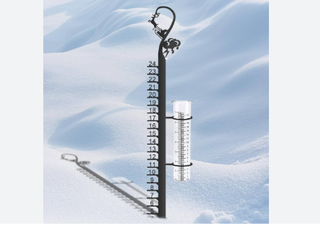
Understanding and accurately measuring precipitation is vital for weather forecasting, climate studies, water resource management, agriculture, and disaster prevention. While rain is commonly monitored using rain gauges, measuring snowfall requires a slightly different approach due to the unique properties of snow. This is where a rain and snow gauge becomes essential. Designed to measure both liquid and solid forms of precipitation, this dual-purpose instrument provides critical data throughout the year—regardless of the weather.
In this article, we’ll explore what a rain and snow gauge is, how it works, the types available, key applications, and its importance in weather science and environmental monitoring.
What is a Rain and Snow Gauge?
A rain and snow gauge is a meteorological instrument designed to measure precipitation in the form of both rainfall and snowfall. While standard rain gauges can measure liquid rain, they cannot handle snow or frozen precipitation unless additional components or modifications are used. A combined rain and snow gauge is equipped to measure and account for both liquid and solid precipitation by collecting, melting, and quantifying the total water equivalent.
This gauge is crucial in regions with mixed seasonal climates, where rain is common in warmer months and snow in colder months.
How Does a Rain and Snow Gauge Work?
The primary goal of a rain and snow gauge is to capture precipitation and determine its water content. Here's how it typically functions:
1. Collection: Precipitation, whether rain or snow, falls into a catchment area or funnel at the top of the gauge.
2. Melting (for snow): For snow or mixed precipitation, the gauge includes a heating element that melts snow and ice into liquid water. This ensures all forms of precipitation are recorded as a water equivalent.
3. Measurement: The collected liquid is measured using one of several techniques—such as tipping buckets, weighing sensors, or optical measurement—to determine the volume of precipitation over a set period.
4. Recording and Transmission: In modern systems, the data is logged digitally and often transmitted to meteorological stations or cloud-based monitoring platforms.
Types of Rain and Snow Gauges
There are different types of gauges designed to measure both rain and snow, each with its own mechanism and level of complexity.
1. Weighing Precipitation Gauge
This type of gauge collects precipitation in a container and weighs the total water equivalent. It includes a heater to melt snow and ice. The weight of the collected liquid is then converted into a depth measurement (e.g., mm or inches).
Advantages: Highly accurate, suitable for all precipitation types, minimal maintenance.
Disadvantages: More expensive, requires power for heating.
2. Tipping Bucket with Snow Adapter
A tipping bucket gauge uses a small container that tips when a fixed volume of water is collected. For snow measurement, a heating attachment melts the snow before it enters the tipping mechanism.
Advantages: Simple design, good for continuous monitoring.
Disadvantages: Less accurate in heavy snow, can miss light snowfall if melting is inconsistent.
3. Optical Precipitation Sensors
These advanced sensors detect precipitation using laser or infrared beams. They determine the type (rain or snow) and intensity based on how the particles scatter or interrupt the beam.
Advantages: No moving parts, instant detection, modern and digital.
Disadvantages: High cost, sensitive to environmental noise (fog, dust, insects).
Importance of Measuring Snow and Rain Accurately
Accurate precipitation measurement is critical for a variety of scientific, agricultural, and safety-related applications.
1. Weather Forecasting
Rain and snow data are crucial inputs for meteorological models. Forecasting snowfall and rain events helps in issuing weather warnings, road safety alerts, and flight operation decisions.
2. Water Resource Management
Understanding how much precipitation falls—whether as rain or snow—helps manage reservoirs, groundwater levels, and river flows. Snowpack data, in particular, helps predict spring meltwater availability in mountainous regions.
3. Flood Prediction and Prevention
Heavy rainfall or rapid snowmelt can lead to flooding. Gauges provide real-time data that can help authorities prepare for or respond to flood risks.
4. Agriculture
Farmers use precipitation data to guide planting schedules, irrigation, and crop selection. Snow data is also important in planning for spring planting and managing frost risk.
5. Climate Monitoring
Long-term precipitation records are essential for studying climate change. Snowfall and rainfall trends help scientists analyze regional and global climate shifts.
Key Features in Modern Rain and Snow Gauges
Today’s precipitation gauges are far more advanced than their historical counterparts. Modern rain and snow gauges often include:
- All-Weather Operation: Designed to function in extreme heat or cold, with materials that resist rust, freezing, or warping.
- Heated Funnels: Prevent snow buildup and ensure even melting for accurate measurements.
- Remote Connectivity: Wireless or satellite data transmission allows for real-time monitoring and integration with broader environmental networks.
- Automatic Data Logging: Enables collection of long-term data without manual intervention.
Installation and Placement Considerations
For accurate measurements, proper placement is key:
- Open Area: The gauge should be installed away from buildings, trees, and obstructions that can block or influence precipitation.
- Height: The gauge should be mounted at an appropriate height (typically 1 to 1.5 meters above ground) to reduce splashback or drifting snow.
- Stable Base: Ensures the instrument remains level, which is critical for accuracy, especially with weighing gauges.
Limitations and Challenges
Despite their usefulness, rain and snow gauges can face certain challenges:
- Wind Effects: Wind can carry snow away from the gauge or cause undercatch of light precipitation.
- Clogging: Debris, insects, or ice can block the funnel, affecting readings.
- Power Requirements: Heated gauges require a constant power source, which may be difficult in remote areas.
- Calibration and Maintenance: Regular checks are needed to ensure sensors remain accurate and heating elements are functioning properly.
Future of Rain and Snow Measurement
With advancements in technology, the future of precipitation measurement looks promising:
- IoT-Enabled Sensors: Allowing real-time access and integration with broader weather and smart city networks.
- AI and Machine Learning: Used to analyze large datasets for improved forecasting and climate modeling.
- Miniaturized Sensors: Useful for drones or portable weather stations.
- Environmental Adaptability: Sensors that self-calibrate and adjust for snow drift, evaporation, and temperature changes.
Conclusion
The rain and snow gauge is an indispensable tool in the world of meteorology and environmental science. By measuring both liquid and solid forms of precipitation, it offers a comprehensive picture of atmospheric water input throughout the year. Whether it's aiding farmers during the growing season or helping scientists monitor climate change, this dual-purpose instrument plays a crucial role in sustaining life and managing resources. As climate patterns become increasingly unpredictable, the need for precise, year-round precipitation monitoring has never been greater—and the rain and snow gauge is at the heart of that effort.