
Fortress Anchors: Lightweight Strength and Exceptional Holding Power
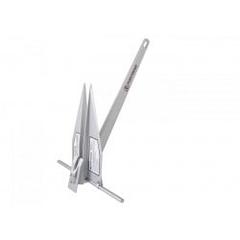
Fortress anchors are widely regarded as some of the most advanced and reliable anchors available for modern boaters. Known for their lightweight aluminum construction and impressive holding power, Fortress anchors have earned a strong reputation among sailors, powerboaters, fishermen, and marine professionals around the world. Designed using high-strength materials and innovative engineering, these anchors offer excellent performance while being significantly lighter than many traditional anchor types.
Whether used as a primary anchor for smaller vessels or as a backup anchor on larger boats, Fortress anchors provide dependable security and peace of mind in a variety of marine conditions.
What Is a Fortress Anchor?
A Fortress anchor is a high-performance fluke-style anchor manufactured from hardened aluminum-magnesium alloy. It is based on the traditional Danforth anchor design but incorporates several modern improvements that enhance strength, durability, and holding capability.
The anchor features large, sharp flukes that penetrate the seabed efficiently and create substantial holding power. Despite its lightweight construction, a Fortress anchor can often outperform much heavier steel anchors in suitable bottom conditions.
One of the unique characteristics of Fortress anchors is their adjustable fluke angle, which allows users to optimize performance for different seabed types.
How Fortress Anchors Work
Fortress anchors operate by burying their large flukes into the seabed. Once deployed, the anchor settles on the bottom and aligns itself with the pull of the anchor rode.
As tension increases, the sharp flukes dig deeper into the sediment, creating a secure grip. The broad surface area of the flukes generates significant resistance against movement, helping keep the vessel firmly in place.
Because of their lightweight design, Fortress anchors are easy to handle while still delivering exceptional holding power once properly set.
Advantages of Fortress Anchors
Exceptional Holding Power
One of the primary reasons boaters choose Fortress anchors is their remarkable holding strength. Independent tests have shown that Fortress anchors often achieve holding capacities that exceed those of much heavier traditional anchors.
Lightweight Construction
The aluminum-magnesium alloy construction makes Fortress anchors considerably lighter than steel alternatives. This makes deployment, retrieval, and storage much easier.
Corrosion Resistance
Unlike steel anchors, aluminum alloys do not rust. Fortress anchors provide excellent resistance to corrosion, making them highly suitable for long-term marine use.
Adjustable Fluke Angles
Many Fortress anchor models allow users to adjust the fluke angle. This feature helps maximize holding performance in different bottom conditions, including soft mud and sand.
Easy Storage
Fortress anchors can often be disassembled for compact storage. This is especially valuable on boats with limited storage space.
Best Seabed Conditions for Fortress Anchors
Fortress anchors perform exceptionally well in:
- Sand
- Soft mud
- Fine sediment
- Sandy-mud mixtures
Their sharp flukes and large surface area allow them to penetrate deeply and develop tremendous holding power in these environments.
However, like most fluke-style anchors, they may be less effective in:
- Rocky seabeds
- Coral bottoms
- Heavy vegetation
- Hard-packed clay
In such conditions, penetration can be more difficult, reducing effectiveness.
Common Applications
Sailboats
Fortress anchors are particularly popular among sailors due to their lightweight design and superior holding power.
Powerboats
Powerboat owners appreciate the ease of handling and dependable performance offered by Fortress anchors.
Offshore Cruising
Many offshore cruisers carry Fortress anchors as secondary or storm anchors because of their excellent holding capability.
Emergency and Backup Anchors
Their lightweight construction and compact storage options make Fortress anchors ideal as backup anchors on larger vessels.
Fishing Boats
Fishing vessels frequently use Fortress anchors to maintain stable positioning while operating in bays, rivers, and coastal waters.
Materials and Construction
Fortress anchors are manufactured from high-strength aluminum-magnesium alloy, which provides several important benefits:
- Excellent strength-to-weight ratio
- Superior corrosion resistance
- Long service life
- Reduced handling effort
- Minimal maintenance requirements
Precision manufacturing techniques ensure consistent quality and reliable performance across the entire product range.
Choosing the Right Fortress Anchor
Selecting the appropriate Fortress anchor depends on several factors:
- Boat size and displacement
- Typical anchoring conditions
- Wind exposure
- Bottom composition
- Intended use
Manufacturers provide detailed sizing charts that help boat owners choose the correct model for their vessel and anchoring requirements.
Maintenance and Care
Fortress anchors require relatively little maintenance compared to steel anchors. However, regular inspection remains important.
Recommended maintenance includes:
- Rinsing with fresh water after use
- Inspecting bolts and fasteners
- Checking flukes for damage
- Ensuring moving parts operate correctly
- Proper storage when not in use
Routine care helps maintain peak performance and extends the lifespan of the anchor.
Conclusion
Fortress anchors have become a trusted choice for boaters seeking lightweight construction, superior corrosion resistance, and exceptional holding power. Their advanced fluke-style design, adjustable settings, and high-strength aluminum alloy construction allow them to deliver outstanding performance in sandy and muddy seabeds. Whether used as a primary anchor, backup anchor, or storm anchor, Fortress anchors provide reliable security and ease of handling that make them a valuable addition to any vessel’s anchoring system. With proper sizing and maintenance, a Fortress anchor can offer years of dependable service and confidence on the water.