
How Improper Seat Belt Use Increases Injury Severity
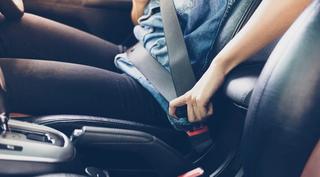
One of the most important safety devices that modern vehicles have is seat belts. However, their level of protection depends entirely on whether you're using them correctly. Just having a seat belt fastened isn't as effective as being properly restrained by the seat belt. For example, belts worn under your arm, those that have slack in them, or those positioned across your stomach instead of your hips can all undermine the safety that using a seat belt provides.
What Are Seat Belts Meant to Do?
Whenever you're involved in a vehicle collision, your body moves at the same speed that your vehicle was traveling until it stops by force. If you don't have a properly worn seat belt, that stopping force could come from things like your windshield, dashboard, steering wheel, or even a side window. Vehicle seat belts are specifically designed to keep you inside your vehicle during a crash.
They're meant to prevent contact with the hard interior surfaces inside your vehicle, like your dashboard or your steering wheel. Seat belts are engineered to distribute crash force across the strongest parts of the human body to minimize harm. They greatly reduce your risk of vehicle ejection and minimize movement during rollovers.
Common Misuses of Seat Belts
There are many different small and sometimes large deviations in seat belt use that vehicle owners are culpable of day in and day out. One of the most common is the shoulder belt being worn underneath the arm or put behind the back of the seat. Moving the diagonal strap off your shoulder eliminates its ability to spread the forces of the crash across your chest and pelvis. When misused, the belt concentrates the load on your ribs and your abdomen. In a lot of cases, the vehicle occupant will lose their upper body restraint in its entirety. This allows both the head and the torso to pitch forward into your dashboard, steering wheel, or even the seat in front of you.
Another common form of improper use is having the lap belt worn too high or across the abdomen. The lap portion of your seat belt is specifically engineered to sit low on your pelvis. This is where your bones can properly absorb crash forces. If you let the belt ride up over the soft tissue of the abdomen, any forward collision can drive the seat belt into your stomach. This can cause lacerations and damage to your internal organs.
Any loosely fitted seat belt allows for extra downward or forward motion of the body before the belt actually engages to do its job. That additional distance allows your body to build up more momentum before the restraining system absorbs energy. This essentially increases the forces on your body throughout the crash, leading to more injuries.
Another misuse of seat belts is having them on while you have a reclined seating position. Even if you're wearing your seat belt properly, its effectiveness is greatly reduced as your seat reclines backward. In a reclining position, the lap belt slides off of your pelvis and onto the abdomen. When a crash occurs, your shoulder belt will no longer be able to hold your torso against the back of your seat. This increases your risk of sliding underneath the belt entirely when a crash occurs.
One lesser-known misuse of seat belts is a twisted seat belt. Anywhere that there is twisting within the belt itself, it reduces the surface area that the crash force can spread across. Instead of distributing the energy across a large portion of your body, the force becomes concentrated in the area that is twisted. This greatly increases the likelihood of soft tissue injuries, broken ribs, and bruises. Additionally, a twisted belt may not tighten or retract properly when a collision happens.
Why Biomechanics Matter So Much
Most modern-day seat belts are designed with a three-point protection system. This helps to spread the force of the crash across the body's strongest bones. These include your shoulders, chest, and pelvis. The lower lap belt is meant to rest across your hips, while the shoulder belt crosses the center of your chest and your shoulder.
All seat belts have internal pre-tensioners that immediately tighten your seat belt when a crash occurs. They have load limiters that provide controlled belt movement to reduce injuries to your chest. There are adjustable shoulder anchors that allow for proper belt positioning. There are also built-in locking retractors that help to prevent excess movement when an impact occurs. These all work simultaneously to provide optimal protection when a vehicle crash happens.
Typical Injuries from Improperly Used Seat Belts
When you have improper seat belt positioning, it significantly changes how the force of the crash gets distributed across your body. In a lot of cases, the seat belt that's intended to protect you can contribute to serious injuries if not worn properly. Some of the most common include head and brain injuries. When your seat belt isn't properly restraining you during a crash, your head can come into contact with the windshield, steering wheel, side windows, roof structure, or even your dashboard. Unfortunately, many of these impacts can lead to issues like skull fractures, traumatic brain injuries, concussions, eye injuries, and facial fractures.
Neck injuries are another common type of injury vehicle owners suffer when improperly restrained due to misuse of a seat belt. Without enough restraint, the force of the crash can cause your head and neck to move forward excessively. This leads to issues like herniated discs, whiplash, nerve damage, muscle tears, cervical spine injuries, and so much more. Some other common types of injuries that an experienced car accident lawyer like the attorneys at Thomas Law Offices is likely to handle with insurance claims include chest, abdominal, and spinal injuries.
A Note About Airbag Performance and Seat Belt Misuse
Apart from providing protection from the forces of a crash, seat belts are also designed to work with your airbag. When you have a properly worn seat belt, it keeps you positioned so that the airbag can actually deploy as it's intended to. If you are using your seat belt improperly, it could position you too closely to the airbag, allow you to slide underneath the airbag, or even cause you to miss the airbag's protective zone altogether.