
5 Common Myths about PCB Layouts
As time progresses, we have realized that the components are getting way smaller in size and so are the PCBs. This means that the need to be more efficient and precise with component fixation is higher than ever now if you want to deliver good results.
While we are still struggling with how we can make our designs more efficient, it is hard to ignore some of the misconceptions people have regarding the layout of Printable Circuit Boards.
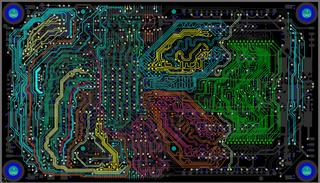
To help you know and design better, we have compiled a list of some of the most common myths that we have come across that you better not believe.
Myth #1: Position doesn’t matter
Some of the people who are a part of the electronics world and don’t know any better think that it is only the final product that matters.
The user experience and the layout is not affected by how you choose to layout your components on the board. This is wrong and something most of you would have figured out by now. Not only does efficient placement helps with the layout but also makes the end product more efficient.
Myth #2: Power delivery is not important
This is entirely false not only for the layouts that go on the PCBs but any circuit. Some components work by deriving more power while others on less.
Thinking that they all would work on the same value is wrong. Regardless of which method you use, make sure that the power which is supplied to all the components on the circuit is divided based on their individual needs.
Myth #3: Placing similar objects close together helps
Well, it would but only in the ideal world. With PCBs, it would serve no other purpose rather than making the board look pretty. When designing, the focus should be on the layout and the schematic of the circuit rather than the grouping.
In fact, if you have to group, bring the components that are part of the same schematic set close so that the signal transmission is rapid.
Myth #4: Standard DRCs apply
This is not true at all, and if you follow this rule, your project would actually have to duffer a lot. When designing, do keep in mind the design-rule-check settings of the PCB boards’’ manufacturers to see where their strengths lie.
Working with a reliable and trusted manufacturer like RayMing Technology for Ray PCB can elevate the success rates of your designs ensuring that almost all of them get built ultimately.
Myth #5: DRC check is enough
While a DRC test does help ensure that the circuit is working in most cases, it is still not the definitive solution. It cannot guarantee the basic engineering techniques that have bene used and how they would impact the overall working of the layout. This is something only the engineer can do.
PCB layout is simple, and with these common myths that have been busted for you, things are bound to get way more fun for you. After all, it is only through the right approach that you can create something great in the world.

