
What Businesses Need to Know About Commercial Fish Processing Machines
The fish processing industry is a vital sector in the global food market, supplying millions of tons of seafood annually. According to the Food and Agriculture Organization, the global fish production reached approximately 179 million metric tons in 2021, with over 88% directed to human consumption.
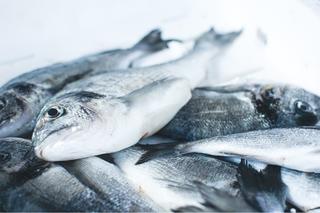
The increasing demand for seafood necessitates efficient processing methods, and fish processing machines have become essential for maintaining quality, reducing waste, and optimizing production costs. These machines improve hygiene, streamline labor-intensive tasks, and ensure compliance with food safety regulations, making them indispensable for both large-scale enterprises and small businesses.
Key Stages of Fish Processing
Fish processing involves multiple steps to transform raw seafood into market-ready products. Each stage requires specific equipment to ensure efficiency and consistency.
Reception and Storage
Fish must be handled with care immediately after being caught to maintain its freshness. Proper storage conditions, including temperature-controlled environments and insulated containers, prevent spoilage. Many businesses use industrial weighing scales at this stage to track inventory accurately.
Primary Processing
This phase includes cleaning, gutting, and heading. Gutting removes internal organs to prevent bacterial growth, while heading eliminates the head for certain market applications. Advanced fish gutting and heading machines automate this process, improving precision and reducing labor costs.
Advanced Processing
This stage refines the fish further through filleting, grading, sorting, skinning, and portioning. Filleting machines ensure uniform cuts, while grading and sorting machines categorize fish based on size and weight. Skinning machines remove unwanted fish skin for specific product requirements. Automated portioning machines create uniform portions suited for packaging and retail distribution.
Packaging and Storage
Proper packaging extends shelf life and prevents contamination. Vacuum sealing, freezing, and modified atmosphere packaging (MAP) are widely used to maintain fish quality during storage and transportation.
Types of Fish Processing Equipment
Fish processing requires specialized machinery to meet industry demands. Below are key types of equipment used in fish processing plants:
Fish Filleting Machines
Fish filleting machines automate the process of cutting fish into fillets, significantly reducing manual labor.
These machines use high-precision blades and conveyor systems to ensure uniform cuts. Leading manufacturers such as Baader and Marel offer state-of-the-art filleting machines that enhance yield efficiency while minimizing waste.
Fish Grading and Sorting Machines
Sorting fish by size, weight, and quality ensures consistent product standards. Automated grading machines use cameras, sensors, and weighing systems to classify fish quickly. Companies like Cabinplant and FPI (Fish Processing Innovations) manufacture high-precision sorting machines that improve throughput.
Fish Gutting Machines
Fish filleting machines automate the process of cutting fish into fillets, significantly reducing manual labor.
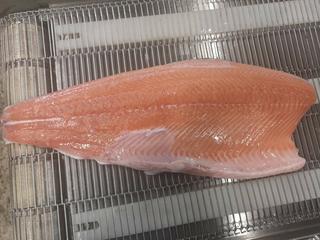
These machines remove internal organs efficiently, reducing the need for manual labor. Some models integrate water-jet cleaning systems to enhance hygiene. Leading brands such as Trio and Pisces Fish Machinery provide advanced gutting solutions that increase processing speed and maintain quality.
Fish Heading Machines
Heading machines ensure precise removal of fish heads for various processing applications. These machines help maintain product consistency and are widely used in large-scale operations. Normar Trading and Baader are prominent manufacturers of heading machines.
Fish Skinning Machines
Skinning machines remove fish skin for fillets and other processed products. These machines operate using high-speed rollers and specialized blades. Key suppliers include Carnitech and Maja, which produce efficient and durable skinning machines.
Industrial Weighing Scales
Used at multiple stages of processing, industrial weighing scales ensure accurate weight measurement for inventory control, grading, and packaging. Companies like Ishida and Marel provide precise weighing solutions tailored for the fish processing industry.
Needle Injectors
Needle injectors enhance the flavor and preservation of fish by injecting brine, marinades, or other solutions. These machines help create value-added seafood products for retail markets. Brands like Gunther and Fomaco lead in needle injector technology.
Fish Portioning Machines
Portioning machines ensure consistent portion sizes, crucial for food service and retail packaging. Baader and Marel manufacture high-speed portioning machines that optimize yield and minimize waste.
Strapping Machines
Used in packaging lines, strapping machines secure boxes and containers, ensuring safe transportation. Companies like Signode and Mosca produce high-performance strapping solutions tailored for the seafood industry.
Economic Aspects
Initial Investment and ROI
Purchasing fish processing machines represents a substantial investment, particularly for businesses aiming to scale up production. The return on investment (ROI) depends on various factors, including the efficiency of the equipment, labor cost savings, and improvements in product yield. High-quality machinery can enhance processing speeds, reduce waste, and ensure compliance with safety regulations, ultimately leading to long-term profitability. Companies must carefully analyze equipment options, balancing upfront costs with expected performance improvements to determine the most cost-effective solution.
Maintenance and Repair Costs
Regular maintenance is crucial to ensure the longevity and optimal performance of fish processing machines. Preventative maintenance helps minimize unexpected breakdowns, reducing downtime and avoiding costly emergency repairs. Many leading manufacturers offer service contracts, ensuring timely inspections and replacement of worn components. Factors influencing maintenance costs include the complexity of the machinery, the availability of spare parts, and the level of automation. Businesses should consider suppliers that provide strong after-sales support, training, and easily accessible technical assistance to maximize operational efficiency.
Refurbished Fish Processing Machines: A Cost-Effective Alternative
Professionally refurbished used fish processing machines present a cost-saving option for new and small businesses. Instead of investing in brand-new equipment, businesses can acquire high-quality, pre-owned machines that have been restored to optimal condition. Companies specializing in refurbishment, such as Norway-based Normar Trading, provide top-tier used fish processing machines that undergo rigorous testing and restoration.
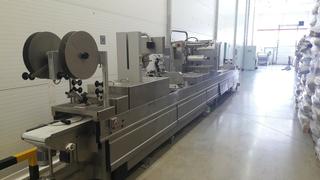
Normar Trading offers warranties on its refurbished machines and provides installation, calibration, and post-sales support, making it an attractive option for companies looking to optimize expenses.
Trends and Innovations in Fish Processing Equipment
Automation
Automation plays a crucial role in modern fish processing facilities by reducing reliance on manual labor, increasing efficiency, and improving consistency. Automated systems streamline tasks such as gutting, filleting, and packaging, minimizing human error and reducing operational costs.
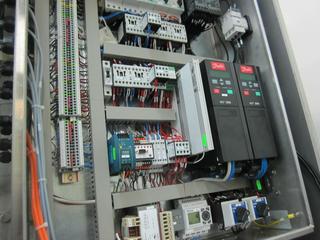
Advanced robotics and conveyor systems enable seamless integration between processing stages, enhancing workflow. Companies like Marel and Baader lead in developing automated fish processing solutions that significantly boost production efficiency.
Precision Cutting
Precision cutting technology ensures uniform portion sizes and maximizes yield, reducing waste in fish processing. High-speed filleting and portioning machines equipped with laser-guided systems provide accurate cuts, improving product consistency. Baader and Pisces Fish Machinery offer state-of-the-art precision cutting machines designed to handle different fish species with minimal loss, optimizing resource utilization.
Quality Monitoring
Real-time quality monitoring systems are becoming increasingly important in fish processing. These technologies use advanced imaging, spectroscopy, and AI-driven analysis to detect defects, measure freshness, and ensure compliance with safety regulations. Integrated quality control solutions from companies like Ishida and Marel help maintain high product standards while reducing recalls and waste.
The fish processing industry thrives on efficiency and innovation. Investing in modern or refurbished fish processing machines ensures businesses remain competitive, improve production capabilities, and maintain high product standards.