
4 Reasons to Automate Invoice Processing
Businesses process hundreds to thousands of invoices every year, and this number just keeps on increasing as it grows. Accounts payable (AP) divisions of these businesses end up being under immense pressure while dealing with manual invoices in the form of emails, fax, and other electronic formats such as PDF, CSV or JPG files.
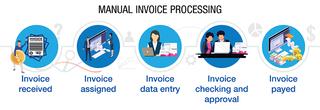
AP divisions processing invoices manually tend to have low productivity, high errors, and high rates of document mismanagement. Hence, on average, manual invoice processing takes anywhere between 30 to 90 days per invoice.
Negative impact of manual invoice processing:
- Hindering effective cashflow management
- Reduced good-will amongst vendors
- Losses due to ineligibility for early payment discounts
- Tax compliance issues
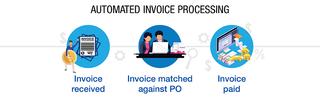
Automating invoice processing using a combination of modern tools such as Optical Character Recognition (OCR), Machine Learning (ML) and Artificial Intelligence (AI), businesses can streamline invoice processing for their AP division. Implementing this technology brings down the invoice processing time of 30 to 90 days to a few minutes.
Every business across the globe, depending on manual invoice processing experience a range of difficulties and have multiple reasons to automate and streamline this process.
4 Reasons to Automate Invoice Processing
1. Cashflow optimization & improved decision making
Increased visibility made possible by instant and accurate reports provide clarity on cash-in-hand & help CFOs make informed business decisions.
Having healthy working capital is necessary for any business to thrive in a competitive market. A low working capital deems the payments to be collected irrelevant. If a business lacks the funds to order supplies, it is highly likely your operations or production will suffer.
Automated invoice processing keeps all the necessary information updated in a central database: ERP or accounting software. This means when you want to look at the current cash flow status, your employees don’t have to look through unregistered supplier invoices, purchase orders, etc. & enter data into your system before generating reports, the reports are accessible instantly.
Possessing a clear picture of cashflow empowers key decision-makers to make informed decisions about critical business processes like ordering materials or investing in enhancing operational efficiencies.
2. Improved accuracy & vendor-buyer relationship
90% of businesses in United States experience frequent late payments forfeiting early payments discounts and straining vendor relations.
Manual invoice processing is prone to human errors. An invoice
- May go missing
- May be placed in the wrong file or
- May consist of inaccuracies due to entry errors.
As a result of these human errors, businesses forfeit early payment discounts and certain vendors may also charge late payment fees. These discrepancies can lead to a strained relationship between your business and vendors leading to possible reduction in credit time provided to you.
Automated invoice processing eliminates the possibility of missing invoices, misfiling of invoices and reduces the possibility of data entry errors to almost 0%. It automatically maps the payable invoices against purchase orders and generates notification for timely payments.
Thus, timely payments reduce expenditure and increase vendor trust resulting in benefits in terms of credit limits.
3. Optimal utilization of time and money
Businesses invest approximately $7.03 per invoice in a manual accounts payable solution which can be reduced to $4.53 if automated.
Manual invoice processing incurs considerable costs in terms of labor expenses, mailing and printing costs on top of late payment fees mentioned above. Moreover, account payable executives invest a considerable amount of time in invoice data entry, management & report generation.
Automated solutions can open, scan, extract, validate and archive invoices without any human involvement. Thus, having an automated solution deducts most of the expenses associated with manual invoice processing. Your account payable executive can now dedicate more time to value-adding activities such as analyzing reports and resolving vendor queries and concerns.
Thus, an automated invoice processing solution can reduce the overall processing cost by 35.6% and save time of AP executives/coders.
4. Smoother tax compliance
Automated invoice processing reduces tax compliance-related expenses by 37% to 39%.
In most countries, invoices are a major part of tax audits. Dealing with these audits become painful if your invoices are processed manually. Once the audit process begins, accounting personnel can be seen running frantically to locate missing or misfiled invoices. Due to these issues, audit reports are usually delayed.
Authorities across the globe are putting extra weightage on the requirement of digital tax reporting to enhance compliance throughout businesses. With automated processing capabilities, auditors will have all the information they need with respect to accounts payable on their fingertips. This will ensure smoother tax audits and increase compliance with various government regulations.
Tax audits will be a much faster and smoother process with automated invoice processing.
Conclusion
If you have an ERP system or an accounting system in which you are entering data manually from electronic or paper documents, it is time you consider implementing a customized automated invoice processing solution. Implementing such a solution will increase cashflow visibility, improve vendor goodwill, save costs and enhance tax compliance.
We can help you create a customized automated invoice processing solution catering to your business needs and processes. To know more get in touch with us now.


