
Custom Envelope Printing Guide for Today Business
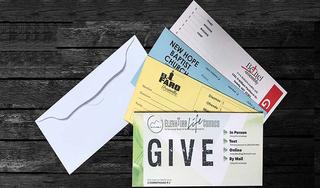
Custom envelopes and envelope printing offer a powerful way for American businesses to enhance branding, improve direct mail effectiveness, and stand out in a crowded market. By tailoring envelopes with unique designs, high-quality prints, and personalized elements, companies can create professional correspondence that resonates with recipients across the USA.
Why Custom Envelopes Matter in Today's Business Landscape
In the digital age, physical mail might seem outdated, but statistics from the United States Postal Service (USPS) show that direct mail still boasts a response rate of up to 9% for house lists, far surpassing email's average of 0.12%. Custom envelopes elevate this by turning a simple mailing into a branded experience. For instance, a real estate firm in New York could use envelopes printed with their logo and a subtle skyline motif to evoke trust and locality, increasing open rates by making the mail feel personal rather than generic.
Beyond aesthetics, custom envelopes serve practical purposes. They comply with USPS regulations for size, weight, and barcode placement, ensuring seamless delivery from coast to coast. Businesses in competitive sectors like finance or e-commerce often overlook how a well-printed envelope can reinforce brand identity—think of how Amazon's plain packaging contrasts with luxury brands like Tiffany & Co., which use custom blue envelopes to build anticipation. Deep insights reveal that envelopes aren't just carriers; they're the first touchpoint in customer journeys, influencing perceptions before the contents are even revealed.
Exploring Envelope Printing Techniques and Options
Envelope printing has evolved significantly, with modern techniques offering precision and durability suited to the demands of US mailing systems. Offset printing remains a staple for high-volume runs, ideal for businesses sending thousands of pieces, as it provides sharp, consistent colors at a lower cost per unit. Digital printing, on the other hand, excels for smaller batches or variable data, allowing personalization like recipient names or regional references—perfect for targeted campaigns in states like California or Texas.
For deeper customization, consider foil stamping or embossing, which add tactile elements that appeal to sensory marketing. A study by the Paper and Packaging Board indicates that 72% of Americans prefer physical mail for its tangibility, and these premium prints can boost that appeal. UV coating protects against wear during transit, crucial for cross-country shipments where envelopes might endure humid Florida summers or snowy Midwest winters. Businesses should also factor in eco-friendly inks and recycled papers to align with growing sustainability trends; for example, using soy-based inks reduces environmental impact while meeting US consumer preferences for green practices.
Materials play a key role too. Standard white wove paper is versatile, but options like linen or metallic finishes can convey luxury. In the USA, where direct mail volume reached 72 billion pieces in 2023 according to USPS data, choosing the right material ensures envelopes withstand automated sorting machines without tearing.
Benefits of Investing in Custom Envelope Printing
The advantages of custom envelopes extend far beyond visual appeal. From a marketing perspective, they can increase ROI by improving open and response rates. A case study from a Chicago-based marketing firm showed that switching to custom-printed envelopes with teaser text like "Exclusive Offer Inside" lifted campaign responses by 25%. This is because custom designs create curiosity, combating the "junk mail" stigma prevalent in American households.
Operationally, printed envelopes streamline workflows. Pre-printed return addresses and barcodes reduce manual errors, saving time for small businesses in rural areas or bustling urban centers. For industries like legal services or healthcare, security features such as tamper-evident seals printed directly on envelopes ensure compliance with US privacy laws like HIPAA, adding a layer of trust.
Economically, bulk printing can cut costs—printers in hubs like Atlanta or Los Angeles offer competitive rates for US clients. Moreover, custom envelopes support omnichannel strategies; a QR code printed on the flap could link to a digital landing page, bridging physical and online worlds seamlessly.
Trends and Innovations in US Envelope Printing
The envelope printing industry in the USA is adapting to technological shifts. Variable data printing (VDP) allows hyper-personalization, where envelopes can feature location-specific elements, like referencing "Golden Gate Views" for San Francisco recipients. This ties into data-driven marketing, with tools integrating CRM systems for automated customization.
Sustainability is a rising trend, driven by consumer demand—79% of Americans consider eco-friendliness when choosing brands, per Nielsen reports. Printers now offer biodegradable envelopes and water-based inks, appealing to environmentally conscious businesses in states like Oregon or Washington.
Augmented reality (AR) is an emerging innovation; imagine scanning a printed envelope with a smartphone to reveal a virtual message. While still niche, it's gaining traction in creative sectors like event planning. Additionally, with the rise of e-commerce, custom envelopes for product returns or thank-you notes are becoming essential for customer retention.
How to Choose the Right Custom Envelope Provider
Selecting a provider involves evaluating their expertise in US-specific needs, such as USPS compliance and fast turnaround times. Look for companies with in-house design teams that can incorporate your brand guidelines seamlessly. Request samples to test print quality and material durability against real-world mailing conditions.
Pricing transparency is key—avoid hidden fees for setup or color matching. Providers offering online proofing tools enable quick iterations, which is invaluable for time-sensitive campaigns. Finally, check reviews from US businesses to ensure reliability; a provider with a strong track record in your industry can offer tailored insights, like optimizing for bulk mail discounts.
Best Practices for Designing Effective Custom Envelopes
Design starts with understanding your audience. For B2B mailings, opt for professional, clean layouts; for consumer outreach, vibrant colors and bold fonts can grab attention. Always include clear calls-to-action on the exterior to encourage immediate engagement.
Test designs through A/B splits—send variations to small segments and measure responses. Incorporate white space to avoid clutter, ensuring legibility under varying lighting conditions common in US homes and offices.
Remember accessibility: Use high-contrast colors for those with visual impairments, aligning with ADA guidelines. And for seasonal campaigns, adapt designs—like patriotic themes for Independence Day mailings—to resonate culturally.
In essence, custom envelopes and envelope printing are indispensable tools for US businesses aiming to make lasting impressions. By leveraging these elements thoughtfully, companies can transform routine mail into memorable interactions that drive growth and loyalty.


