
Air Sealing Experts Explain How to Stop Drafts for Good
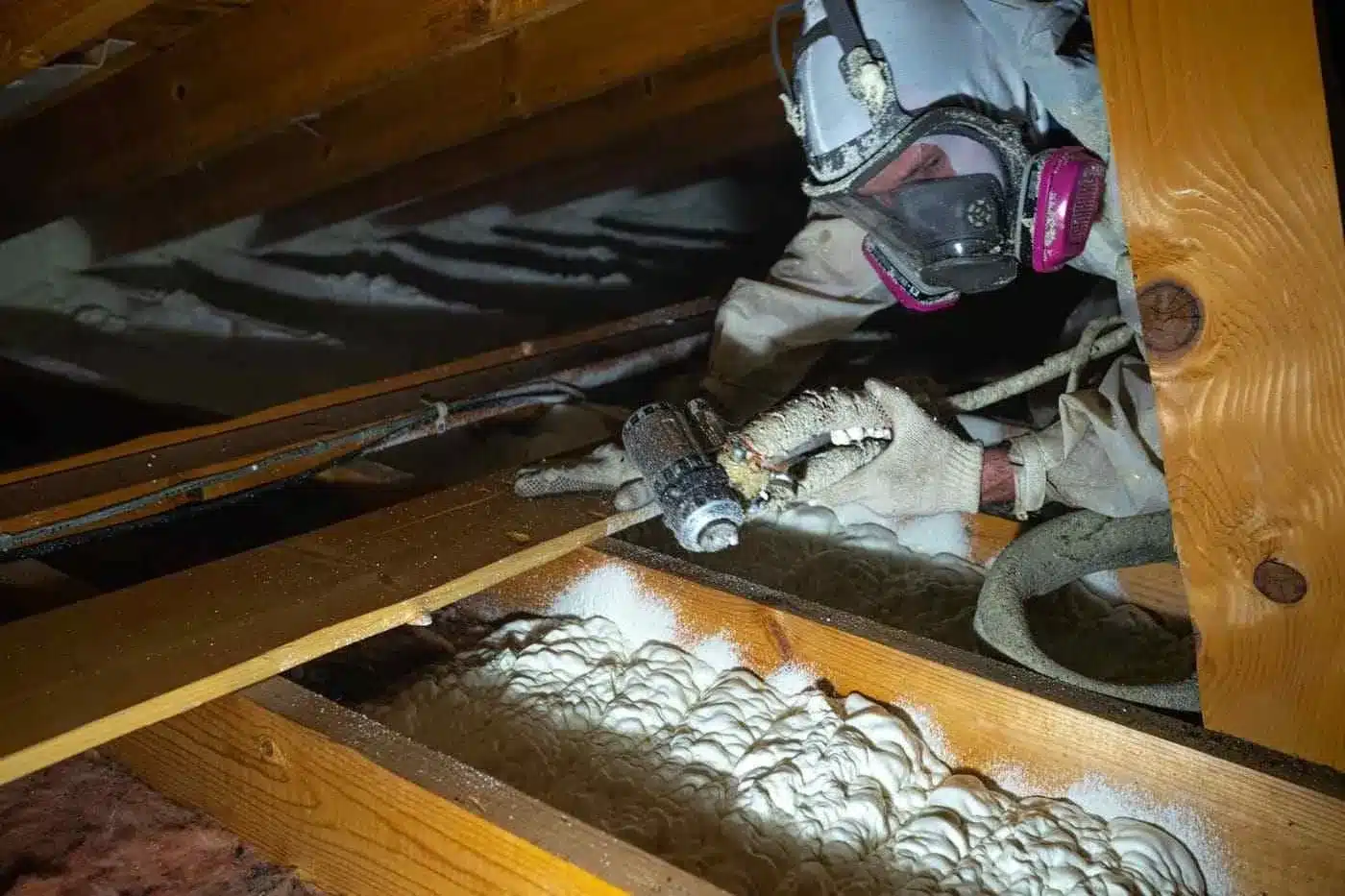
Feeling a cold draft is a common annoyance for homeowners, often leading to a weekend trip for weatherstripping and caulk. While these efforts can help, they rarely solve the problem for good. That’s because the most significant drafts don’t come from obvious places like windows and doors. According to building science experts, the real culprits are hidden air leaks in a home's structural shell, primarily in the attic and the basement or crawl space. Stopping drafts permanently requires a systematic approach of finding and sealing these gaps to create a continuous air barrier around the living space.
This is the only way to truly control the flow of air in and out of a home. To develop a permanent fix, it's useful to understand why a comprehensive approach works, where to find the biggest leaks, and how professionals tackle the job. The information here is based on the day-to-day experience of air sealing experts who specialize in making homes more comfortable and energy-efficient.
The Real Engine Driving Drafts: The Stack Effect
To understand where drafts come from, you need to think of your house as a system. During the colder months, the warm, buoyant air generated by your heating system rises. It pushes its way out of the house through any available gaps in the upper levels, especially in the attic. This outflow of air creates a slight negative pressure in the lower levels of the home, which in turn pulls cold replacement air in through cracks in the foundation, rim joists, and around windows.
This natural phenomenon is called the "stack effect," and it’s the primary engine behind a drafty house. It's the same principle that makes a chimney draw smoke up and out. In the summer, the process can reverse, pulling hot, humid air from the attic and outdoors into the cooler, conditioned living space. This is why simply sealing a window might not stop the drafty feeling in a room; the air is still being pulled into the house from somewhere else.
Where the Biggest Leaks Are Actually Located
While a leaky window is easy to feel, it contributes only a small fraction of a home’s total air leakage. The largest holes are almost always hidden from view, connecting the living space to the attic or the foundation.
Top-Level Leaks in the Attic
The boundary between your ceiling and the attic is often full of penetrations made during construction. Each one is a pathway for warm air to escape. Common spots include:
- Recessed Can Lights: Older models are notoriously leaky and can be a major source of heat loss.
- Plumbing Stacks and Vents: The pipes running through your attic floor are rarely sealed properly.
- Wiring Holes: Every wire that goes through the top plate of a wall into the attic is a small but significant air leak.
- The Attic Hatch: Without proper weatherstripping and insulation, an attic access panel is like a huge hole in your ceiling.
- Chimney Chases: The enclosure built around a masonry or metal chimney is often a massive, unsealed pathway from the basement all the way to the attic.
Low-Level Leaks in the Basement or Crawl Space
As warm air escapes through the top, cold air is pulled in at the bottom. The most critical area to seal is the rim joist (also called a band joist). This is the wooden perimeter that sits on top of the concrete foundation walls. Gaps and cracks in this area provide a direct route for cold air to enter the home. Other problem areas include gaps around plumbing pipes, electrical conduits, and dryer vents where they pass through the foundation wall.
- Bonus Tip: You can visualize some of these hidden air leaks with a smoke pen or an incense stick. On a cool, windy day, hold it near electrical outlets on exterior walls, along baseboards, and around window frames. Where the smoke wavers or is drawn into the wall, you have an air leak.
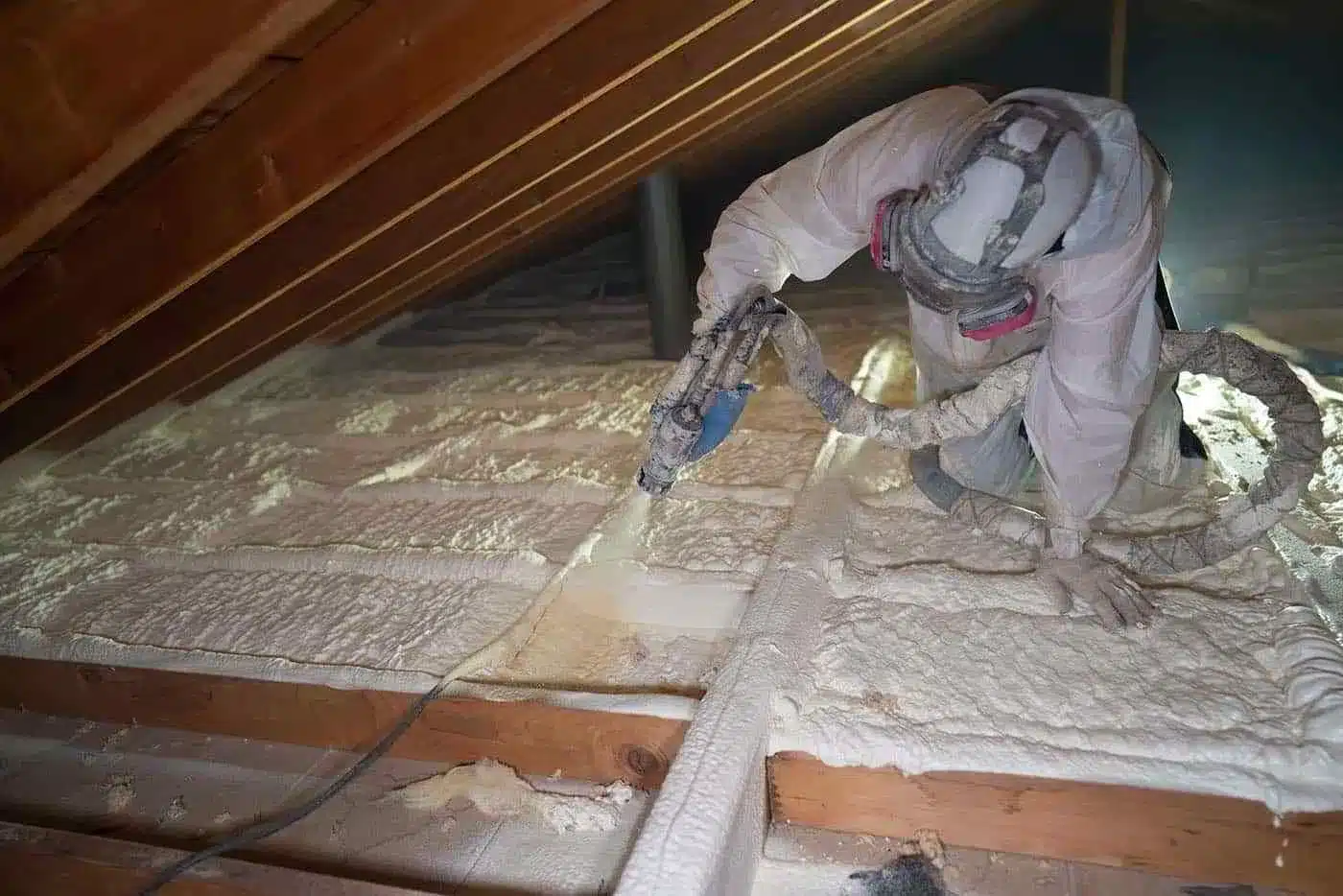
Sealing a Home Like a Professional
Fixing these leaks requires more than a tube of caulk. Professionals use a combination of diagnostic tools and specialized materials to create a durable and effective air barrier.
The Diagnostic Process
The first step is often a blower door test. This involves mounting a powerful, calibrated fan in an exterior doorway. The fan pulls air out of the house, lowering the air pressure inside. This pressure difference makes it easy to find leaks, as outside air whistles through them. An energy auditor can use the blower door along with an infrared camera to pinpoint the exact location and severity of every leak in the home's envelope. This data-driven approach takes the guesswork out of air sealing.
Materials and Methods
Professionals use different materials for different types of leaks. The goal is to choose the right product for the job to ensure a permanent seal.

- Good to Know: Professionals always use the right kind of caulk for the job. For gaps between two different materials, like wood trim and drywall, a flexible, paintable acrylic latex caulk is best. For outdoor use or gaps that might get wet, a durable silicone or polyurethane caulk is a better choice.

What to Consider Before You Begin Air Sealing
A whole-home air sealing project is a serious undertaking. Homeowners should think about their goals and the condition of their house before they start.
Scope of the Problem
Is your goal to fix one particularly drafty room, or do you want to improve the overall comfort and efficiency of your entire house? Small DIY projects can help with the first goal, but the second usually requires a more comprehensive, professional approach.
Your Home's Ventilation
As a home gets tighter, it's important to think about mechanical ventilation. A very tight home, usually one that has undergone professional air sealing to meet specific airtightness targets, might need a system like an Energy Recovery Ventilator (ERV) to ensure a steady supply of fresh air. This might sound counterintuitive, but it’s about controlling air exchange, not stopping it completely. A leaky house has uncontrolled ventilation; a tight house can have controlled, healthy ventilation.
Safety First
Working in attics and crawl spaces can be hazardous. These areas can have exposed wiring, sharp nails, and poor air quality. For large-scale projects, especially those involving the removal of old insulation, it’s often safest and most effective to hire a professional crew with the right training and safety gear.
Your Air Sealing Questions Answered
Why should I air seal before adding insulation?
They are equally important because they do different jobs. Air sealing stops air from moving, while insulation stops heat from moving. You need to do both for a truly efficient home. In fact, air sealing should always be done before adding new insulation.
How much can I really save by air sealing my home?
The Department of Energy estimates that the average homeowner can save 10-20% on their annual heating and cooling costs by completing a thorough air sealing project combined with adding insulation.
Will sealing my house cause moisture problems?
No, when done correctly, it helps control moisture problems. By stopping the uncontrolled flow of humid outside air into your home, air sealing helps your HVAC system manage indoor humidity levels more effectively.
Can I do a blower door test myself?
Blower door equipment is expensive and requires training to operate and interpret the results correctly. This is a diagnostic service that is best performed by a certified building analyst or home performance contractor.
What are the main benefits of air sealing besides stopping drafts?
A properly sealed home is not just more comfortable. It’s also quieter, has better indoor air quality because it keeps pollutants out, and has lower utility bills.
A Permanent Solution to a Common Problem
Chasing drafts around your house with a caulk gun is a battle you are unlikely to win. The real solution is to address the underlying physics of how your home operates. By focusing on the major air leakage points at the top and bottom of the house, you can stop the stack effect from driving those drafts in the first place. A comprehensive air sealing project is an investment that pays off with a more comfortable, healthier, and less expensive home to live in.
Get a Professional Home Performance Audit
The most effective way to develop a plan for your home is with a professional energy audit. An expert can use tools like a blower door and an infrared camera to show you exactly where your home is losing energy and create a prioritized list of improvements. For homeowners looking for this kind of detailed assessment, service providers like the team at Makeover Insulation specialize in this diagnostic work. They can be reached at (470) 664-5300 or by email at sales@makeoverinsulation.com for more information.
Reviewer: Ava Clark shared her input based on 6 years of working with spray foam insulation teams. Her focus on customer trust and communication helped shape key parts of this post.


