
Tips for maintaining oral health during cancer treatment
Cancer treatment can take a toll on your body, including your oral health. The various treatments of cancer, such as chemotherapy, radiation therapy etc., can impact oral health by causing discomfort, infections, and other complications. However, by adopting a proactive approach and following proper oral care practices, the potential risks can be minimized and good oral health throughout the cancer journey can be maintained. In this article, let’s discuss essential tips and guidelines for maintaining oral health during cancer treatment.
Maintain Consistent Oral Hygiene
Adhering to a regular oral hygiene routine, like brushing your teeth gently with a soft-bristled toothbrush and fluoride toothpaste at least twice a day, is more important. Your dentist may recommend using an antimicrobial mouthwash to prevent infections.
Consultation with Dental Professionals
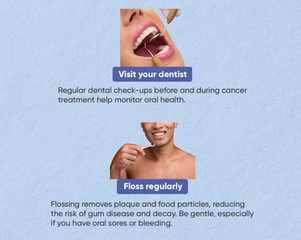
It is very important to consult with your oncologist and dentist before starting the cancer therapy. A thorough dental examination can identify existing dental issues and reduce the risk of complications.
Floss with Caution
If your platelet count is low due to treatment, flossing could lead to excessive bleeding. In such cases, consult your dentist for alternative oral hygiene methods that are safe for your condition.
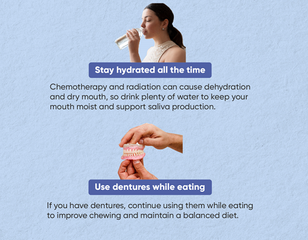
Stay Hydrated
Dry mouth Xerostomia is one of the common side effects of cancer treatment, where the mouth produces less saliva. Adequate hydration can help manage dry mouth symptoms. Sip water throughout the day and consider using sugar-free candies or gum to stimulate saliva production.
Maintain Denture Care
If you wear dentures, keep them clean and remove them at night. Clean them thoroughly and soak them in a denture solution. Ill-fitting dentures can cause sore spots, so seek adjustments if necessary.
Choose a Soft Diet
Certain cancer treatments can cause soreness or irritation in the mouth and throat. Include a soft diet consisting of mashed potatoes, soups, yogurt, and smoothies. Hot, spicy, deep-fried, acidic, and other cancer causing foods should be avoided, which can worsen discomfort.
Avoid Irritants
Substances like tobacco, alcohol, and caffeine irritate your oral tissues and interfere with the healing process during cancer treatment.
Manage Oral Discomfort
Oral moisturizers or gels can help alleviate dry mouth symptoms. Consult your healthcare team for suitable solutions, such as topical numbing gels or rinses, If you experience mouth sores.
Use a Soft-bristle Toothbrush
During cancer treatment, your gums may become very sensitive and prone to bleeding. Use a soft-bristle toothbrush and brush gently to avoid causing further irritation.
Regular Dental Check-ups
Regular visit to your dentist and dental check-ups helps in addressing any emerging issues and make recommendations based on your specific needs during cancer treatment.
Address Jaw Pain and Tension
Stress and tension can lead to jaw pain and teeth grinding (bruxism). If you experience these issues, your dentist might suggest approaches such as relaxation methods, the use of a nightguard, or other appropriate interventions.
Prevent Infections
Chemotherapy and radiation therapy generally weaken the immune system, which makes you more susceptible to infections. Maintain proper oral hygiene and avoid oral piercings to prevent bacterial growth and infections.
Communicate with Your Healthcare Team
Any changes in your oral health during cancer treatment, such as bleeding, ulcers, or discomfort, should be addressed promptly. Early intervention can prevent complications.
Be Cautious with Teeth Whitening
During cancer treatment, avoid teeth whitening procedures as they could potentially worsen oral sensitivity or irritation.
Maintain Emotional Well-being
Stress and anxiety can influence your oral health during cancer treatment. Engage in relaxation techniques, meditation, or counseling to manage your emotional well-being, which can indirectly contribute to maintaining oral health.
Conclusion
Maintaining oral health during cancer treatment requires vigilance, care, and collaboration with your healthcare team. By following these essential tips and guidelines, the impact of cancer therapies on your oral health can be minimized. Remember that open communication with your medical professionals is key, and a proactive approach to oral care can significantly contribute to your well-being throughout your cancer journey.


