
Why Millet Should Be a Staple in Your Pantry
Introduction
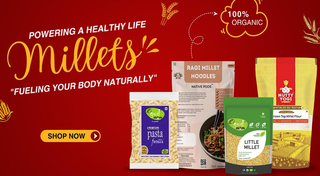
Millet, an ancient grain once overshadowed by wheat and rice, is making a strong comeback in modern kitchens worldwide. Rich in essential nutrients, gluten-free, and versatile in recipes, millet is quickly gaining recognition as a superfood. This small, round whole grain offers numerous health benefits that make it an ideal pantry staple. Whether you're looking for a healthier alternative to refined grains or a nutrient-dense option for weight management, millet checks all the boxes. In this article, we'll explore the nutritional benefits of millet, why it should be a staple in your pantry, and how to incorporate it into your diet effectively.
Understanding Millet: A Brief Overview
Before diving into the benefits, let’s understand what millet is. Millet is a group of small-seeded grasses that have been cultivated for thousands of years. It's commonly grown in Africa and Asia and comes in various types, including pearl millet, foxtail millet, finger millet, and proso millet, each with its unique properties and nutritional profiles.
Types of Millet:
- Pearl Millet: High in iron and fiber, known for its robust taste.
- Foxtail Millet: Rich in protein, calcium, and fiber.
- Finger Millet: Packed with calcium, making it excellent for bone health.
- Proso Millet: Low in fat and calories, ideal for weight loss.
Nutritional Benefits of Millet
Millet is not only versatile but also packed with an array of nutrients that contribute to overall health. Let’s take a closer look at some of the key nutritional benefits:
1. Rich Source of Essential Nutrients
Millet is a powerhouse of essential nutrients that your body needs for optimal functioning.
- High in Protein: Millet contains up to 12-15% protein, making it a good option for vegetarians and vegans looking to increase their protein intake.
- Packed with Fiber: With a high fiber content, millet helps in maintaining digestive health, preventing constipation, and promoting a feeling of fullness.
- Loaded with Vitamins and Minerals: Millet is rich in B vitamins (like niacin, B6, and folic acid) and essential minerals such as iron, magnesium, phosphorus, and potassium.
2. Supports Heart Health
Millet is beneficial for maintaining a healthy heart due to its rich nutrient profile.
- Reduces Cholesterol Levels: The high fiber content in millet helps lower bad cholesterol (LDL) levels in the blood.
- Regulates Blood Pressure: Being rich in magnesium and potassium, millet helps regulate blood pressure and prevent hypertension.
- Antioxidant Properties: Millet contains antioxidants like quercetin and selenium, which help neutralize free radicals and reduce oxidative stress, a contributor to heart disease.
3. Aids in Weight Management
Including millet in your diet can help manage weight effectively.
- Low in Calories: Millet is lower in calories compared to refined grains, making it a great option for those aiming to lose weight.
- Keeps You Full for Longer: The high fiber content in millet promotes satiety, reducing hunger pangs and preventing overeating.
- Boosts Metabolism: The magnesium in millet helps regulate enzymes responsible for carbohydrate digestion and energy production, aiding in efficient metabolism.
4. Good for Digestive Health
Millet's high fiber content offers multiple benefits for digestive health.
- Promotes Regular Bowel Movements: The insoluble fiber in millet adds bulk to the stool, preventing constipation.
- Supports Gut Health: Millet acts as a prebiotic, feeding beneficial bacteria in the gut, which promotes a healthy digestive system.
- Reduces Acid Reflux: Being alkaline, millet can help reduce acidity in the stomach, offering relief from acid reflux.
5. Suitable for Gluten-Free Diets
Millet is naturally gluten-free, making it an excellent choice for people with gluten intolerance or celiac disease.
- Safe for Celiac Disease Patients: Millet is safe for those with celiac disease or gluten sensitivity.
- Versatile in Gluten-Free Cooking: Millet flour can be used to make bread, pancakes, and other gluten-free baked goods.
6. Promotes Bone Health
Millet is rich in calcium, magnesium, and phosphorus, which are essential for maintaining strong bones.
- High Calcium Content: Particularly in finger millet, which provides more calcium than any other cereal grain.
- Supports Bone Density: Magnesium and phosphorus play a vital role in bone density and strength, reducing the risk of osteoporosis.
How to Incorporate Millet into Your Diet
Millet is incredibly versatile and can be included in your diet in various ways.
1. Millet as a Breakfast Option
Start your day with a nutrient-packed breakfast by including millet.
- Millet Porridge: Prepare a warm millet porridge with milk, honey, and fruits for a wholesome breakfast.
- Millet Pancakes: Use millet flour to make delicious gluten-free pancakes.
- Millet Granola: Add popped millet to homemade granola for added crunch and nutrition.
2. Millet in Main Meals
Millet can replace rice or pasta in many dishes, adding a nutritious twist to your meals.
- Millet Salad: Combine cooked millet with fresh vegetables, herbs, and a light dressing for a refreshing salad.
- Millet Pilaf: Cook millet with spices, vegetables, and broth for a flavorful pilaf.
- Millet Stew: Add millet to soups and stews to make them more filling and nutritious.
3. Millet as a Snack
Millet can be used to make healthy snacks that are both delicious and satisfying.
- Millet Crackers: Make homemade millet crackers with millet flour, olive oil, and herbs.
- Millet Energy Bars: Combine millet with nuts, seeds, and dried fruits to make energy bars.
- Roasted Millet: Roast millet with spices for a crunchy, savory snack.
Tips for Buying and Storing Millet
To get the most out of millet, it's essential to choose the right type and store it properly.
1. Buying Tips
- Look for Freshness: Buy millet that looks fresh and has a uniform color.
- Check the Packaging Date: Choose millet that is packaged recently to ensure its freshness.
- Opt for Organic Millet: When possible, opt for organic millet to avoid pesticide residues.
2. Storing Tips
- Store in an Airtight Container: Keep millet in an airtight container in a cool, dry place.
- Refrigerate for Longevity: To extend its shelf life, store millet in the refrigerator, especially in warm climates.
- Use Within Six Months: For the best flavor and nutritional benefits, use millet within six months of purchase.
Conclusion
Millet is more than just a nutritious grain—it's a versatile and valuable addition to any diet. With its impressive nutrient profile, millet supports heart health, aids in weight management, promotes digestive health, and is ideal for gluten-free diets. By incorporating millet into your daily meals, you can enjoy its numerous health benefits while adding variety and flavor to your diet. Make millet a staple in your pantry today and take a step towards a healthier lifestyle.
Remember, whether you enjoy it as a breakfast porridge, a hearty salad, or a light snack, millet is a grain that can nourish your body and delight your taste buds. So, stock up on millet and start reaping its benefits!


