Automated Payment Solutions for Streamlined Invoicing!
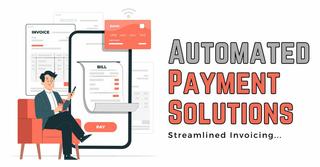
In today’s fast-paced business world, staying on top of invoices and payments can be challenging. Late payments affect cash flow and can create additional administrative burdens. To combat this, many businesses are turning to automated payment solutions that streamline invoicing, reduce human error, and ensure payments are made on time. This not only improves operational efficiency but also helps build stronger relationships with clients.
In this blog, we’ll explore what automated payment solutions are, the benefits they offer, and how they ensure on-time payments, helping businesses optimize their payment processes in 2024.
What Are Automated Payment Solutions?
Automated payment solutions refer to software systems and tools designed to handle the process of billing, invoicing, and collecting payments without manual intervention. These systems typically integrate with your accounting or invoicing software and automatically generate and send invoices, set payment reminders, and process payments once they are received. They can also track payment statuses, flag overdue invoices, and automate follow-ups.
The key feature is automation, which reduces the time and effort associated with managing accounts payable and receivable. Instead of manually tracking who owes what and when payments are due, these systems handle everything from start to finish.
Key Features of Automated Payment Solutions —
- Invoice Generation:
- Automatically generate invoices based on predefined terms and contract agreements. This can include recurring invoices, one-time invoices, or customized invoices for different clients.
- Payment Tracking:
- Real-time tracking of payments allows businesses to see which invoices have been paid, which are overdue, and which clients need follow-up reminders.
- Automated Reminders:
- Automated systems send reminders to clients before payment due dates. This ensures that clients are aware of upcoming payments, significantly reducing late payments.
- Secure Payment Processing:
- Many automated payment solutions integrate secure payment gateways, allowing clients to make payments directly through the invoice, whether via credit card, bank transfer, or eCheck.
- Recurring Payments:
- For businesses that rely on subscription models or recurring billing, automated solutions enable automatic payment processing at regular intervals, eliminating the need for manual invoicing each month.
- Integration with Accounting Software:
- Automated payment systems often integrate seamlessly with accounting software like QuickBooks, Xero, and others, ensuring that financial records are automatically updated in real-time.
How Automated Payment Solutions Streamline Invoicing —
1. Reducing Manual Labor:
Manual invoicing requires time and resources—time that could be spent growing the business. With automation, once an invoice is created, the system handles the rest. By reducing manual data entry, businesses can save significant time and reduce errors. This also allows employees to focus on high-priority tasks rather than chasing down invoices and payments.
2. Minimizing Human Errors:
Invoicing errors can lead to misunderstandings, delayed payments, or even missed payments altogether. Automated solutions ensure that invoices are generated correctly and consistently. For example, if your client requires specific details on their invoice, such as project numbers or PO numbers, these details can be automatically populated, reducing the chance for costly errors.
3. Improving Cash Flow:
One of the most significant benefits of automated payment solutions is improved cash flow. With invoices automatically sent on time and reminders set up to prompt clients for payment, the system helps reduce payment delays. Timely payments ensure that your business maintains a healthy cash flow, which is essential for covering operational expenses, reinvesting in growth, and staying competitive.
4. Enhancing Client Relationships:
Automated payment systems make the invoicing process smoother for clients. They receive clear, professional invoices, reminders before the payment due date, and easy-to-use payment portals. Clients appreciate the ease of paying electronically without manual steps, making it more likely they will pay on time.
Additionally, automated systems reduce the need for awkward follow-ups on late payments, as the system sends polite, automatic reminders. This reduces tension between your team and your clients.
How Automated Payment Solutions Ensure On-Time Payments —
1. Set Up Payment Reminders:
One of the main reasons businesses experience late payments is that clients forget about their due dates. Automated payment systems send timely reminders to clients as payment deadlines approach, giving them plenty of notice to settle invoices.
For recurring invoices, these reminders can be tailored based on client preferences, such as weekly, monthly, or bi-monthly intervals, ensuring that no payment goes unnoticed.
2. Late Payment Penalties and Incentives:
To encourage on-time payments, many businesses use automated systems to apply late payment penalties or offer early payment incentives. Automated payment solutions can be programmed to send reminders when invoices are overdue and automatically apply late fees or interest if a payment is missed. Similarly, offering a discount for early payments can incentivize clients to pay ahead of schedule.
3. Integrating Multiple Payment Options:
Automated payment solutions usually integrate with a range of payment methods, giving clients flexibility in how they pay. Whether it’s through credit cards, ACH transfers, eChecks, or even mobile payments, clients are more likely to make timely payments when they have convenient options available.
Moreover, offering multiple payment methods removes friction from the payment process, making it easier for clients to fulfill their financial obligations.
4. Recurring Billing for Subscription-Based Models:
If your business relies on subscription-based services, recurring billing is a key feature of automated payment solutions. Recurring payments automatically deduct the agreed-upon amount from the client’s preferred payment method at regular intervals. This ensures that payments are made on time and reduces the administrative work involved in generating recurring invoices manually.
Benefits of Automated Payment Solutions —
- Time Savings: Automating invoicing saves hours of manual work each week.
- Reduced Errors: Eliminate human error from the invoicing process.
- Faster Payments: Timely reminders and easy payment methods encourage clients to pay on time.
- Improved Cash Flow: Regular, on-time payments help maintain a steady cash flow.
- Better Client Relations: A seamless payment process results in happier clients.
Conclusion —
Automated payment solutions are transforming the way businesses handle invoicing and payments. By streamlining the entire process, reducing manual labor, and ensuring on-time payments, these solutions offer a competitive edge. Whether you're managing a small business or a large enterprise, automated payment systems can help you maintain a healthy cash flow, improve client relationships, and free up valuable time for growth.
As we move through 2024 and beyond, adopting an automated payment solution is not just a convenience—it's a necessity for businesses aiming to thrive in a fast-paced, digital-first economy.

