
The Ultimate Guide to Rexroth Pumps: Everything You Need to Know
What is a Rexroth Hydraulic Pump and How Does it Work?
A Rexroth hydraulic pump is a precisely engineered fluid power component that converts mechanical energy into hydraulic fluid flow and pressure for powering industrial machinery. Inside the pump, a series of pistons draw low-pressure fluid from a reservoir into a cylinder block as they move back and forth. The fluid gets trapped as the pistons move forward, creating flow that gets intensified to high pressures capable of doing significant work.
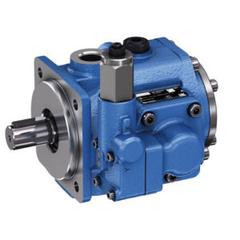
Rexroth offers many pump configurations optimized for factors like installation space, noise level, and efficiency. But all Rexroth pumps provide the reliable and versatile hydraulic power vital for controlling heavy loads.
Understanding the Key Features and Advantages of Rexroth Hydraulic Pumps
Trusted for quality and innovation for over 50 years, Rexroth hydraulic pumps provide:
• Robustness: Durable designs withstand harsh conditions and contamination
• Precision: Consistent pressures and flow rates enable accurate load control
• Efficiency: Engineered for better energy utilization and heat dissipation
• Controllability: Advanced models allow variable displacement for flow adjustment
• Quiet Operation: Low noise models ideal for sensitive work environments
• Compactness: Space-saving envelope designs maximize flexibility
The Different Types and Applications of Rexroth Hydraulic Pumps
Rexroth offers extensive pump configurations and options. Common types include:
Axial Piston Pumps: Provide high pressures in compact, multi-functioning designs ideal for challenging mobile uses.
Gear Pumps: Reliable internal gear models offering simple operation widely used across industries.
Vane Pumps: Fixed or variable vane designs used in lighter industrial duties.
Piston Pumps: Robust external gear pumps capable of very high pressures suited for intensive demands.
How to Select the Right Rexroth Hydraulic Pump for Your Specific Needs
Choosing the ideal Rexroth hydraulic pumps depends on:
• Application requirements: Load capacity needs, desired pressures/flow rate, operating speeds, and efficiency goals.
• Installation factors: Available space and orientation limitations, environmental conditions, desired noise level.
• Functional demands: Degree of flow/pressure adjustability needed and desired pump controls.
The wide Rexroth model range allows catering pumps precisely to individual hydraulic system needs for optimal performance.
Tips for Proper Maintenance and Troubleshooting of Rexroth Hydraulic Pumps
To sustain trouble-free operation:
• Perform regular oil changes/filtration to avoid internal wear from particulates
• Ensure shaft alignment and check pump/motor couplings for issues
• Watch for high operating temperatures, pressure variations and abnormal noise
• Test pump flow rate/pressure periodically to catch early signs of wear
Following Rexroth maintenance specs and identifying problems early on maximizes hydraulic pump reliability and lifespan.
Following Rexroth maintenance specs allows their hydraulic pumps to sustain reliability when powering components like Rexroth Hydraulic Motors. Identifying issues early on maximizes lifespan.

