
Emergency Responder Communication Systems
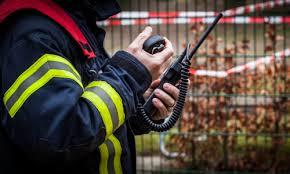
In emergencies, the ability to communicate seamlessly can be a matter of life and death. Emergency responder communication systems are the backbone of effective coordination, ensuring that first responders—firefighters, police officers, paramedics, and other critical personnel—can stay connected even in the most challenging environments. As urban landscapes grow more complex and technology advances, these systems have evolved into sophisticated networks designed to overcome obstacles like signal interference, structural barriers, and regulatory demands. This article explores the critical role of emergency responder communication systems, their components, importance, challenges, and future trends, emphasizing their indispensable contribution to public safety.
What Are Emergency Responder Communication Systems?
Emergency responder communication systems are specialized infrastructures designed to provide reliable, uninterrupted communication for first responders during crises. These systems encompass a range of technologies, including two-way radios, Distributed Antenna Systems (DAS), repeaters, and advanced wireless networks, all tailored to ensure coverage in environments where standard communication might fail. Unlike commercial communication networks focused on public use, these systems prioritize the needs of emergency personnel, delivering robust signal strength and clarity in high-stakes situations.
At their core, these systems address the unique challenges faced by responders, such as operating in dense urban buildings, underground tunnels, or remote rural areas. For instance, a Distributed Antenna System (DAS)—a key component in many setups—captures external wireless signals, amplifies them, and redistributes them indoors, ensuring coverage in areas with weak signals, like basements or concrete-heavy structures. Together, these technologies form a lifeline for responders, enabling them to coordinate efforts, request assistance, and execute life-saving operations.
Why Are Emergency Responder Communication Systems Important?
The significance of these communication systems lies in their ability to bridge gaps that could otherwise hinder emergency response. First responders rely on real-time information to assess situations, direct resources, and protect lives. Without reliable communication, chaos can ensue, delaying critical interventions. Emergency responder communication systems deliver several key benefits:
- Uninterrupted Connectivity: They eliminate dead zones in challenging environments, ensuring responders stay connected regardless of location.
- Regulatory Compliance: Many jurisdictions mandate robust communication systems under standards like the National Fire Protection Association (NFPA) and International Fire Code (IFC), making them a legal necessity.
- Enhanced Safety: Clear communication fosters better coordination, reducing risks to responders and the public.
- Adaptability: Modern systems are designed to evolve with emerging technologies, ensuring long-term reliability.
In high-rise buildings, hospitals, or transportation hubs, where structural materials often block signals, these systems are not just helpful—they’re essential. A single communication failure could mean the difference between a successful rescue and a tragic outcome.
How Emergency Responder Communication Systems Work
The functionality of these systems hinges on a combination of hardware and strategic design. A typical setup includes several core components:
- Base Stations or Donor Antennas: These capture external signals from public safety radio networks or cellular towers.
- Amplifiers (e.g., Bi-Directional Amplifiers or BDAs): Weak signals are boosted to ensure they penetrate buildings or remote areas.
- Distribution Networks: Coaxial cables, fiber optics, or wireless repeaters carry amplified signals to key locations.
- End-Point Devices: Indoor antennas, portable radios, or mobile units deliver the signal to responders.
For example, in a Public Safety DAS, a donor antenna on a building’s roof captures a signal, which is then amplified by a BDA and distributed via a network of indoor antennas. This ensures coverage in stairwells, basements, and other hard-to-reach areas. Some systems also integrate backup power sources, like batteries or generators, to maintain operation during outages—a critical feature in prolonged emergencies.
Regulatory Compliance in Emergency Communication
Compliance with safety regulations is a driving force behind the deployment of these systems. Two primary standards govern their implementation:
- NFPA 1221: This outlines requirements for the installation, maintenance, and performance of emergency communication systems, emphasizing reliability and accessibility.
- IFC 510: This mandates in-building radio coverage for first responders, specifying signal strength and system redundancy.
Non-compliance can result in fines, legal liabilities, or, worse, compromised safety during a crisis. Local jurisdictions often enforce additional codes, tailoring requirements to regional risks like earthquakes or hurricanes. Regular testing and certification are also required to ensure systems meet these standards over time.
Key Features of Emergency Responder Communication Systems
These systems are engineered with features that prioritize resilience and functionality:
- Reliability: Designed to operate under extreme conditions, such as fires or power failures.
- Scalability: Easily expanded to cover larger areas or additional frequencies as needs grow.
- Redundancy: Backup systems ensure continuous operation during disruptions.
- Real-Time Monitoring: Automated alerts detect and address signal issues instantly.
- Frequency Compatibility: Support for VHF, UHF, and 700/800 MHz bands used by public safety agencies.
These attributes make the systems adaptable to diverse scenarios, from urban skyscrapers to sprawling rural landscapes.
Industries Relying on Emergency Responder Communication Systems
A wide range of sectors depend on these systems to safeguard lives and property:
- Healthcare: Hospitals need reliable communication for mass casualty events or evacuations.
- Education: Schools and universities use them to protect students during lockdowns or natural disasters.
- Commercial Real Estate: Office towers and malls require them for compliance and occupant safety.
- Transportation: Airports, train stations, and tunnels rely on them for emergency coordination.
- Hospitality: Hotels and event venues use them to manage large crowds and rapid evacuations.
Each industry faces unique challenges, but the goal remains the same: ensuring responders can act swiftly and effectively.
Future Trends in Emergency Responder Communication Systems
The future of these systems is shaped by technological innovation:
- 5G Integration: Faster, more reliable networks enhance data sharing and real-time updates.
- IoT Connectivity: Smart sensors and devices improve situational awareness for responders.
- AI Analytics: Predictive tools optimize system performance and maintenance.
- Disaster Resilience: Enhanced designs withstand extreme weather or infrastructure damage.
These advancements promise to make communication systems more robust, responsive, and adaptable to tomorrow’s challenges.
A Vital Investment in Public Safety
Emergency responder communication systems are more than technological tools—they’re a commitment to safety and preparedness. By ensuring first responders can communicate effectively, these systems save lives, protect communities, and uphold regulatory standards. Whether in a bustling city or a remote outpost, their value is undeniable. Investing in them is not just a legal obligation but a moral imperative, reinforcing the foundation of emergency response in an increasingly complex world.

