
Two‑Way Radio Systems for Public Safety: Keeping Communities Safe
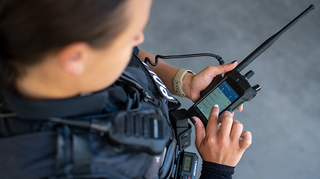
When lives are on the line, communication is everything. In high‑pressure scenarios—from multi‑vehicle pileups to natural disasters—reliable, instant, and secure communication can mean the difference between life and death. That’s why two‑way radio systems for public safety are indispensable tools for police, firefighters, emergency medical services (EMS), and other first responders.
In this article, we’ll explore how these systems work, their critical features, why they’re preferred over alternatives, deployment challenges, and the evolution of public‐safety communications in the digital age.
Why Reliable Communication Is Non‑Negotiable
Imagine a sprawling music festival. Thousands of attendees, multiple entrances, food vendors, medical tents—and suddenly, a medical emergency arises. EMS, event security, police, and event staff must coordinate effectively. Any communication breakdown leads to response delays and potential danger.
Two‑way radio systems for public safety provide:
- Real‑time voice communication with zero dialing delay via push‑to‑talk (PTT).
- Priority channel access, even when cellular networks are overloaded.
- Resilient coverage in urban canyons, rural areas, tunnels, and disaster zones.
- Secure voice encryption to protect sensitive information.
- Built‑in GPS tracking, enabling rapid location sharing of responders.
These systems are purpose‑built to endure high noise, harsh weather, and physical impact—delivering performance where smartphone apps can’t.
How Two‑Way Radio Systems Operate
At their essence, these systems link handheld radios and mobile units via radio signals to create a fast, reliable communications network—independent from landlines or cellular service.
Core components include:
- Portable and mobile radios – ruggedized devices, with analog or digital capability.
- Base stations and repeaters – amplify signals to blanket wide or hard‑to‑reach areas.
- Dispatch consoles – centralized hubs enabling call routing, monitoring, and communication logging.
- Backhaul networks – fiber, microwave or IP links connecting infrastructure.
- End‑to‑end encryption modules – ensuring secure, authorized communication.
When a responder presses PTT, the radio signals the repeater or base station, which then broadcasts it across the network. Receivers tuned to that channel hear the message instantly—critical for coordinated response.
Modern Features That Enhance Safety
Today’s two‑way radio systems provide far more than basic voice:
- Digital audio clarity & noise cancellation—essential in chaotic scenes.
- Voice & data integration—supporting text alerts, status messages, and dispatch tones.
- GPS location tracking—visualizing responder positions on dashboards.
- Man‑down and lone‑worker alerts—automated SOS if an officer is incapacitated.
- Secure encryption—protecting against eavesdropping and hostile interception.
- Scalable architecture—from single sites to statewide networks.
- Interoperability—bridging frequencies and agencies seamlessly.
This versatility ensures two‑way radios remain central to public safety, even as cellular backup solutions have grown.
Advantages Over Alternatives
Why don’t agencies rely solely on smartphones or mobile apps?
- Faster, more reliable: PTT offers instantaneous communication with guaranteed delivery, while cellular networks may lag or fail under strain.
- Dedicated spectrum: Communications aren’t subject to congestion or usage caps.
- Durability: Devices can survive drops, heat, moisture, and contaminants.
- Security: In-house encryption avoids third‑party exposure.
- Coverage: Custom infrastructure ensures signals in remote, indoor, or underground areas.
In emergencies, these advantages translate directly into saved time—and lives.
Tailoring Systems for Unique Needs
Every agency and environment presents unique demands:
- A urban police force might need dense coverage in underground parking garages and high‑rise interiors.
- A rural fire department must cover forested terrain and remote villages.
- A transit agency operates across city, subway, and tunnel networks.
That’s why when the mission is critical®, solutions must be tailored. PMC Wireless exemplifies this approach: tech‑agnostic, experienced in government, and custom‑designing radio systems that fit each client’s needs—without wasteful, “one‑size‑fits‑none” deployments.
Deployment Challenges to Anticipate
Implementing or upgrading systems brings logistics, finance, and compliance hurdles:
1. Spectrum Allocation
Frequencies are finite; coordination ensures no interference and regulatory compliance.
2. Infrastructure Investment
Towers, repeaters, power backups, dispatch consoles—all require significant capital and operating budgets.
3. Training Commitment
Equipment is only as reliable as its user. Agencies must budget for training programs and ongoing refreshers.
4. Migration Planning
Introducing new digital systems requires careful transition planning—run dual‑mode, migrate channels, and retire old systems without gaps.
5. Grant and Budget Navigation
Funding often comes from federal grants (e.g., Homeland Security, FEMA). Agencies must align infra investments accordingly.
Looking Ahead: Digital, LTE & Broadband Integration
The communications landscape is evolving:
- LMR-to-LTE gateways offer hybrid solutions—radios connect to dispatch over LTE.
- Push‑to‑Talk over Cellular (PoC) apps expand flexibility when cellular is available.
- 5G‑enabled mission-critical broadband is emerging for high‑bandwidth data (video, telemetry) in the field.
However, traditional two‑way radio remains irreplaceable—offering unmatched reliability, instant access, and encryption. Modern systems now smartly complement, rather than replace, broadband assets.
Best Practices for Agencies
- Conduct a Needs Analysis — Define coverage, capacity, environmental and interoperability goals.
- Perform RF Surveys — Drive or walk routes to assess signal strength and coverage gaps.
- Design for Redundancy — Add backup power and failover systems.
- Ensure Interoperability — Plan bridges and gateways to other agencies and frequency bands.
- Train Continuously — Participate in drills and tabletop exercises using equipment under realistic conditions.
- Maintain Infrastructure — Routine tests, software updates, tower inspections, and backup verification.
- Upgrade Strategically — Plan for integration of LTE & digital evolution, without sacrificing current reliability.
Conclusion
Two‑way radio systems for public safety remain the foundation of critical‑incident communication. Their resilience, instant access, encryption, and interoperability give first responders the edge they need when seconds matter most.
While broadband, LTE, and app‐based tools offer useful data capabilities, they can’t supplant the immediacy and reliability of traditional radio. With proper engineering, training, and foresight, agencies can deploy tailored, future‑ready systems that keep pace with modern demands—without compromising the mission‑critical backbone.
If your organization is evaluating upgrade paths or considering hybrid deployments, engaging an experienced, tech‑agnostic integrator like PMC Wireless can ensure your solution is precisely tuned to your environment and budget—because every mission is unique, and no responder should ever wonder if they’ll be heard when they press PTT.
FAQs
1. What makes two‑way radios better than smartphones in emergencies?
Radios offer instant push‑to‑talk, operate on dedicated spectrum (uncongested, with priority access), and are built for harsh environments—with encryption and battery life built for critical use.
2. Can existing analog radios be upgraded to digital?
Yes. Agencies can deploy dual‑mode systems to mix analog and digital while transitioning. Repeaters and dispatch consoles can often support both modes.
3. Is encryption necessary for public safety radios?
Absolutely. Encryption prevents eavesdropping on sensitive operational communication. Federal standards require encryption for many agencies.
4. Will two‑way radios work during power outages or disasters?
Yes—if towers have backup power (fuel, generators, solar). Handheld radios retain limited power for hours or days depending on battery capacity.
5. Can LTE and 5G replace conventional two‑way radios?
Not fully. While broadband enables video and high‑data apps, it can be unreliable under load or outage conditions. Radios still offer the most critical instant, resilient communication backbone.


