
Hollow Fiber Membrane Spinning Machine: Filtration Technology
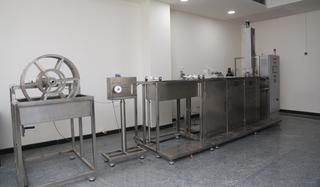
In the field of industrial filtration, hollow fiber membranes are playing a crucial role due to their high efficiency, versatile applications, and cost-effectiveness. The hollow fiber membrane spinning machine is a key technology used to produce these specialized membranes, which are integral in applications such as water treatment, medical devices, and air purification. This article explores the functioning, applications, advantages, and key features of hollow fiber membrane spinning machines, which are driving advancements in filtration technology.
What is a Hollow Fiber Membrane Spinning Machine?
A hollow fiber membrane spinning machine is an industrial device used to produce hollow fiber membranes, which are a type of filtration material. These membranes are made from polymer fibers that are extruded into cylindrical shapes with a hollow core, allowing for high surface area and optimal filtration performance. The spinning machine controls various factors, such as polymer solution concentration, extrusion speed, and fiber stretching, to produce hollow fibers with the desired characteristics, such as pore size and permeability.
The spinning machine plays an essential role in creating high-quality hollow fiber membranes that are used in a wide range of industries, including water treatment, pharmaceuticals, food and beverage, and medical filtration. The versatility of hollow fiber membranes makes them highly sought after for both large-scale industrial applications and small-scale pilot production.
How Does a Hollow Fiber Membrane Spinning Machine Work?
The process of producing hollow fiber membranes involves several crucial steps, all of which are managed by the hollow fiber membrane spinning machine. Here’s a detailed breakdown of how the machine works:
Polymer Solution Preparation:
The process starts by preparing a polymer solution, typically made from polymers like polysulfone (PSF), polyethersulfone (PES), or polyvinylidene fluoride (PVDF). These polymers are dissolved in a solvent to create a viscous solution with specific properties suitable for membrane formation.
Extrusion through Spinneret:
The polymer solution is then pumped through a spinneret, which is a device that has multiple tiny holes arranged in a specific pattern. As the solution is extruded, it forms continuous fibers with a hollow center. The diameter of the fiber and the hollow core is adjustable depending on the application requirements.
Coagulation:
Once the fibers are extruded, they are passed through a coagulation bath. The bath typically contains water or a chemical solution that causes the polymer to solidify. This process forms the membrane structure and helps shape the fiber’s physical characteristics.
Stretching and Drawing:
After coagulation, the fibers are stretched to improve their mechanical properties and alignment of polymer chains. This step increases the fiber’s tensile strength and enhances its filtration capabilities. The degree of stretching is adjusted to control the thickness and porosity of the membrane.
Cooling:
The fibers are then cooled to stabilize the structure and prevent deformation. Cooling also helps remove any residual solvent from the polymer solution, which ensures that the final product is ready for further processing.
Drying and Winding:
After cooling, the hollow fibers are dried to eliminate moisture and any remaining solvent traces. The fibers are then wound onto spools or bobbins for easy storage and transportation to the next stage of processing.
Post-Processing and Quality Control:
The hollow fibers may undergo additional post-processing steps, such as surface treatment or coating, to enhance their properties. During the entire process, the spinning machine ensures that the membranes meet stringent quality control standards, such as uniform diameter, porosity, and strength.
Applications of Hollow Fiber Membranes
Hollow fiber membranes produced by spinning machines are used in a variety of critical applications due to their excellent filtration and separation properties. Here are some of the key industries and applications where hollow fiber membranes are utilized:
Water Treatment:
Hollow fiber membranes are widely used in water filtration systems, including reverse osmosis (RO) and ultrafiltration (UF). They are effective in removing contaminants such as bacteria, viruses, salts, and suspended particles from water, making them ideal for municipal water treatment, desalination, and wastewater treatment.
Medical and Healthcare:
Hollow fiber membranes are integral in dialysis machines, where they perform blood filtration by removing waste products and excess fluid from a patient’s bloodstream. The high surface area and selective permeability of hollow fiber membranes make them ideal for medical filtration applications like hemodialysis and plasma separation.
Food and Beverage Industry:
In the food and beverage industry, hollow fiber membranes are used for microfiltration and ultrafiltration. These membranes help separate fine particles, bacteria, and other contaminants from liquids like milk, fruit juices, and wine. They are also used in processes like concentration and purification of food products.
Pharmaceutical Industry:
In pharmaceutical manufacturing, hollow fiber membranes are used for sterilization and purification of drugs, vaccines, and biologics. These membranes can filter out impurities and contaminants, ensuring the safety and efficacy of pharmaceutical products.
Air and Gas Filtration:
Hollow fiber membranes are also used in air filtration systems, particularly in industrial settings where high-efficiency filtration is required. They are capable of separating dust particles, aerosols, and gases from air streams, making them suitable for applications in chemical processing, environmental monitoring, and pollution control.
Advantages of Hollow Fiber Membrane Spinning Machines
Hollow fiber membrane spinning machines offer several benefits that make them essential for the production of high-quality filtration membranes. Here are the main advantages:
High Filtration Efficiency:
The hollow fiber structure provides a large surface area relative to its volume, allowing for efficient filtration. The membranes are capable of filtering out microscopic particles, bacteria, and even viruses, which makes them suitable for a wide range of filtration applications.
Customization of Membrane Properties:
The spinning machine allows for precise control over the membrane’s properties, including pore size, fiber diameter, and porosity. This customization ensures that hollow fiber membranes can be tailored to meet specific application requirements, such as water filtration or medical use.
Cost-Effectiveness:
Hollow fiber membrane spinning machines are capable of producing membranes at high throughput and relatively low cost, making them a cost-effective solution for large-scale industrial applications. The continuous production process minimizes waste and optimizes the use of raw materials.
Scalability:
The production process is highly scalable, making it suitable for both small-scale laboratory production and large-scale manufacturing. This flexibility makes hollow fiber membrane spinning machines ideal for a range of industries, from research and development to commercial production.
Durability and Strength:
The mechanical strength and flexibility of the hollow fibers are significantly enhanced during the stretching and drawing process. This makes the resulting membranes durable and resistant to wear, even under high-pressure conditions.
Key Features of Hollow Fiber Membrane Spinning Machines
When selecting a hollow fiber membrane spinning machine, several key features should be considered to ensure optimal performance:
Precision Control:
The machine should provide precise control over key parameters such as polymer solution concentration, extrusion speed, and fiber stretching. This ensures that the resulting membranes meet the required specifications for a particular application.
High Throughput:
A good spinning machine should be capable of producing large quantities of high-quality membranes at a consistent rate, which is essential for large-scale industrial applications.
Post-Processing Capabilities:
The spinning machine should be equipped with capabilities for post-processing steps, such as drying, winding, and surface treatment. This helps ensure the membranes are ready for use or further customization.
Ease of Maintenance:
Hollow fiber membrane spinning machines should be easy to maintain, with accessible parts and clear guidelines for cleaning, calibration, and troubleshooting.
FAQs About Hollow Fiber Membrane Spinning Machines
1. What types of polymers are used in hollow fiber membranes?
Common polymers used in hollow fiber membranes include polysulfone (PSF), polyethersulfone (PES), polyvinylidene fluoride (PVDF), and cellulose acetate. These polymers are chosen based on their chemical resistance, mechanical strength, and compatibility with the desired filtration application.
2. How do hollow fiber membranes improve filtration efficiency?
Hollow fiber membranes have a unique structure with a hollow core and high surface area, which allows for increased flow rates while maintaining effective filtration. The fibers can filter out fine particles, bacteria, viruses, and other contaminants efficiently.
3. Can hollow fiber membranes be customized for different applications?
Yes, hollow fiber membranes can be customized by adjusting their pore size, fiber diameter, and material properties. This allows manufacturers to create membranes suited for specific filtration needs, such as water treatment, medical filtration, or gas separation.
4. What are the environmental benefits of hollow fiber membranes?
Hollow fiber membranes provide efficient filtration with lower energy consumption compared to traditional filtration methods, such as sand filtration or activated carbon. This makes them an environmentally friendly solution for water treatment and other applications.
5. How do hollow fiber membranes contribute to medical applications?
In medical applications, hollow fiber membranes are used in dialysis machines to filter waste products and excess fluids from the blood of patients with kidney failure. The membranes' high surface area and selective permeability make them ideal for such critical applications.
Conclusion
The hollow fiber membrane spinning machine is an essential piece of equipment for producing high-performance filtration membranes used across various industries. Its ability
to create customizable, durable, and efficient hollow fiber membranes has revolutionized water treatment, medical devices, and air filtration. As demand for filtration technology continues to grow, hollow fiber membrane spinning machines will remain at the forefront of innovation, providing sustainable solutions to meet the challenges of modern filtration needs.

