
Somatic Cell Count Analyzer: Enhancing Milk Quality Monitoring
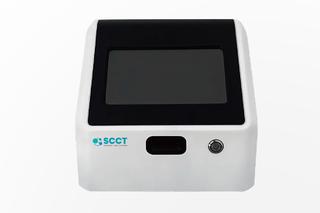
In the dairy industry, ensuring milk quality is essential for consumer safety, product quality, and regulatory compliance. One of the most critical indicators of milk quality is the somatic cell count (SCC), which reflects the health of the dairy cow and the cleanliness of the milk. A somatic cell count analyzer is a vital tool used by dairy farmers, veterinarians, and milk processors to measure SCC levels in milk. This technology provides real-time, accurate results, enabling timely interventions and improved herd health management. In this article, we will explore what a somatic cell count analyzer is, how it works, its benefits, and its applications in the dairy industry.
What is a Somatic Cell Count Analyzer?
A somatic cell count analyzer is an advanced device used to measure the number of somatic cells present in a milk sample. Somatic cells primarily consist of white blood cells (leukocytes), and their presence in milk increases when a cow’s udder is inflamed or infected, a common condition known as mastitis. The somatic cell count is a reliable indicator of milk quality; high SCC levels often suggest the milk may be contaminated or that the cow is suffering from an infection.
By using a somatic cell count analyzer, dairy farmers can monitor SCC levels regularly, allowing them to detect mastitis early, improve milk quality, and comply with industry standards. The analyzer provides rapid, accurate measurements, enabling farmers to take action before serious issues arise.
How Does a Somatic Cell Count Analyzer Work?
Somatic cell count analyzers utilize various technologies to measure the number of somatic cells in milk. Below are the primary methods used:
Optical or Light Scattering Technology:
In this method, a milk sample is passed through a light beam, and the analyzer measures the amount of light scattered by the somatic cells in the sample. The more somatic cells present, the greater the amount of light scattered. The analyzer calculates the SCC based on the intensity of light scattering.
Electronic Conductivity:
Some analyzers measure the electrical conductivity of the milk. As the number of somatic cells increases, the conductivity of milk changes. The analyzer detects this change and converts it into an SCC reading.
Fluorescence Technology:
Some modern somatic cell count analyzers use fluorescence to detect somatic cells. In this method, milk is exposed to a fluorescent dye that binds to the somatic cells. The analyzer then measures the intensity of fluorescence, which is proportional to the number of cells present.
Impedance Method:
This method involves measuring the electrical impedance of the milk sample as it passes through a small chamber. The presence of somatic cells affects the impedance, and the analyzer uses this data to estimate the SCC.
Advantages of Using a Somatic Cell Count Analyzer
Early Detection of Mastitis:
The primary benefit of using a somatic cell count analyzer is the early detection of mastitis. Mastitis is a common and costly infection in dairy cows that can severely impact milk production and quality. By regularly monitoring SCC levels, farmers can detect mastitis in its early stages, allowing for timely treatment and preventing the spread of infection.
Improved Milk Quality:
High SCC levels are associated with lower milk quality, which can lead to off-flavors, spoilage, and contamination. Using a somatic cell count analyzer ensures that milk produced is of high quality and free from infections, thus increasing consumer confidence in dairy products and reducing the likelihood of milk being rejected by processors.
Higher Milk Production:
Mastitis and other udder infections can lead to reduced milk yield in cows. By detecting and addressing these issues early, farmers can ensure that cows remain healthy and productive, resulting in higher overall milk production.
Regulatory Compliance:
Many countries have established regulatory limits for SCC in milk. For example, the European Union and FDA require that milk must have a somatic cell count below a certain threshold to be considered acceptable for sale. A somatic cell count analyzer helps farmers stay compliant with these regulations, preventing milk rejection and ensuring that their product meets industry standards.
Cost Savings:
By identifying high SCC levels early, farmers can take immediate action, reducing the need for costly treatments and antibiotics. Early intervention helps prevent the spread of mastitis, reduces the likelihood of culling infected cows, and optimizes milk production, all of which lead to significant cost savings.
Convenience and Efficiency:
Somatic cell count analyzers are designed to be user-friendly and provide rapid results. Most modern analyzers can deliver results within minutes, allowing farmers to test multiple samples quickly and efficiently. The ease of use and speed of results make it possible to perform regular monitoring with minimal effort.
Applications of Somatic Cell Count Analyzers
On-Farm Testing:
The most common application of a somatic cell count analyzer is on dairy farms, where it is used to test milk samples from individual cows or bulk tanks. By regularly testing milk, farmers can identify high SCC levels, pinpoint affected cows, and take corrective actions before issues escalate.
Milk Processors:
Milk processors often use somatic cell count analyzers to assess the quality of incoming milk. Milk with high SCC is considered lower quality and may be rejected or sold at a lower price. Processors use these analyzers to ensure that the milk they receive complies with quality standards and regulations.
Veterinary Practices:
Veterinarians use somatic cell count analyzers as part of herd health management. By regularly monitoring SCC levels, veterinarians can identify early signs of mastitis, assess the effectiveness of treatment, and help farmers implement proactive health management strategies.
Quality Control and Research:
Somatic cell count analyzers are also used in quality control laboratories and research settings. Researchers use these devices to study the relationship between SCC and various factors such as cow health, milking techniques, and environmental conditions. This data helps improve dairy farming practices and optimize milk production.
Types of Somatic Cell Count Analyzers
Handheld/Portable Analyzers:
These are compact, easy-to-use devices that allow farmers to perform on-site milk testing. Handheld analyzers provide quick results and are ideal for farms with smaller operations or those that need to test milk frequently.
Laboratory-Grade Analyzers:
Larger, more advanced analyzers used in laboratories and milk processing plants. These devices provide highly accurate results and are capable of testing large batches of milk or performing detailed analysis of multiple samples.
Automated Milk Testing Systems:
Automated testing systems are often integrated into milking parlors or bulk milk tanks. These systems can test milk continuously during milking, providing real-time monitoring of SCC levels and alerting farmers to any issues immediately.
FAQs About Somatic Cell Count Analyzers
1. How does a somatic cell count analyzer help detect mastitis?
A somatic cell count analyzer measures the number of somatic cells in a milk sample. Elevated SCC levels often indicate the presence of mastitis. Early detection of high SCC levels allows farmers to identify infected cows and take corrective action, such as providing treatment or adjusting milking procedures.
2. What is the ideal somatic cell count for milk?
The ideal SCC for milk is typically under 200,000 cells per milliliter. Milk with higher SCC levels is considered lower quality, and levels above 300,000 or 400,000 may indicate mastitis or other health issues.
3. Can somatic cell count analyzers be used for bulk milk testing?
Yes, many somatic cell count analyzers are designed to test bulk milk. Automated systems allow for continuous monitoring of SCC levels in large quantities of milk, helping processors and farmers maintain milk quality.
4. How accurate are somatic cell count analyzers?
Somatic cell count analyzers are highly accurate when used correctly. Modern analyzers using light scattering, fluorescence, or impedance technology provide reliable results, ensuring that farmers can monitor SCC levels effectively.
5. Can somatic cell count analyzers replace laboratory testing?
Somatic cell count analyzers provide fast and accurate results, making them an excellent tool for on-farm testing and immediate decision-making. While laboratory testing can provide more detailed analysis, analyzers offer the advantage of real-time, on-site monitoring for better herd health management.
Conclusion
A somatic cell count analyzer is an indispensable tool for modern dairy farming. It provides a quick, accurate, and cost-effective way to monitor milk quality and cow health. By detecting high somatic cell counts early, dairy farmers can take immediate action to improve milk quality, prevent mastitis, and increase overall herd productivity. Whether on the farm or in a milk processing facility, somatic cell count analyzers play a crucial role in maintaining high standards of milk production and ensuring regulatory compliance.


