
Hair Transplant 101: Everything You Need to Know Before the Procedure
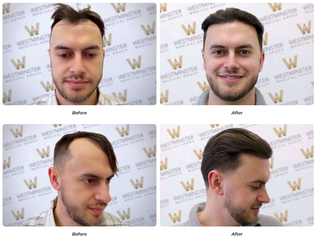
Hair loss can be a stressful experience for both men and women. It affects confidence, appearance, and sometimes even social interactions. While hair thinning and baldness are common, modern medical science has made it possible to restore hair through advanced surgical solutions. One of the most effective methods available today is a hair transplant London.
If you’ve been considering this option, it’s important to understand the basics before making a decision. This guide will walk you through what a hair transplant is, how it works, the techniques used, recovery details, and what you should expect if you’re exploring treatment options in major cities like London.
What Is a Hair Transplant?
A hair transplant is a surgical procedure where healthy hair follicles are taken from a donor area (usually the back or sides of the scalp, where hair is more resistant to balding) and transplanted to thinning or bald areas. Over time, these transplanted hairs grow naturally, creating a fuller appearance.
Unlike temporary solutions like wigs or hairpieces, a transplant offers a permanent solution by using your own natural hair.
Why Do People Choose Hair Transplants?
- Permanent Results – Once transplanted hair takes root, it continues to grow naturally for life.
- Natural Appearance – When performed by skilled surgeons, the results blend seamlessly with existing hair.
- Boosted Confidence – Many patients report significant improvements in self-esteem and overall quality of life.
- Low Maintenance – Transplanted hair requires no special care apart from regular washing and grooming.
Popular Hair Transplant Techniques
There are two main surgical techniques used in modern transplants:
1. Follicular Unit Extraction (FUE)
- In FUE, individual follicles are extracted using a micro-punch tool.
- Tiny incisions are then made in the recipient area, and the follicles are placed carefully.
- Benefits: minimal scarring, faster healing, and natural-looking results.
2. Follicular Unit Transplantation (FUT)
- FUT involves removing a strip of scalp from the donor area.
- The strip is divided into grafts and transplanted to thinning areas.
- Benefits: larger sessions in one sitting, suitable for those needing more coverage.
Both methods are effective, and the choice depends on individual goals, hair condition, and surgeon recommendations.
The Hair Transplant Procedure Step by Step
- Consultation – Your surgeon examines the extent of hair loss, discusses expectations, and recommends the best approach.
- Preparation – Local anesthesia is applied to numb the scalp.
- Harvesting Donor Hair – Follicles are extracted via FUE or FUT.
- Graft Placement – Tiny channels are created in the bald areas, and grafts are carefully implanted.
- Recovery – The scalp may feel sore for a few days, and you may be prescribed medication to reduce discomfort and prevent infection.
Recovery and Aftercare
- First Week: Expect mild swelling, scabbing, and redness. Sleeping with your head elevated is often recommended.
- 2–3 Weeks: Transplanted hair may shed—this is completely normal.
- 3–4 Months: New hair growth begins to appear.
- 6–12 Months: Noticeable thickening of the hair.
- 12–18 Months: Final results with natural density.
Proper aftercare includes gentle washing, avoiding direct sunlight, refraining from strenuous activities, and following your surgeon’s advice.
Results: How Long Do They Last?
The transplanted hair is typically permanent because it’s resistant to the hormone that causes pattern baldness. However, natural hair loss may continue in untreated areas, which means some patients consider follow-up procedures to maintain an even look.
Choosing the Right Clinic and Surgeon
If you’re considering a hair transplant London, you’ll find a wide range of clinics offering different techniques and price ranges. The most important factor is not cost but experience and reputation. Look for:
- Board-certified surgeons
- Proven track record with before-and-after photos
- Transparent consultation process
- Patient reviews and testimonials
A reputable clinic will give you realistic expectations and guide you through the journey with care.
FAQs About Hair Transplants
Q1. Is a hair transplant painful?
Most patients experience minimal discomfort thanks to local anesthesia. Mild soreness or tightness can occur afterward, but it usually subsides within a few days.
Q2. How long does the procedure take?
Depending on the number of grafts, it can last anywhere between 4 to 8 hours.
Q3. Can women get hair transplants?
Yes. While men are more commonly treated, women with thinning hair or pattern baldness can also be good candidates.
Q4. Will the results look natural?
When done by an experienced surgeon, the results are virtually undetectable. The transplanted hair grows like natural hair.
Q5. How much does a hair transplant in London cost?
Prices vary widely depending on the number of grafts, technique, and clinic reputation. On average, costs range between £3,000 and £8,000.
Q6. Are there any risks involved?
Like any surgical procedure, risks include infection, scarring, or uneven growth. Choosing a qualified surgeon significantly reduces these risks.
Final Thoughts
A hair transplant can be a life-changing decision for those struggling with hair loss. By understanding the process, techniques, recovery, and long-term expectations, you’ll be better prepared to make an informed choice.
If you’re exploring your options in major cities such as London, take time to research clinics, consult experienced surgeons, and ensure you feel comfortable with your decision. With the right care, a hair transplant can restore not only your hair but also your confidence.


