
UID, Emirates ID & Visa File Number in UAE: Meaning & Uses
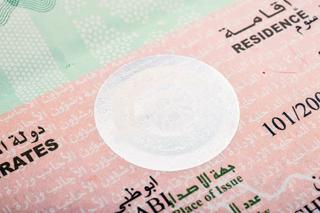
If you’re new to the UAE—or you’re onboarding staff in Dubai or Abu Dhabi—you’ll bump into three identifiers again and again: the Unified Number (UID), the Emirates ID number, and the visa file number. They look similar on the forms, but they serve different purposes and live in different systems. Mixing them up slows down applications, insurance, banking, school admissions, and even airport formalities. This guide clears the fog with plain-English definitions, where each number usually appears, and the most common situations where you’ll be asked for them.
What is the UID (Unified Number)?
The UID is your immigration “backbone” number. Think of it as a permanent key that links your records inside the UAE immigration ecosystem over time. It is typically generated when your first immigration file is created—often around your entry permit or change of status—and it stays with you across future visas, sponsors, and renewals. Because it’s a long-lived identifier, authorities use it to match you accurately even if other details change (employer, address, visa category).
If you’ve never dealt with the UID before and want a deep dive—with examples and where to look on common documents—see this practical explainer: https://inlex-partners.com/blog/uae-unified-number-uid/
Where you’ll usually find the UID
- On your entry permit or e-visa document (PDF/email), often alongside personal details and visa category
- In immigration status portals or mobile apps after you authenticate and pass basic checks
- Through your employer’s PRO/HR team if they initiated your file (they can typically retrieve it from the internal case)
When people ask for the UID
- Booking medical fitness and Emirates ID biometrics during first issuance or certain renewals
- Status queries in immigration portals (matching your case to the correct person)
- Occasionally during banking KYC or insurance onboarding, especially when they verify your residency trail
What the UID is not
- It is not the same as your Emirates ID number (that one sits on your national ID card)
- It is not your visa file number (that one is tied to a specific sponsorship and can change when your visa changes)
What is the Emirates ID number?
The Emirates ID is the UAE’s national identity credential for residents and citizens. The Emirates ID number appears on the card and in digital records; it is used across government and private services (banks, telecom providers, clinics, schools). You receive your Emirates ID after you pass medical fitness and biometrics, and your residency visa is issued.
Where you’ll usually find the Emirates ID number
- Printed on the front of your physical card
- In your digital profile once your ID is active (e.g., in official ID apps/portals after login)
- In service provider systems that have already verified your identity (banks, insurers, utilities), where it often shows as your customer identifier
When people ask for the Emirates ID number
- Banking (opening or upgrading accounts, changing signatories)
- Telecom and utilities onboarding
- School registration and day-to-day service logins
- Insurance issuance and claims
Why it’s different from the UID
- The Emirates ID is your civil identity key for everyday life and private-sector services
- The UID is your immigration identity key that ties together visa history and status
What is the visa file number?
The visa file number identifies a specific residency file tied to a particular sponsor and period. It’s the case identifier for the visa you’re on right now (or the last one issued). Because it’s sponsorship- and case-specific, it can change when you switch employer/sponsor, move between mainland and a free zone, or upgrade routes.
Where you’ll usually find the visa file number
- On your visa sticker (if you still have one) or e-visa PDF
- In immigration portals when you check status or renew
- In HR/PRO records that handled your issuance
When people ask for the visa file number
- Renewals, amendments (new passport/name changes), and cancellations/transfer
- Exit/entry queries, grace-period checks, or sponsor transfers
- Dependent sponsorship steps that reference the principal’s current case
Quick way to keep them straight
- UID: your long-lived immigration identity (stays with you)
- Emirates ID number: your national ID for daily life (on the card)
- Visa file number: your current sponsorship case (changes with sponsor/route)
Where people get stuck (and how to avoid it)
1) Looking for UID on the Emirates ID card
You won’t find it printed there. The card shows your Emirates ID number; UID usually lives on visa/permit documents and in immigration systems.
2) Confusing Dubai and federal systems
Dubai immigration (GDRFA) labels and portals can look different from federal ICP portals used by other emirates. The underlying ideas are the same, but field names/positions vary. Read labels carefully and keep PDFs, not screenshots, for clarity.
3) Name inconsistencies across documents
A middle initial on one document and a full middle name on another can cause validation failures. Pick one exact format, use it everywhere going forward, and if you’ve changed names (e.g., marriage), prepare a brief bridging declaration.
4) Expired scans or unreadable PDFs
Low-resolution photos and cropped screenshots are a primary reason for rejections. Use 300 DPI PDFs with clear filenames (e.g., SURNAME_Firstname_Passport_YYYYMMDD.pdf).
5) Expecting PROs/HR to guess your details
If you’re an employee, your HR/PRO can retrieve identifiers, but they still need accurate inputs: passport copy, entry permit/e-visa, and your full name exactly as in the passport.
Practical places to look when you don’t have the card or sticker handy
- Your email for e-visa/entry permit PDFs issued during onboarding or renewal
- The HR/PRO case trail (they often keep a unified pack with your permits, biometrics slip, and visa issuance)
- Official immigration portals/apps after you authenticate with passport details and a one-time code
- Insurance onboarding receipts—some providers record the Emirates ID number once issued (useful for retrieval)
Pro tip: keep a personal “ID pack” PDF with your passport bio page, latest entry permit/e-visa, visa issuance page, Emirates ID (front/back), insurance certificate, and tenancy registration. Most onboarding checklists (banks, schools, utilities) draw from that same set.
When each number matters most: six common situations
1) Medical fitness and biometrics
These steps usually reference your immigration record, so the UID is commonly used behind the scenes (and sometimes requested explicitly). Your appointment confirmations will list the identifiers used.
2) Emirates ID collection
The Emirates ID number becomes central once your card is produced; you’ll use it for nearly every private service and many public e-services.
3) Visa renewals and amendments
Immigration will key off your visa file number (current case) and match it to your UID. If you’ve changed your passport or name, align the records first, then update banks/utilities.
4) Opening or upgrading bank accounts
Banks typically ask for the Emirates ID number and copies of your visa/Emirates ID. If they need to verify immigration status, the UID can help match records in official systems.
5) Sponsoring your family
Dependent filings reference the principal’s current visa file and UID, while dependents will ultimately receive their own Emirates ID numbers at issuance.
6) Airport formalities and exit/entry questions
When officers check your status, they match your identity in immigration systems (UID-side) to current visa validity (visa file number). Keep documents consistent to avoid desk referrals.
Mini-FAQ
Do I need the UID to work in the UAE?
You need a valid residency visa and Emirates ID to work. The UID is part of your immigration identity and is created early in your journey; it helps systems find your record and link steps like medicals and biometrics.
Is my Emirates ID number the same as my UID?
No. The Emirates ID number is on your national ID card and is used across daily services. The UID is the long-term immigration identifier.
Does the visa file number change?
It can. When you switch sponsors, move between mainland and a free zone, or change visa routes, you’ll receive a new visa file number for that case. Your UID remains the same.
I only have my Emirates ID card—can I retrieve my UID?
Often yes, by checking your e-visa/entry permit PDFs or via official portals with your passport details. Your HR/PRO can also pull it from the company’s immigration dashboard.
My name changed—what should I update first?
Update immigration records and Emirates ID first (the systems that everything else references), then sweep banks, utilities, and school records with the new documents.
Clean habits that save hours (and re-submissions)
- Standardize your name format and stick to it across every form and document
- Label and store PDFs in a shared, secure drive; never rely on messaging apps as your archive
- Start attestations early (marriage/birth certificates for dependents, degree certificates for regulated roles)
- Treat insurance as a gating item, not an afterthought—several jurisdictions require valid health coverage before issuance
- Add calendar reminders at 90/60/30 days for visa, Emirates ID, insurance, and lease renewals
You’ll encounter the UID, Emirates ID number, and visa file number at different points in your UAE journey. Knowing which is which—and where to find them—turns paperwork into a predictable sequence rather than a scavenger hunt. Keep a clean document pack, standardize your name format, and store PDFs in one place. When in doubt about UID specifically, this detailed breakdown with examples and retrieval tips is a helpful reference: https://inlex-partners.com/blog/uae-unified-number-uid/

