
Keeping Your Aquatic Garden Grounded: The Art of Anchoring Tank Plants
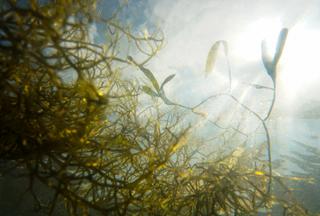
An aquarium filled with lush greenery, gently swaying with the currents, creates a mesmerizing underwater oasis. As aquarists, we strive to create a thriving aquatic garden that not only adds beauty to our tanks but also provides a healthy and stimulating environment for our aquatic inhabitants. Achieving this delicate balance between aesthetics and functionality lies in the art of how to anchor aquarium plants in substrate.
Why is Anchoring Tank Plants Important?
The act of anchoring tank plants goes beyond merely placing them in the substrate; it is an essential aspect of maintaining a stable and flourishing aquatic ecosystem. Properly anchored plants contribute to the overall stability of the tank, preventing dislodgment and maintaining a harmonious arrangement. Stability is crucial for the well-being of your plants and aquatic life, as it provides shelter, hiding spots, and resting places for fish, while also enhancing the oxygenation and filtration of the water.
The Art of Anchoring Tank Plants
Mastering the art of anchoring tank plants requires thoughtful planning and a deep understanding of your plant species and their individual needs. Here are some key steps and techniques to ensure your aquatic garden remains firmly grounded:
1. Selecting the Right Substrate
Choosing the appropriate substrate is the foundation of successful plant anchoring. Different plants have varying root systems and nutrient requirements, so selecting the right substrate is crucial. Consider using specialized planted aquarium substrates, fine gravel, or sand, depending on the needs of your plant species.
2. Researching Plant Species
Before introducing plants to your aquarium, research the specific needs and growth habits of each species. Some plants are better suited for anchoring directly into the substrate, while others may require alternative methods due to their delicate or floating nature.
3. Preparing the Substrate
Ensure that the substrate is properly prepared by providing the necessary nutrients and creating an even surface for planting. The depth of the substrate should be sufficient to accommodate the root systems of your chosen plants.
4. Planting Techniques
When planting, take into consideration the size and growth habit of each plant. Place taller plants toward the back of the aquarium, and shorter ones toward the front to create depth and visual appeal. Leave enough space between plants to prevent overcrowding and allow for optimal light exposure.
5. Techniques for Anchoring
There are several techniques for anchoring tank plants, each suited to different plant types and aquascape designs. For rooted plants, carefully insert them into the substrate and ensure the roots are well-covered. For more flexible arrangements, consider using plant weights or tying plants to hardscape to create artistic and stable displays. Gluing plants to ornaments or driftwood is also an effective method, especially in high-flow areas.
6. Regular Maintenance
Once your plants are anchored, regular maintenance is essential to keep them healthy and thriving. Pruning and trimming are necessary to prevent overgrowth and maintain the desired shape of your aquascape. Properly caring for your plants will prevent them from overshadowing or competing with each other.
7. Troubleshooting
Despite your best efforts, some challenges may arise, such as dislodged plants or floating species. Address these issues promptly by adjusting anchoring techniques or implementing additional support for floating plants.
How to Anchor Aquarium Plants in Substrate
To effectively anchor aquarium plants in the substrate, follow these steps:
- Choose the right substrate: Select a suitable substrate that provides the necessary nutrients and supports plant growth. Planted aquarium substrates or fine gravel are excellent choices.
- Research plant species: Understand the specific needs and growth habits of your chosen plant species to determine the best anchoring method.
- Prepare the substrate: Ensure the substrate is properly prepared and level before planting to provide a stable base for the roots.
- Planting techniques: Carefully position the plants in the substrate, placing taller species at the back and shorter ones in the front for visual appeal.
- Utilize anchoring methods: Depending on the plant type, consider using plant weights, tying plants to hardscape, or gluing them to ornaments or driftwood for stability.
By following these steps and mastering the art of anchoring tank plants, you can create a stunning aquatic garden that thrives and enhances the well-being of your aquatic inhabitants.
Conclusion
Anchoring tank plants is an art that requires a combination of knowledge, creativity, and dedication. By understanding the unique needs of your plant species and employing suitable anchoring techniques, you can create a stunning aquatic garden that flourishes and enhances the well-being of your aquatic inhabitants.
So, immerse yourself in the art of anchoring tank plants and watch your aquarium transform into a mesmerizing underwater paradise, where beauty meets functionality, and where your aquatic garden remains grounded in harmony. With a grounded aquatic garden, you'll experience the joy of a thriving and balanced aquarium, as nature's wonders unfold before your eyes in this captivating underwater realm

