
Choosing the Right Rope Access Company for Your Next Project
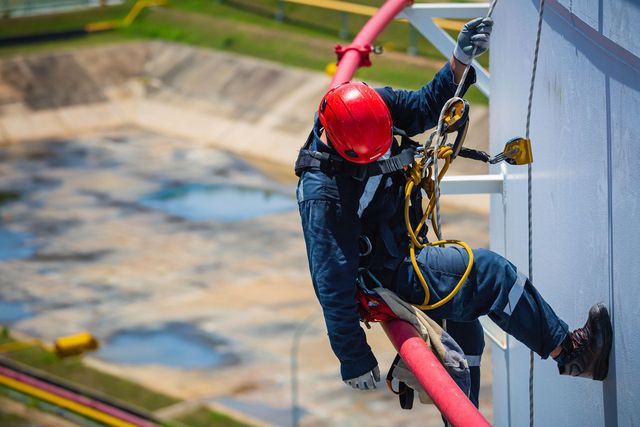
Working at heights for tasks like maintenance, inspections, cleaning, or repairs can be expensive and inconvenient when using traditional methods such as scaffolding. Industrial rope access provides a faster, more flexible, and usually more affordable solution.
Rope access comes from climbing and caving methods; technicians use a twin-rope system-one rope for support and a backup for safety. This way, they can safely and quickly get to hard-to-reach areas, whether on tall buildings, cleaning façades, maintaining equipment in industrial sites, or even on offshore oil rigs.
However, picking the right rope access company is key to making sure your project is safe, high quality, and completed as expected.
Finding a rope access provider isn’t just about hiring people who can work while suspended on ropes. You need a team that puts safety first, employs skilled workers, and maintains professionalism throughout the project.
The proper company will handle your project efficiently, with little disturbance, attention to detail, and constant care for your property and their workers.
Main Points When Choosing a Rope Access Company
To find the best rope access provider, you need to look at several important details. Checking these will help you pick a provider that cares about safety, does quality work, and gets the job done correctly. Missing any of these could cause problems, from safety issues to an unfinished or poorly-done job.
The Importance of IRATA and SPRAT Accreditation
Accreditation is one of the most important things to check. The Industrial Rope Access Trade Association (IRATA) is recognized worldwide as the top standard for rope access training. The Society of Professional Rope Access Technicians (SPRAT) is another respected certification.
A company with either or both accreditations proves they meet strict safety policies and work guidelines.
For example, IRATA-certified companies are checked carefully before joining and are reviewed regularly. This includes monitoring safety management, using approved equipment, and employing skilled staff.
Accreditation shows the company follows strong, up-to-date industry practices.
Certification
What It Means
IRATA
Internationally accepted rope access safety and training standard
SPRAT
Recognized rope access standard mainly in North America
Technician Skills and Training
It’s also key to check if the company's workers are personally certified and trained. IRATA and SPRAT offer three levels of certification (Level 1, 2, and 3), each requiring hands-on practice, theoretical learning, logged hours, and proven rescue skills. Level 3 technicians are trained to take charge of safety and rescue operations.
Look for teams with certified technicians who regularly update their skills and knowledge through on-the-job practice and new training. Up-to-date training means they’re ready to handle changing industry standards and challenges.
Safety Record and Compliance
Having a solid safety history is essential. Always ask for their safety data and accident rates. Good companies will not hide this information. Also, make sure they follow all relevant rules and regulations.
In the UK, for example, the Building Safety Act 2022 now requires companies to stick to certain standards. Look for other relevant credentials, like NAAD21 for ventilation or BSEHV11 for hygiene technicians.
The best companies keep detailed safety records and prove their team is trained. Safety should be part of their everyday operations, not just a policy document.
Company Experience with Similar Projects
Experience is very important, especially where rope access needs to be used in unique or difficult situations. Good rope access providers have taken on many different types of jobs and can show examples of projects like yours.
Ask if they’ve handled similar heights, building types, or project requirements. Their experience will tell if they can solve unexpected problems and satisfy their clients.
Equipment Used and Maintenance
Technicians rely on their equipment to stay safe. Always check that a company uses safety-tested and approved gear. Ask about how often gear is checked, maintained, and replaced.
Trustworthy companies keep careful records of gear checks and maintenance. Some even use electronic tags to track each piece of equipment. This shows that they care about safety and pay attention to the details.
Insurance and Liability Protection
Even though rope access accidents are very rare, accidents can still happen. The company you hire should have full insurance to protect their team and your property. Ask for proof of insurance and make sure you know what is covered.
Be careful of companies that can’t or won’t show you these details, as it may leave you exposed if there is a problem.
Questions to Ask Your Rope Access Provider
Don’t be afraid to get straight answers from any provider you’re considering. Asking questions will help you understand if they’re the right fit for your project.
What Special Skills Does the Team Have?
Rope access is a general method, but some jobs require extra skills. For example, if you need repairs to a building’s exterior, the team should include certified masons or engineers as well as rope specialists.
Ask what kind of trade qualifications their workers have in addition to rope access certification. A team with different skills can finish a project quicker and may save you from hiring extra contractors.
How Are Emergencies Handled?
Safety plans must include clear steps in case of an emergency. Ask the company how they handle emergencies. Do they have written rescue plans? Are safety supervisors (Level 3) always on site? Do they practice and test rescue procedures often? Good companies are ready to explain their safety approach. IRATA-certified companies must follow strict emergency action plans and test them regularly.
What Support Will You Get?
You want to work with a company that is easy to reach and helpful before, during, and after your project.
Ask if they provide 24/7 support for urgent issues. How do they handle scheduling so your business is not disrupted? Good communication and fast response times help the whole process go smoothly.
How to Pick the Best Rope Access Company
After you gather all this information, break it down and compare your options in a structured way. This makes it easier to choose the provider who meets your needs and standards.
Rope Access Company Comparison Checklist
Criteria
Provider A
Provider B
Provider C
IRATA/SPRAT Accreditation
Certified Technicians
Safety Record
Project Experience
Equipment Maintenance
Insurance Coverage
Special Skills
Emergency Plans
Communication/Support
Ask for References and Past Project Examples
Before making your final decision, request references from previous customers and specific project case studies. Reliable companies will quickly provide these. Speaking with past clients gives you an honest view of what it’s like working with the provider. Reviewing actual case studies will show how they handled challenges and if their results were up to standard.
Final Agreements and Starting the Work
When you’ve chosen your rope access company, set up a clear contract. Make sure it covers the project scope, deadlines, costs, safety policies, and insurance details. Talk about how their team will work with your site staff.
A good onboarding process helps the project start smoothly. Remember, hiring an IRATA-approved provider often means saving money, having less disruption, and getting reliable results, as they focus on doing the job right the first time.


