
When Should You Replace Your Windows?
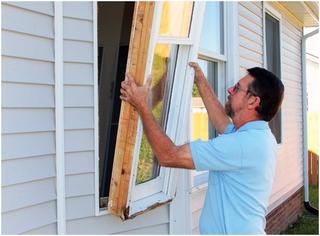
As a homeowner, maintaining the various components of your house is an ongoing responsibility. Among these elements, windows play a crucial role in both the aesthetics and functionality of your home. However, like all parts of a house, windows don’t last forever.
Knowing when to replace them is essential for maintaining energy efficiency, comfort, and the overall value of your property. Windows typically last between 15 to 30 years, depending on various factors.
If you’re considering replacement windows in Castle Rock or any other location, it’s important to understand the signs that indicate it’s time for an upgrade.
Understanding the Lifespan of Windows
The longevity of your windows depends on several factors, including the quality of materials, installation, maintenance, and environmental conditions. High-quality windows that are properly installed and maintained can last for decades. However, even the best windows will eventually need replacement.
Factors Affecting Window Lifespan
Climate plays a significant role in determining how long your windows will last. Areas with extreme temperature fluctuations, like Castle Rock, can put additional stress on window materials, potentially shortening their lifespan. Similarly, exposure to direct sunlight, high humidity, or salty air in coastal regions can accelerate wear and tear.
The type of window material also impacts longevity. Vinyl windows, for instance, are known for their durability and low maintenance requirements. Wood windows, while aesthetically pleasing, may require more upkeep to prevent rot and warping.
Signs It’s Time for Window Replacement
Recognizing the signs that your windows need replacement can save you money on energy bills and prevent potential damage to your home. Here are some key indicators to watch for:
Drafts and Air Leaks
One of the most noticeable signs that your windows need replacement is the presence of drafts. If you feel cold air seeping in around your windows during winter or warm air during summer, it’s a clear indication that your windows are no longer providing adequate insulation. This not only affects your comfort but also leads to increased energy consumption as your HVAC system works harder to maintain the desired temperature.
Difficulty in Operation
Windows should open and close smoothly. If you find yourself struggling to open, close, or lock your windows, it may be time for a replacement. This issue can be due to warped frames, rusted hardware, or broken balance systems in the case of double-hung windows. Not only is this inconvenient, but it can also pose a safety risk in emergency situations.
Condensation Between Panes
Double or triple-pane windows are designed with a sealed space between the glass layers, often filled with insulating gas. If you notice fog or moisture between these panes, it means the seal has failed, and the insulating properties of the window have been compromised. This is a clear sign that replacement is necessary.
Visible Damage
Cracks, chips, or warping in the glass or frame are obvious indicators that your windows need attention. Even small damages can lead to bigger problems if left unaddressed. Warped frames can allow water to seep in, potentially causing structural damage to your walls.
Increased Energy Bills
If you’ve noticed a steady increase in your heating or cooling costs without a corresponding increase in energy rates, your windows might be the culprit. Inefficient windows can account for a significant portion of a home’s heat loss in winter and heat gain in summer.
Benefits of Window Replacement
Investing in new windows offers numerous benefits that extend beyond just fixing the immediate issues:
Improved Energy Efficiency
Modern windows are designed with energy efficiency in mind. They often feature double or triple panes, low-E coatings, and insulating gas fills that significantly reduce heat transfer. This can lead to substantial savings on your energy bills over time.
Enhanced Home Comfort
New windows can eliminate drafts and cold spots near windows, creating a more comfortable living environment throughout your home. They can also reduce outside noise, making your indoor space more peaceful.
Increased Home Value
Replacing old windows can significantly boost your home’s curb appeal and market value. Potential buyers often view new windows as a valuable upgrade, potentially making your home more attractive in the real estate market.
Better UV Protection
Many modern windows come with coatings that block harmful UV rays. This not only protects your skin but also prevents fading of furniture, carpets, and other interior furnishings.
Choosing the Right Replacement Windows
When it’s time to replace your windows, selecting the right type is crucial. Consider factors such as:
Window Style
Choose a style that complements your home’s architecture and meets your functional needs. Options include double-hung, casement, sliding, bay, and picture windows, among others.
Material
Window frames come in various materials, including vinyl, wood, fiberglass, and aluminum. Each has its pros and cons in terms of durability, maintenance, and aesthetics.
Energy Efficiency Ratings
Look for windows with good energy efficiency ratings. The National Fenestration Rating Council (NFRC) label provides information on a window’s U-factor, Solar Heat Gain Coefficient (SHGC), and other important metrics.
Professional Installation
Even the best windows won’t perform well if improperly installed. Ensure you work with reputable professionals who have experience with window installation in your specific climate.
The Window Replacement Process
Understanding the window replacement process can help you prepare for the project:
Assessment and Measurement
A professional will assess your current windows and take precise measurements to ensure the new windows fit perfectly.
Choosing Windows
Based on the assessment, you’ll select the type, style, and features of your new windows.
Removal of Old Windows
The existing windows are carefully removed to minimize damage to the surrounding structure.
Installation
New windows are installed, ensuring proper fit, insulation, and sealing.
Finishing Touches
After installation, any necessary trim work or touch-ups are completed to ensure a polished look.
Maintaining Your New Windows
To maximize the lifespan of your new windows, proper maintenance is key:
Regular Cleaning
Clean the glass and frames regularly to prevent buildup of dirt and debris.
Inspect Seals and Weatherstripping
Periodically check the seals and weatherstripping for signs of wear and replace as needed.
Lubricate Moving Parts
For windows with moving parts, apply lubricant annually to ensure smooth operation.
Address Issues Promptly
If you notice any problems, address them quickly to prevent more significant issues from developing.
Final Thoughts
Knowing when to replace your windows is crucial for maintaining your home’s efficiency, comfort, and value. While the initial investment may seem significant, the long-term benefits of energy savings, improved comfort, and increased home value make window replacement a worthwhile project. If you’re noticing signs of wear, experiencing drafts, or simply want to upgrade the look and efficiency of your home, consider exploring replacement windows in Castle Rock or your local area.
With the right windows and proper installation, you can enjoy the benefits of new windows for decades to come. Remember, every home is unique, so consult with a professional to determine the best window replacement strategy for your specific needs and budget.


