
How to Clean Felt Wall Art
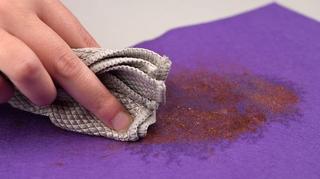
Felt wall art is beautiful, soft, and full of character, but it also tends to attract dust like a magnet. If you’ve got kids, pets, or simply an open window, chances are that gorgeous piece is going to collect fuzz and grime faster than you’d expect. You don’t need harsh chemicals or special tools to keep it looking good though, just a little care and consistency.
Even though felt wall art is often made with care and intention, it’s still fabric at its core. And fabric needs upkeep. Skip the washer, skip the steamer, and absolutely skip the vacuum unless you want to risk damaging the fibers. Felt has a texture that can pill or stretch if you’re not gentle.
Start With the Dry Method
If your felt piece is only dusty and not stained, the easiest and safest way to clean it is dry.
Use a lint roller or a piece of packing tape looped around your fingers (sticky side out). Gently press it against the felt and lift away dust, pet hair, and any bits of fuzz that have latched on. Avoid dragging the tape across the surface, just press and lift. If the art includes small details or layered elements, take your time and be extra gentle.
For tight corners or delicate cutouts, a clean soft-bristled makeup brush or artist’s brush works wonders. You can lightly sweep over the felt to loosen any dust or crumbs, then follow up with tape if needed.
Spot Cleaning for Small Stains
Stuff happens. Kids throw things, drinks get spilled, or maybe you touched it with something greasy on your hands without thinking.
Spot cleaning felt is tricky, because felt is not a woven fabric, it’s pressed fibers. That means water doesn’t always behave the way you’d expect. Too much and it’ll warp, too aggressive and it’ll fuzz or thin out.
Here’s what to do instead:
- Mix a very small amount of mild detergent (like Woolite or gentle dish soap) with cold water
- Dampen a clean white cloth, not soaking, just damp
- Blot the stain gently. Do not rub
- Use a second clean cloth dampened with plain water to blot again and remove any soap residue
- Let it air dry completely, flat and out of direct sunlight
If you're dealing with an oil-based stain, you can try sprinkling a little cornstarch on it first, letting it sit for a few hours to absorb the grease, then brushing it off gently before spot cleaning.
Avoid These Common Mistakes
Most damage to felt happens because of good intentions gone wrong. Avoid these cleaning missteps:
- Don’t use hot water. It can cause shrinkage and stiffening
- Don’t scrub. Rubbing can distort the shape and raise fuzz
- Don’t hang felt to dry. It can stretch or warp as the water weight pulls it down
- Don’t use vinegar or harsh cleaners. Felt doesn’t like acid
Even paper towels can snag on some types of felt, so stick to soft cloths or brushes.
Refresh the Shape and Remove Odors
Sometimes a piece just feels a little tired, like it’s been hanging too long and needs a refresh. If the felt looks a little flattened or smells musty from humidity, you can revive it a bit.
Lay it flat on a clean towel. Use a handheld steamer near (but not on) the felt, keeping it a few inches away. Let the steam rise gently into the fabric. Don’t saturate it, just coax it back to life. Once it cools down, you can fluff the fibers slightly with your fingers or a soft brush.
To freshen the scent, a small sachet of baking soda in a nearby bowl or hidden behind the art can help absorb musty odors over time. Skip the sprays or air fresheners, they often leave residues that attract more dust.
When Felt Gets Fuzzy or Pilled
Some types of felt, especially wool or blends, can develop little fuzzy balls over time, especially around edges or spots that get touched often. These pills are harmless but can make your piece look worn out.
Use a fabric shaver designed for delicate fabrics or a small pair of embroidery scissors to snip away pills carefully. You can also try a fresh razor blade, but only if you’re confident and have a steady hand. Just don’t overdo it or you’ll risk thinning the felt.
Consider the Environment Around It
If your wall art is near a kitchen, entryway, or window, it’s more exposed to moisture, cooking oils, or airborne particles. Research in museum textiles has shown that air pollutants accelerate textile deterioration, observing how particulate and gaseous pollutants like sulfur dioxide and nitrogen dioxide worsen fiber degradation when combined with dust. Consider moving your art away from vents, cooking zones, or humid spots. If it's framed under glass or in a protective case, even better, it’ll need less cleaning and stay in shape longer.
Store It the Right Way
If you’re swapping out decor or moving, storing felt the right way is essential. Fold it gently with tissue paper between layers if it’s large. Store flat whenever possible. Keep it in a breathable cotton or muslin bag, not plastic, and always away from moisture or extreme heat.
If it’s a 3D piece or something framed, wrap it in acid-free paper and cushion it with bubble wrap, making sure the bubble side isn’t directly touching the fabric.
Final Thoughts
Felt wall art has a way of making a space feel cozy, intentional, and handmade. But to keep it looking its best, it needs more love than just hanging it up and forgetting about it. A little dusting, some gentle spot cleaning, and an awareness of its surroundings go a long way.
You don’t have to clean it often, but when you do, think of it less like fabric and more like a fragile object. Felt is both durable and delicate, depending on how you treat it. And just like anything else in your home, the better you care for it, the longer it lasts.

