
The Most Common Roofing Issues
The Most Common Roofing Issues in Colorado’s Climate
Colorado’s climate is one of the most challenging for homeowners trying to keep their roof in good shape. With heavy snow in the winter, hail in the spring, and harsh sunlight in the summer, roofing materials rarely get a break. It’s no wonder that many homeowners turn to professionals like colorado roofing and restoration when repairs or replacements become necessary. But the first step is understanding what problems you’re likely to face in this environment.
Snow and Ice Dams
The mountains and plains of Colorado both experience heavy snow, sometimes for weeks on end. That snow can pile up quickly, putting thousands of pounds of weight on a roof. For homes with older structures, this can cause sagging or leaks where the roof isn’t as strong as it should be.
On top of that, ice dams are a major concern. When heat escapes from the home, it melts the snow sitting on top of the shingles. That water runs down until it hits a colder edge, where it freezes again. Over time, a ridge of ice forms along the gutters, trapping water behind it. The water has nowhere to go but under the shingles, which leads to leaks and interior water damage. Good insulation, proper ventilation, and timely snow removal can help reduce this risk.
Hail Damage
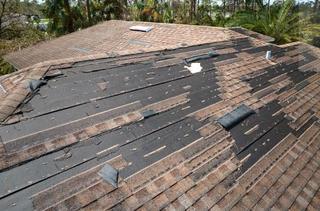
Colorado is one of the most hail-prone states in the country. Hail can range from pea-sized to baseball-sized, and even smaller stones falling in large amounts can harm a roof. Asphalt shingles can lose their protective granules, leaving the underlayers exposed to UV damage. Metal roofing may get dented, while wood shingles might split. Some damage is obvious, but other times it’s subtle, only showing up as small pockmarks or soft spots. Regular inspections after a storm help catch these issues before they become serious leaks.
High Wind and Uplift
In the eastern plains and foothill regions, wind can be just as destructive as hail. Gusts peel shingles away or lift flashing at the edges of the roof. Once the wind finds a weak spot, it can start a chain reaction that exposes the roof decking. If you see shingles in the yard after a storm, that’s a clear sign of wind damage. Even without missing pieces, shingles may be loosened, which shortens their lifespan and increases the risk of leaks.
UV and Heat Damage
At higher elevations, the sun’s rays are more intense. Prolonged exposure bakes shingles, drying them out until they curl, crack, or become brittle. Dark-colored roofs absorb more heat, which speeds up the process. Over time, this wear can cause shingles to break apart during storms or simply fail to shed water properly. Choosing reflective roofing materials and ensuring proper attic ventilation both help extend the roof’s life under Colorado’s sun.
Gutter and Drainage Problems
A roof doesn’t work alone. It depends on gutters and downspouts to carry water away from the home. In Colorado, those systems can become clogged with leaves in the fall or packed with ice during the winter. When water can’t drain, it backs up under the shingles or overflows next to the foundation. Either way, it creates water damage where you don’t want it. Keeping gutters clean and adding heat cables in trouble spots helps avoid these issues.
Poor Ventilation
Colorado homes often face problems tied to ventilation. Without enough airflow in the attic, warm air builds up during winter, melting the snow on the roof and contributing to ice dams. In the summer, trapped hot air pushes cooling systems harder and speeds up the breakdown of shingles. A well-designed ventilation system balances intake and exhaust, keeping the roof deck closer to the outside temperature. This small detail can prevent several of the most common roofing failures.
Flashing Failures
Flashing is the metal or protective material used around chimneys, skylights, and vents. It seals the gaps where the roof meets other structures. Unfortunately, flashing is often one of the first parts to fail. Harsh weather loosens it, rust weakens it, or poor installation leaves gaps. Once flashing is compromised, water sneaks into the smallest openings, causing leaks that are hard to trace. Checking flashing regularly and resealing or replacing it when necessary is a key maintenance step.
Tree and Debris Damage
Colorado’s windy storms can knock branches onto a roof, especially when trees are close to the home. Even small branches scratch and wear away roofing materials over time. Larger limbs can cause punctures or collapse parts of the roof. Debris like pine needles also builds up, trapping moisture and leading to rot or mold. Trimming trees back and cleaning off the roof prevents damage before it starts.
Common Signs of Roofing Trouble
Many homeowners don’t realize their roof is failing until leaks appear inside the home. But there are usually earlier warning signs:
- Missing or cracked shingles
- Granules from shingles collecting in the gutters
- Water stains on ceilings or walls
- Sagging areas on the roof deck
- Light visible through the attic
Catching these early can save thousands of dollars in repairs.
Why Regular Inspections Matter
Given the unique climate, Colorado roofs face more hazards than many other parts of the country. That makes inspections more important. Even if the roof looks fine from the ground, a trained eye can spot subtle issues. Small repairs now can prevent big headaches later. Many roofing professionals recommend at least one inspection a year, plus additional checks after major hailstorms or wind events.
Roofing Materials for Colorado Homes
Not every roofing material performs the same way under Colorado’s conditions. Asphalt shingles are common, but they vary in quality. Some are built with impact-resistant technology, giving them a better chance against hail. Metal roofs hold up well against snow and ice but can dent under larger hailstones. Tile and slate are durable, though heavier and more expensive. Each option comes with tradeoffs, and the best choice often depends on the specific location, altitude, and budget.
Preventive Maintenance Tips
A proactive approach goes a long way in protecting a roof:
- Clear gutters at least twice a year
- Trim trees back from the home
- Remove snow buildup before it gets too heavy
- Schedule annual inspections
- Check attic ventilation regularly
- Repair small issues promptly
These habits may seem simple, but they significantly extend the lifespan of roofing materials.
When Repairs Aren’t Enough
There comes a point where patching no longer makes sense. If a roof has widespread damage, is nearing the end of its warranty, or shows multiple signs of failure, replacement is usually the smarter investment. While costly upfront, a new roof offers peace of mind and better protection for the home’s structure. Choosing quality materials suited for Colorado’s climate means fewer problems in the years to come.
The Bottom Line
Living in Colorado means accepting the challenges of a diverse and often harsh climate. From snow and ice to wind and hail, your roof is tested in every season. Knowing the most common issues and watching for warning signs puts you in a better position to protect your home. Combine that with regular inspections, proper maintenance, and quality materials, and you’ll be ahead of most homeowners when it comes to keeping your roof secure.


