Jacket Patches: Timeless Style & Personal Expression
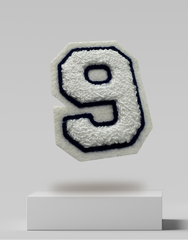
Patches for jackets have become a dynamic way to transform outerwear into a canvas for self-expression, storytelling, and style. From the iconic chenille patches on varsity jackets to embroidered designs on denim, patches add a unique, tactile flair that celebrates individuality and heritage. Whether you’re a student showcasing school pride, a fashion enthusiast embracing retro vibes, or a brand promoting a logo, patches offer endless creative possibilities. In this blog, we’ll explore the history, types, applications, styling tips, and answer common questions to highlight why patches for jackets are a versatile and enduring trend.
The History of Jacket Patches
The tradition of patches on jackets began in the early 20th century, rooted in American school culture. In 1865, Harvard University’s baseball team introduced sweaters with embroidered “H” letters to signify varsity status, laying the groundwork for the letterman jacket. By the 1930s, these jackets featured wool bodies and leather sleeves, adorned with chenille patches displaying letters, numbers, or mascots. These patches became symbols of achievement, awarded for excellence in sports, academics, or extracurriculars.
As varsity jackets gained popularity, patches spread to other garments. Military uniforms used them to denote rank or unit, while 1950s and 60s biker and denim jackets embraced patches as symbols of rebellion and subculture. Today, patches are a global phenomenon, featured in streetwear, high fashion, and branded merchandise. Their evolution from school pride to a universal style statement reflects their ability to blend tradition with modern creativity.
The Appeal of Jacket Patches
Patches are cherished for their ability to tell a story. Whether it’s a varsity letter, a travel souvenir, or a brand logo, each patch adds a layer of meaning to a jacket. Their tactile quality—especially in chenille or embroidered forms—creates visual and physical depth, making jackets stand out. They’re also durable, designed to withstand wear while maintaining vibrant colors and textures.
Patches for jackets are particularly appealing because they offer complete customization, allowing wearers to craft designs that reflect their personal or professional identity. They’re a favorite for schools celebrating achievements, businesses enhancing branded merchandise, and individuals adding flair to their wardrobe. Their versatility spans contexts, from nostalgic keepsakes to modern fashion statements, making them a timeless choice for anyone looking to personalize their look.
Types of Jacket Patches
Patches come in various styles, each suited to different jackets and aesthetics:
- Chenille Patches: Known for their fuzzy, plush texture, these are iconic on varsity jackets. They’re perfect for bold designs like letters, mascots, or logos, offering a retro, three-dimensional look.
- Embroidered Patches: Using dense stitching, these are ideal for intricate designs, such as text or detailed logos, and work well on denim, leather, or canvas jackets.
- Woven Patches: With finer threads, woven patches provide crisp details for smaller or complex designs, like slogans or icons, adding a sleek touch to jackets.
- Printed Patches: These feature photorealistic images or gradients, great for artistic designs on lighter fabrics like nylon or cotton.
- PVC Patches: Made of durable plastic, these are weather-resistant and ideal for outdoor jackets, often used for bold, colorful logos.
Choosing the right patch depends on your jacket’s material and the story you want to tell, with chenille being the go-to for traditional varsity styles.
Designing and Applying Custom Patches
Creating custom patches is a creative process that blends artistry with craftsmanship. Here’s how it works:
- Design Concept: Start with an idea—your school’s initials, a team mascot, a personal monogram, or a quirky graphic. Sketch it or work with a designer to refine your vision.
- Color and Material: Select vibrant colors for chenille or embroidered patches, often paired with a felt backing for contrast. Woven or printed patches allow for more subtle tones or complex images.
- Size and Shape: Patches range from 2 to 12 inches and can be round, square, or custom-cut to match your design. Larger patches suit jacket backs, while smaller ones work for sleeves or pockets.
- Production: Manufacturers use specialized machines to weave chenille, embroider details, or print designs, ensuring precision and durability. Platforms like Varsity Made (varsitymade.co) offer online tools for easy customization.
- Application: Choose sew-on for permanence (ideal for wool or leather), iron-on for convenience, adhesive for temporary use, or Velcro for flexibility. Ensure the method suits your jacket’s material.
Proper design and application create a patch that’s both visually striking and long-lasting, enhancing your jacket’s appeal.
Styling Patches on Jackets
Patches can elevate any jacket, from varsity to denim to bomber styles. Here are some styling tips:
- Varsity Classic: Sew a large chenille patch (like a varsity letter or mascot) onto a letterman jacket. Add smaller patches for your name or team number, pairing with jeans and sneakers for a timeless look.
- Denim Edge: Add embroidered or woven patches to a denim jacket for a retro, rebellious vibe. Place them on the back or sleeves and pair with a graphic tee and boots for streetwear flair.
- Bomber Modern: Use PVC or printed patches on a bomber jacket for a sleek, contemporary look. Pair with joggers and trainers for an athleisure-inspired outfit.
- DIY Creativity: Iron patches onto a canvas or nylon jacket for a playful, personalized touch. Mix colors and shapes, pairing with simple clothing to let the patches shine.
Placement matters—large patches work best on the back or chest, while smaller ones suit sleeves or pockets. Keep accessories minimal to highlight the patches’ bold design.
Conclusion
Patches for jackets are a vibrant, versatile way to personalize your wardrobe, celebrate achievements, or promote a brand. From their origins in varsity culture to their modern role in fashion and branding, they’ve proven their enduring appeal. Whether you choose plush chenille, detailed embroidery, or durable PVC, patches transform jackets into wearable stories. Their customization potential, durability, and nostalgic charm make them a worthy addition to any jacket, from school keepsakes to streetwear staples. So, design a patch, style your jacket, and wear your story with pride.
FAQs About Patches for Jackets
1. What types of patches are best for jackets?
Chenille (fuzzy, plush), embroidered (detailed stitching), woven (crisp details), printed (photorealistic), and PVC (weather-resistant) are popular, each suited to different jacket styles like varsity, denim, or bomber.
2. How do I attach patches to a jacket?
Sew-on is durable for wool or leather, iron-on is convenient, adhesive is temporary, and Velcro is removable. Check your jacket’s material for compatibility.
3. How long does it take to get custom patches?
Production typically takes 2–4 weeks, depending on design complexity and quantity. Rush options may be available for faster delivery.
4. Can I add patches to an existing jacket?
Yes, tailors or specialty shops can sew or iron on patches. Some retailers offer services to update older jackets with new designs.
5. Are jacket patches durable?
With proper care, patches are built to last. Spot clean or dry clean to maintain texture and color, avoiding harsh machine washing.
6. How much do custom patches cost?
Prices start at $5–$15 per patch, varying by type, size, and quantity. Bulk orders often reduce costs—request a quote for specifics.
7. Can patches be used on any jacket material?
Most jackets (denim, wool, leather, nylon) work well, but delicate fabrics like silk may require sew-on patches to avoid damage. Consult your manufacturer for guidance.