W8md Medical Weight Loss Centers Of America
4 things to do lose weight fast in Philadelphia




If you are one of the about 70% of the population in greater Philadelphia area that are either overweight or obese, and trying to find ways to lose weight fast and safe without invasive procedures, you may want to read this.W8MD's 8 steps to weight loss and wellness in Philadelphia
Philadelphia weight loss step 1
Check your body mass index
BMI is calculated the same way for both adults and children and gives you an idea as to your relative weight compared to your height.
The Body Mass Index (BMI) is a practical tool that gives you an idea of of body fatness for most people. BMI does not measure body fat directly, but research has shown that BMI correlates to direct measures of body fat, such as underwater weighing and dual energy x-ray absorptiometry (DXA).
BMI is considered a practical alternative for direct measures of body fat. BMI is an inexpensive and easy-to-perform method of screening for weight categories that may lead to health problems.
BMI Categories
BMI | Weight Status |
|---|---|
| Below 18.5 | Underweight |
| 18.5 – 24.9 | Normal |
| 25.0 – 29.9 | Overweight |
| 30.0 and Above | Obese |
| Measurement Units | Formula and Calculation |
|---|---|
| Kilograms and meters (or centimeters) | Formula: weight (kg) / [height (m)]2 With the metric system, the formula for BMI is weight in kilograms divided by height in meters squared. Since height is commonly measured in centimeters, divide height in centimeters by 100 to obtain height in meters. Example: Weight = 68 kg, Height = 165 cm (1.65 m) |
| Pounds and inches | Formula: weight (lb) / [height (in)]2 x 703 Calculate BMI by dividing weight in pounds (lbs) by height in inches (in) squared and multiplying by a conversion factor of 703. Example: Weight = 150 lbs, Height = 5'5" (65") |
Weight loss step 3 for losing weight in Philadelphia
Understand if you have metabolic syndrome using the free metabolic syndrome meter
The five conditions described below are metabolic risk factors. You can have any one of these risk factors by itself, but they tend to occur together. You must have at least three metabolic risk factors to be diagnosed with metabolic syndrome.
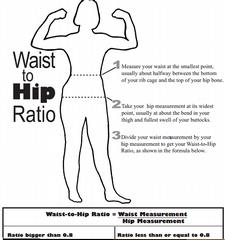
- A large waistline using the waist of 35 inches or more for women, and 40 inches or more for men in the most prominent section, not the pant size!
- A high triglyceride level of 150 or more (or you're on medicine to treat high triglycerides). Triglycerides are a type of fat found in the blood.
- A low HDL cholesterol level <50 (or you're on medicine to treat low HDL cholesterol). HDL sometimes is called "good" cholesterol. This is because it helps remove cholesterol from your arteries. A low HDL cholesterol level raises your risk for heart disease.
- High blood pressure or history of high blood pressure on treatment or borderline elevations without treatment
- High fasting blood sugar of over 100 fasting (or you're on medicine to treat high blood sugar). Mildly high blood sugar may be an early sign of diabetes.
Find a weight loss program that accepts insurance such as the unique W8MD Medical Weight Loss Centers of America's weight loss programs.
Philadelphia Insurance Weight Loss Center: 1718, Welsh Rd, Philadelphia, PA, 19115 Ph: 1-215-676-2334

King Of Prussia Weight Loss Center: 987 Old Eagle School Rd, Ste 712, Wayne, PA, 19087 Ph: 1-800-986-3007
NYC Insurance Weight Loss Center: 2003, Bath Avenue, Brooklyn, NY, 11214 Ph: 1-718-946-5501


