
How to Implement an Agile Performance Management System
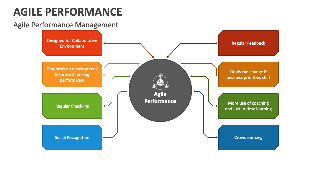
Implementing an agile performance management system can transform how your organization approaches employee development and accountability. By focusing on flexibility and continuous feedback, you can create an environment where team members feel engaged and valued. The key lies in setting collaborative goals and maintaining open lines of communication. However, establishing this culture isn’t as straightforward as it sounds. Let’s explore the essential steps to make this transition effective and sustainable.
Key Takeaways
- Gather employee and manager feedback to identify strengths and weaknesses in current performance management systems.
- Set SMART goals collaboratively to ensure alignment with organizational objectives and enhance ownership.
- Foster a culture of continuous feedback with regular check-ins and two-way communication for ongoing development.
- Utilize technology to facilitate real-time feedback and track progress on goals effectively.
- Embrace flexibility in performance evaluations and adapt strategies based on industry trends and team needs.
Assessing Your Current Performance Management Practices
Before you can implement an agile performance management system, it's crucial to assess your current practices. Start by gathering feedback from employees and managers about existing processes. Identify what's working and what isn't, focusing on areas where performance management falls short.
Dive into performance data to see trends and patterns that reveal strengths and weaknesses. This analysis will provide insights into how often reviews occur and the effectiveness of goal-setting.
Evaluate the tools and technologies you're currently using—are they facilitating communication and collaboration? By understanding your current landscape, you can pinpoint specific gaps and opportunities for improvement, setting a solid foundation for transitioning to an agile approach that truly meets your organization’s needs.
Establishing Clear Goals and Objectives
Establishing clear goals and objectives is essential for an agile performance management system to thrive. You need to ensure that everyone understands what’s expected, aligning individual contributions with the organization’s overall vision.
Start by setting SMART goals—Specific, Measurable, Achievable, Relevant, and Time-bound. This framework helps you and your team stay focused and accountable.
Involve your team in the goal-setting process to foster ownership and motivation. Regularly review and adjust these goals to reflect changing priorities, ensuring they remain relevant.
Clear objectives not only guide performance but also enhance communication within the team. When everyone knows their targets, you can work together more effectively, driving both individual and organizational success.
Fostering a Culture of Continuous Feedback and Development
To create a thriving agile performance management system, you need to foster a culture of continuous feedback and development. Encourage open communication where team members feel safe sharing insights and suggestions.
Regular check-ins can help you maintain this dialogue, ensuring everyone stays aligned and motivated.
Make feedback a two-way street; ask for input on your management style and processes, too. Recognize achievements and areas for improvement promptly, so everyone understands where they stand.
Provide opportunities for skill development through workshops, training, and mentoring, allowing employees to grow within their roles.
Conclusion
Incorporating an agile performance management system can transform your organization. By assessing your current practices, setting clear goals collaboratively, and fostering a culture of continuous feedback, you’ll create an engaged workforce ready to adapt to change. Embrace technology for real-time updates and maintain open communication to ensure alignment and accountability. Remember, staying flexible and receptive to new trends will not only enhance individual performance but also drive your organization’s overall growth and innovation.

