
Common Issues With Pipe Floats And How To Prevent Operational Failures
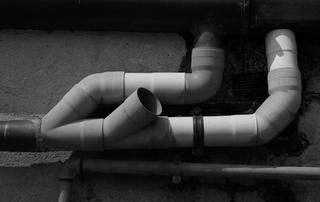
Pipe floats are essential components in mining, dredging, marine, irrigation, wastewater, and large-scale pumping operations. Designed to keep pipelines buoyant, stable, and well-aligned, they play a critical role in ensuring safe and continuous material transfer. Despite their durability, pipe floats can encounter issues over time due to environmental exposure, mechanical stress, improper installation, or poor maintenance practices. When these issues are not addressed early, they can lead to disruptions, increased operational costs, and safety hazards. Understanding common problems associated with pipe floats and learning how to prevent them helps businesses maintain long-term reliability and avoid costly failures.
Pipe floats are exposed to harsh and unpredictable conditions. From abrasive slurry movement to strong wave action, UV radiation, or impact from heavy equipment, their structural integrity is constantly tested. Recognising early warning signs and implementing preventive measures is essential for seamless operation across all industrial settings.
Buoyancy Loss Due To Damage Or Water Ingress
One of the most common issues with pipe floats is buoyancy loss. When a float becomes cracked or punctured, water can enter the buoyancy chamber and significantly reduce lift. This is particularly problematic for hollow floats that rely solely on their sealed structure for buoyancy. As a result, the pipeline may begin to sag, sink, or drift out of alignment.
Buoyancy loss often leads to increased pressure on the pipeline, making it more susceptible to damage. In mining and dredging operations, where slurry pipes carry heavy loads, even minor buoyancy reduction can disrupt flow efficiency.
Preventing this issue requires regular inspection for cracks, punctures, or structural weakness. Choosing foam-filled floats is another effective measure because even if the outer shell is compromised, the internal closed-cell foam prevents water absorption and maintains buoyancy.
Improper Sizing And Weight Mismatch
Selecting pipe floats that are not properly matched to the pipeline’s weight, diameter, or operational load is another frequent cause of system failure. Floats that are too small cannot provide adequate support, leading to unstable pipelines. Excessive buoyancy, on the other hand, may cause the pipeline to rise too high, affecting flow rates or stressing joints and fittings.
This sizing mismatch can create an uneven distribution of buoyancy across the pipeline, causing twisting or buckling under pressure. The problem becomes more pronounced in high-flow or high-pressure systems where stability is crucial.
To prevent these issues, operators should calculate buoyancy requirements carefully, considering pipe diameter, material density, hose contents, and environmental conditions. Consulting manufacturer specifications ensures the right float type and size are selected for each application.
Weak Or Worn Attachment Hardware
Attachment hardware, such as bolts, straps, clamps, and mounting brackets, plays a vital role in keeping the float securely fastened to the pipeline. Over time, hardware can loosen due to vibration, corrosion, or continuous movement caused by waves, currents, or pump pulsation. If a float detaches, the pipeline may sink or shift suddenly, increasing the risk of rupture.
Hardware failure is especially common in marine environments where exposure to saltwater accelerates corrosion. In mining operations, abrasive dust and slurry splashes can weaken metal components over time.
Preventing hardware failure requires routine tightening, corrosion checks, and replacement of worn components. Using corrosion-resistant materials such as stainless steel or high-strength composites can significantly improve hardware longevity.
Float, Drift, And Misalignment
In dynamic environments, such as oceans, rivers, and dredging sites, pipeline systems are subject to movement from waves, currents, and shifting sediment. If pipe floats are not securely positioned or appropriately spaced, the pipeline may drift, twist, or deviate from its intended path.
Float misalignment disrupts flow, increases pressure on hoses, and creates hazards for surrounding equipment or vessels. This is particularly dangerous during offshore dredging or mining operations, where misaligned pipelines can collide with machinery.
To prevent drift, operators should evaluate float spacing, anchor points, and environmental conditions when designing the system. Additional stabilisation devices or reinforced float designs may be required in high-movement zones.
UV Degradation And Environmental Wear
Exposure to sunlight, saltwater, chemicals, and extreme temperatures can weaken pipe float materials over time. UV degradation is a primary contributor to surface cracking, colour fading, and reduced structural strength. In marine or desert environments, constant sun exposure accelerates wear.
Chemicals in wastewater, fuel, or industrial fluids can also degrade float surfaces, while abrasive sediments can erode the outer shell.
Preventing environmental wear involves selecting UV-resistant, weather-resistant, and chemical-resistant float materials. High-density polyethylene and foam-filled designs typically offer superior durability. Regular cleaning and inspection help detect early wear before structural integrity is compromised.
Pipe Sagging Due To Inadequate Float Spacing
Incorrect spacing between floats is a widespread issue that leads to pipeline sagging. When floats are spaced too far apart, sections of the pipeline may dip into the water or ground. This increases stress on joints, reduces flow efficiency, and accelerates wear on the pipeline’s lower surfaces.
Sagging is particularly problematic for slurry lines, as inconsistent elevation causes pressure fluctuations and increases the risk of blockages.
Preventing sagging requires following recommended spacing guidelines from manufacturers and adjusting float placement according to pipeline load and environmental factors. Properly spaced floats create uniform buoyancy and maintain stable elevation throughout the system.
Impact Damage From Equipment Or Surroundings
Industrial sites are busy environments with machinery, vessels, and moving equipment operating in close proximity to pipelines. Accidental collisions with excavators, dredgers, boats, or vehicles can crack or crush pipe floats. Floating debris, submerged rocks, or shifting underwater structures can also inflict damage.
Preventing impact damage requires strategic float placement, protective barriers, and operator training to avoid accidental collisions. Heavy-duty or foam-filled floats provide additional protection in environments with high impact risk.
Effective float management not only enhances safety and productivity but also extends the lifespan of pipelines and equipment, delivering long-term value in demanding industrial environments.
Next Article
Why Thailand's Energy Leaders Are Redefining Corporate Purpose: From Workplace Dreams to Environmental Impact
Have you ever wondered what makes a company truly great to work for? It's not just about the salary or benefits anymore. Today's professionals, especially younger generations, are looking for something deeper – they want to work for organizations that genuinely care about making a positive impact on the world. In Thailand, one energy company has been quietly revolutionizing what it means to be a responsible corporate citizen, and the results are pretty inspiring.
What Makes บริษัทที่คนอยากทำงานด้วย Stand Out?
Let's talk aboutบริษัทที่คนอยากทำงานด้วย literally "companies people want to work with" in Thai. This isn't just corporate jargon; it represents a fundamental shift in how businesses operate and how employees choose their careers.
The New Employment Priorities:
Modern professionals are asking different questions during job interviews:
- Does this company align with my values?
- Will my work contribute to something meaningful beyond profits?
- Is the organization genuinely committed to environmental and social responsibility?
- Can I feel proud telling people where I work?
- Does leadership demonstrate authentic care for the planet and communities?
These aren't just nice-to-haves anymore – they're deal-breakers for talented individuals who have options in today's competitive job market.
Why This Matters:
Companies that genuinely embrace sustainability and social responsibility don't just attract better talent; they retain it. Employee engagement soars when people feel their daily work contributes to positive change. This creates a virtuous cycle: engaged employees deliver better results, strengthening the company's ability to invest further in meaningful initiatives.
Think about it – would you rather spend 40+ hours weekly working for a company that only cares about quarterly earnings, or one that's actively making the world better while also running a successful business? The answer seems obvious when you put it that way.
The Amazing Story Behind ปลูกป่า ปตท.: Forest Restoration at Scale
Here's where things get really interesting. ปลูกป่า ปตท. (PTT forest planting) represents one of Thailand's most ambitious corporate environmental initiatives, and it's way more sophisticated than just sticking some trees in the ground.
Understanding the Forest Initiative:
PTT's reforestation efforts demonstrate what's possible when a major corporation commits serious resources to environmental restoration:
Scale That Matters: We're not talking about a few dozen trees planted for a photo opportunity. This initiative involves systematic, scientifically-planned forest restoration across significant land areas, focusing on native species that support biodiversity and ecosystem health.
Long-Term Commitment: Real forest restoration isn't a one-year project. Trees need ongoing care, especially in early years. Successful initiatives require multi-year commitments ensuring saplings survive, grow, and eventually form functioning forest ecosystems.
Community Integration: The best reforestation projects don't just plant trees – they engage local communities as partners and stewards. This approach creates jobs, builds environmental awareness, and ensures long-term forest protection through community ownership.
Scientific Approach: Effective forest restoration requires expertise in native species selection, soil conditions, water management, and ecosystem dynamics. PTT's initiative incorporates scientific guidance ensuring planted forests actually thrive and deliver intended environmental benefits.
Why Forest Restoration Matters:
Let's break down the benefits beyond the obvious "trees are good" understanding:
- Carbon Sequestration: Growing forests actively remove CO2 from the atmosphere, helping offset emissions from energy operations
- Biodiversity Protection: Native forest restoration provides habitat for countless species, supporting Thailand's rich biological heritage
- Water Cycle Regulation: Healthy forests improve water retention, reduce flooding, and support groundwater recharge
- Soil Conservation: Tree roots prevent erosion, maintaining fertile topsoil essential for agriculture
- Temperature Regulation: Forest cover moderates local temperatures, providing cooling effects increasingly valuable as climate warms
Discovering the Miracle of Natural Solutions
TheMiracle of Natural concept represents a philosophical shift in how we approach environmental challenges. Instead of relying exclusively on technological fixes, this approach recognizes that nature itself offers powerful solutions to many problems we've created.
Nature-Based Solutions in Action:
Forest Carbon Capture: While we develop technologies for carbon capture and storage (more on that shortly), forests have been capturing and storing carbon for millions of years. A mature forest is essentially a highly efficient carbon storage facility that also provides countless co-benefits impossible to replicate with technology alone.
Natural Water Filtration: Wetlands and forests naturally filter water, removing pollutants and sediments more effectively and cheaply than many engineered systems. Protecting and restoring these ecosystems delivers clean water while supporting biodiversity.
Coastal Protection: Mangrove forests and coral reefs provide natural barriers against storms and erosion, protecting coastal communities while creating rich marine habitats. These natural defenses often outperform and outlast expensive seawalls and breakwaters.
Pollination Services: Natural ecosystems supporting bee and insect populations provide essential pollination services for agriculture. No technology can cost-effectively replace what nature does for free when we protect these habitats.
The Balance Between Nature and Technology:
Here's the important nuance: recognizing nature's power doesn't mean rejecting technology. The smartest approach combines both – using technology where it excels while protecting and enhancing natural systems that deliver irreplaceable benefits.
This balanced thinking drives initiatives like forest restoration alongside investments in advanced energy technologies. It's not either/or; it's both/and.
Innovation Spotlight: Thailand CCS Hub Project
Speaking of technology, let's discuss something pretty cutting-edge happening in Thailand. The thailand ccs hub project represents the kind of energy innovation examples that could reshape how we address climate challenges.
Understanding CCS Technology:
CCS stands for Carbon Capture and Storage – technology that captures CO2 emissions from industrial processes before they reach the atmosphere, then stores that carbon safely underground or uses it in industrial applications.
The Hub Concept:
Rather than each facility building separate capture infrastructure, the ccs hub model creates shared systems serving multiple industrial emitters:
- Economic Efficiency: Shared infrastructure reduces per-company costs, making CCS economically viable for more operations
- Coordinated Development: Hub approaches enable systematic planning and development rather than fragmented efforts
- Scale Benefits: Larger integrated systems often achieve better performance and lower costs than multiple small systems
- Knowledge Sharing: Hub development facilitates expertise sharing and best practice development across participants
Why Thailand for CCS?:
Thailand's strategic position makes it an interesting location for CCS Thailand development:
- Industrial Concentration: Significant industrial emissions from energy production, petrochemicals, and manufacturing create capture opportunities
- Geological Storage Potential: Suitable underground formations for CO2 storage exist in the Gulf of Thailand
- Regional Leadership: Successful hub development positions Thailand as a regional CCS leader, potentially serving Southeast Asian emissions reduction needs
- Economic Diversification: CCS infrastructure development creates new industries and employment opportunities
The Sustainability Project Vision:
Projects like this represent comprehensive sustainability project thinking that goes beyond greenwashing to create actual emissions reductions:
Integrated Approach: The most effective sustainability initiatives combine multiple strategies – forest restoration providing natural carbon capture, CCS technology addressing hard-to-eliminate industrial emissions, renewable energy reducing fossil fuel dependency, and efficiency improvements minimizing total energy requirements.
Long-Term Perspective: Genuine sustainability projects require patient investment with payoffs measured in decades rather than quarters. This demands leadership willing to prioritize long-term environmental benefits alongside short-term financial returns.
Transparent Measurement: Credible sustainability efforts include rigorous measurement, third-party verification, and transparent reporting of actual impact. This accountability distinguishes serious initiatives from marketing exercises.
PTT Whale: Bringing Energy Innovation to Everyday Life
Now, let's talk about how all this corporate responsibility and innovation actually touches your daily life. PTT Whale represents an interesting approach to making sustainable energy accessible and engaging for regular consumers.
Beyond Traditional Gas Stations:
Modern energy stations are evolving from simple fuel stops into community hubs offering diverse services:
Convenient Services:
- Electric vehicle charging alongside traditional fuel
- Café and food offerings using sustainable practice
- Retail concepts featuring local and eco-friendly products
- Digital services and connectivity
- Rest areas designed for comfort and productivity
Educational Opportunities: Forward-thinking energy companies use customer touchpoints to share information about sustainability initiatives, energy efficiency tips, and environmental programs like forest restoration efforts.
Community Connection: Energy stations can serve as visible reminders of corporate environmental commitments, featuring information about initiatives like ปลูกป่า ปตท. and helping customers understand how their fuel purchases connect to broader sustainability efforts.
The Consumer Role:
Here's something important to remember: consumer choices matter. When you choose to patronize businesses genuinely investing in sustainability, you're voting with your wallet for corporate responsibility. This consumer preference creates business incentives for more companies to embrace authentic environmental stewardship.
Why This All Matters for You
You might be thinking, "This is all interesting, but what does it mean for me?" Fair question. Here's why paying attention to corporate sustainability matters for everyone:
Employment Opportunities: As more companies recognize the importance of being บริษัทที่คนอยากทำงานด้วย, sustainability careers are expanding rapidly. Whether you're in engineering, communications, finance, or operations, sustainability expertise increasingly enhances career prospects.
Environmental Impact: Large corporations have massive environmental footprints. When these organizations genuinely commit to initiatives like forest restoration and emissions reduction, the impact scale exceeds what individuals can achieve alone. Supporting responsible companies amplifies your personal environmental efforts.
Economic Benefits: Sustainability isn't charity – it's good business. Companies investing in efficiency, renewable energy, and resource conservation often achieve cost savings passed to consumers through competitive pricing. Innovation in areas like CCS creates new industries and employment opportunities.
Quality of Life: Cleaner air, restored forests, protected water resources, and moderated climate impacts directly improve everyone's quality of life. Corporate environmental responsibility delivers tangible benefits to communities where these companies operate.
Looking Forward: The Energy Transition Journey
Thailand's energy landscape is evolving rapidly, with traditional energy companies like PTT investing significantly in transition strategies balancing reliability, affordability, and sustainability.
The Transition Challenge:
Energy transition isn't simple. It requires:
- Maintaining Reliability: Energy systems must deliver consistent power supporting economic activity and quality of life
- Managing Costs: Transition investments must remain economically viable for businesses and affordable for consumers
- Ensuring Just Transition: Changes must support workers and communities dependent on traditional energy industries
- Achieving Real Impact: Initiatives must deliver genuine emissions reductions, not just carbon accounting tricks
The Role of Multiple Solutions:
Successful transition requires deploying multiple complementary strategies simultaneously:
- Renewable energy expansion (solar, wind, hydro)
- Energy efficiency improvements across all sectors
- Natural climate solutions like forest restoration
- Advanced technologies including CCS for hard-to-eliminate emissions
- Grid modernization enabling integration of diverse energy sources
- Behavior change encouraging conservation and efficiency
Your Part in the Story:
Energy transition isn't something that happens to you – it's something you participate in through daily choices:
- Choosing energy-efficient appliances and practices
- Supporting companies demonstrating genuine sustainability commitments
- Staying informed about energy and environmental issues
- Engaging in community discussions about energy policy
- Considering sustainability factors in major purchases like vehicles
- Sharing knowledge and encouraging others to make informed choices
The Bigger Picture
What we're really talking about here is a fundamental reimagining of business purpose. The old model – maximize profits regardless of social or environmental costs – is giving way to something more sophisticated: businesses recognizing that long-term success requires operating as responsible members of broader communities and ecosystems.
Companies becoming บริษัทที่คนอยากทำงานด้วย do so because they understand that genuine sustainability isn't a marketing strategy – it's a business imperative. Climate change, resource depletion, and environmental degradation represent existential risks to business continuity. Forward-thinking organizations invest in solutions not from altruism alone, but from recognition that their long-term prosperity depends on planetary health.
Initiatives like ปลูกป่า ปตท. demonstrate what's possible when corporations commit serious resources to environmental restoration. Projects exploring advanced technologies like the thailand ccs hub project show how innovation can address challenges previously considered unsolvable. Programs like PTT Whale illustrate how sustainability can integrate into everyday consumer experiences.
This is the future of business – and honestly, it's pretty exciting. We're moving beyond the false choice between economic prosperity and environmental responsibility toward integrated approaches delivering both.
Want to learn more about how energy innovation is shaping Thailand's sustainable future? Discover practical insights, environmental initiatives, and the latest in energy solutions at https://www.whaleenergystation.com/
The journey toward sustainable energy isn't just about technology and corporate initiatives – it's about all of us making informed choices and supporting organizations genuinely committed to positive change. Every decision matters, and together, they're creating the future we'll all share.
Contact US
Address: 123/122 Moo 6, Phraeksa Road, Phraeksa Subdistrict Mueang District
Phone: +661365
Email: whaleenergystation@outlook.com
Website: https://www.whaleenergystation.com/

