About Traditional English Gardening
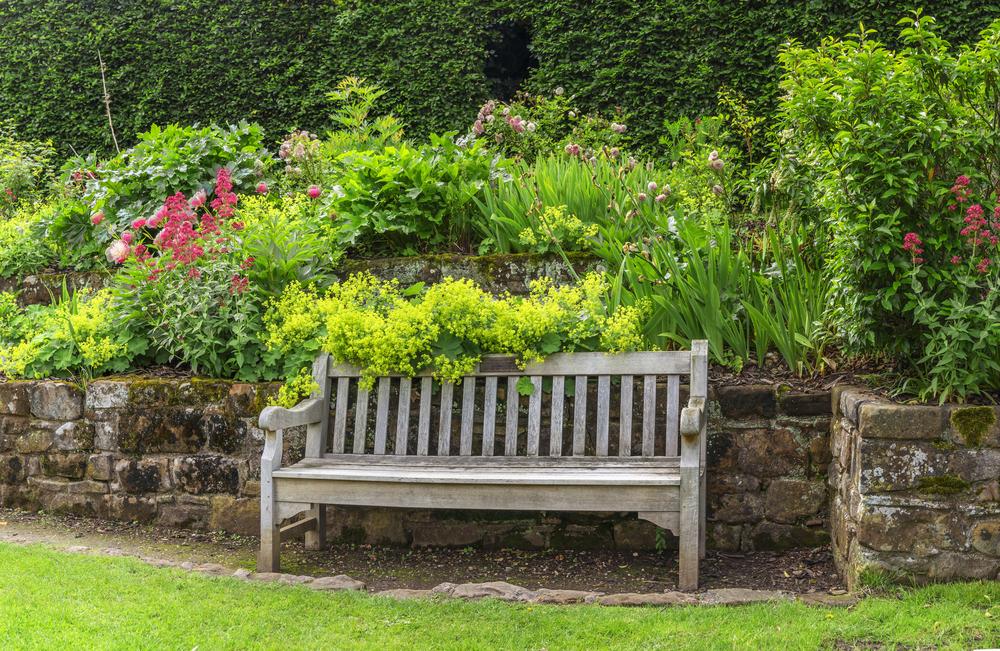
A traditional English garden can be planted anywhere. It is simply a matter of designing the garden to look like one that would be found in England. Usually when one thinks of an English garden they either picture an English cottage surrounded by many flowers seeming to be growing wild, or they may picture a more formal garden that would be found in an English estate.
About Traditional English Gardening
- English gardens have shrubs and flowers that are planted close together. You will not find much space between varieties of flowers. These may be planted directly into the ground or in planters that are placed close together.
- Benches are often found in these gardens. They are nestled among the plants so one can sit and enjoy their beauty.
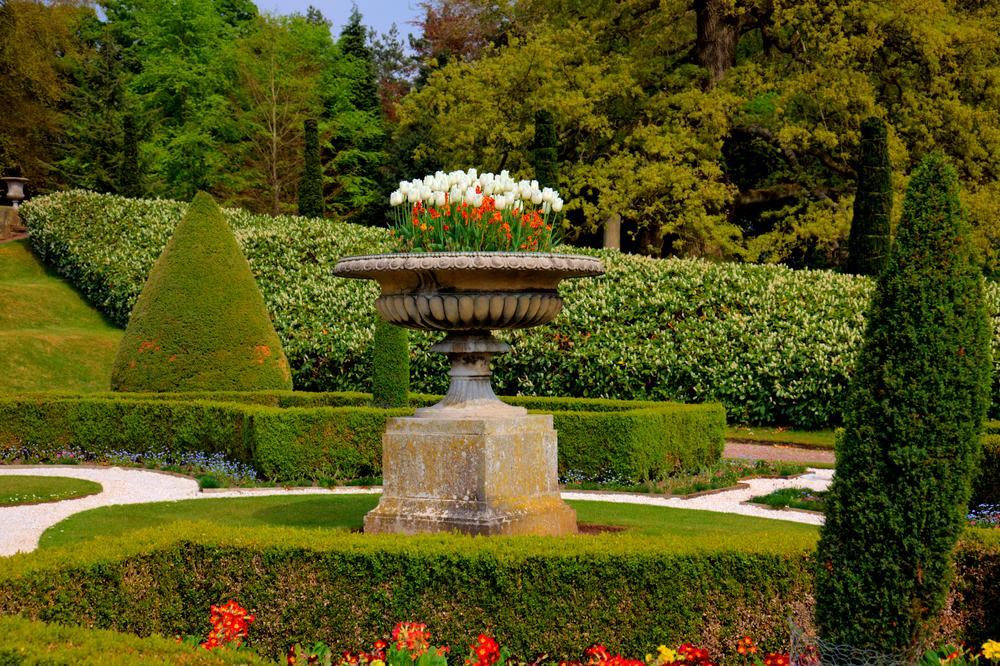
- For a formal English garden incorporate gazebos, topiary, benches and stone walls.
- A formal garden should be more manicured, grass should be trimmed, walkways should be kept free from weeds. Hedges should also be trimmed.
- A cottage garden should look more carefree.
- The garden should be calm and relaxing.
- Plant hedges around the borders of your garden. These should be kept neatly trimmed.
- Both types of garden should have paths to follow through the garden.
- English gardens have a focal point. It can be a fountain, statue, or special garden within the garden, perhaps a rose garden.
- English cottage gardens have a section for an herb garden.
- Avoid setting up your garden where there are large shady trees.
- England gets a lot of rain, so these gardens require a lot of water to be green and lush as they should be.
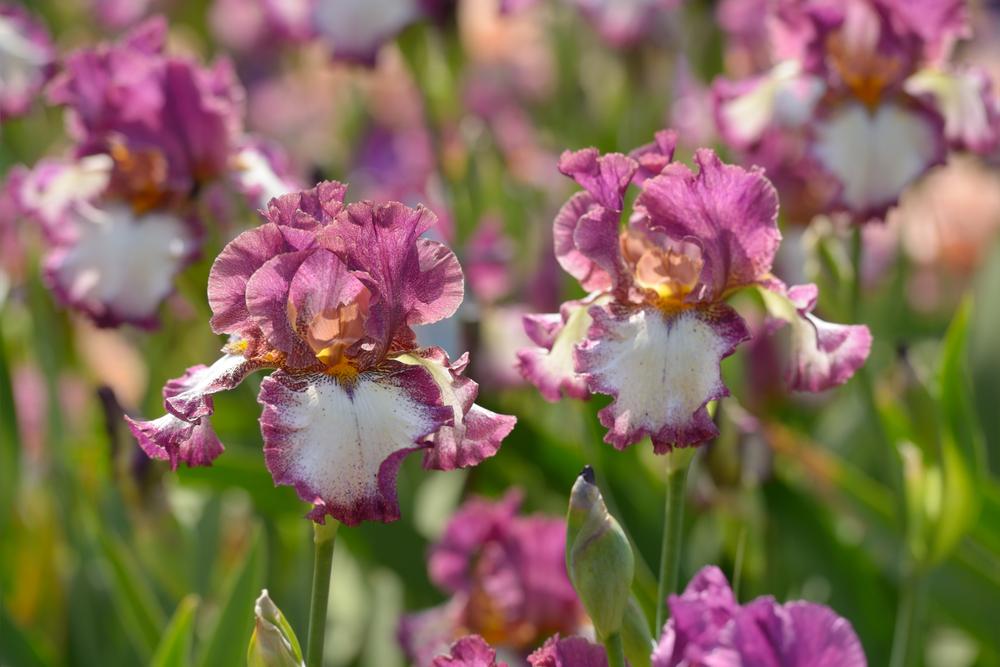
- Some flowers that are common in English country gardens are; lupines, Iris, Forget Me Not, Columbine, Sweet William, Snap Dragon, Dusty Miller, and Balloon Flower.
- It is a good idea to plan your garden out on paper before you begin planting.