House Water Filtration Systems
Water is the backbone of nearly every routine in your home, yet few of us know how a house water filtration system actually works. Clean drinking water is nonnegotiable, for both our health and our appliances. Ensuring access to safe water depends on the effectiveness of water purification systems for home use. Understanding how these systems work helps you choose the right filtration solution and maintain it properly.
What Is a House Water Filtration System?
Before water reaches any faucet or appliance, it passes through a house water filter installed on the main water line. A house water filtration system is designed to improve water quality by removing contaminants, impurities, and unwanted substances from the water supply. This results in cleaner, safer water for cooking, showering, drinking, and other uses. These systems can range from simple point-of-use filters to whole-house systems that treat all water entering the home.
Why You Might Need a Water Filtration System

Common Tap Water Contaminants
Contaminants such as lead, chlorine, bacteria, or pesticides can pose significant health risks, particularly for children or individuals with weakened immune systems. For example, chlorine can cause an unpleasant taste and smell, lead from old pipes is hazardous to neurological health, and bacteria, such as E. coli, can cause illnesses. Water systems play a crucial role in removing water contaminants, thereby reducing the risk of health hazards and enhancing water quality.
Health and Household Benefits
Filtration also improves both the flavor and odor of water, making it more pleasant to drink and helping you save on the cost of bottled water. It offers not only health benefits but also household advantages. Water high in minerals, such as calcium, can damage plumbing, water heaters, and appliances. A filtration system prevents this damage and extends the lifespan of your appliances. It’s also worth noting that local water issues may require specific filtration to address certain contaminants. Even if your municipal water meets safety standards, a filtration system provides an extra layer of protection.
Types of House Water Filtration Systems
Here are the common types of house water filtration systems.
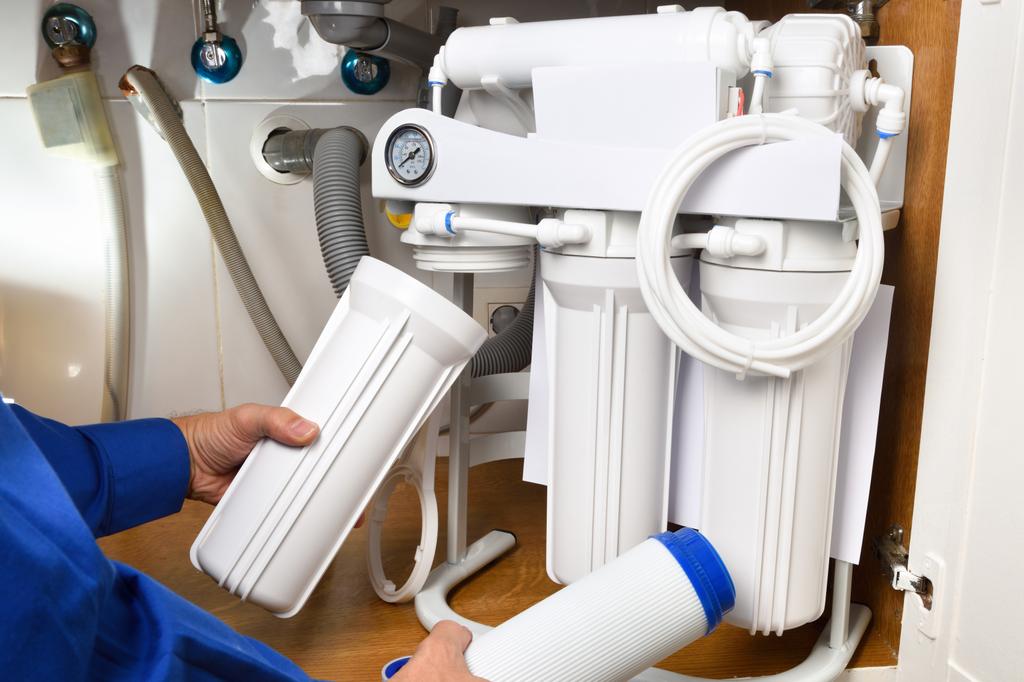
Whole House Filtration Systems – filter all water entering the home
Whole-house filtration systems purify all the water that enters a home, providing clean water for drinking, cooking, bathing, and laundry. Located at the primary water line, these systems remove sediments, chemicals, and various contaminants. They are perfect for homes that require thorough water treatment.
Reverse Osmosis Systems – high-level purification, often point-of-use
Reverse osmosis systems provide advanced purification, commonly used in point-of-use areas, such as kitchen sinks. They operate by pushing water through a semi-permeable membrane, removing dissolved solids, heavy metals, and pollutants like lead and arsenic. RO systems offer excellent water purity but can require maintenance and produce some water waste during the filtration process.
Сarbon Filter Systems – removes chlorine, improves taste and smell
Carbon filtration systems utilize activated carbon to remove chlorine, volatile organic compounds, and unpleasant odors, thereby enhancing the flavor and scent of water. Offered as point-of-use or whole-house solutions, they are beneficial for improving overall water quality. However, they might not filter out minerals or bacteria, making them most suitable for tackling chemical pollutants.
UV Water Purifiers – kill bacteria and viruses
UV water purifiers utilize ultraviolet light to eliminate bacteria, viruses, and various microorganisms, guaranteeing that the water is safe from microbiological threats. Combined with other filtration methods, they are perfect for households relying on well water or those located in regions vulnerable to microbial contamination. To maintain peak performance, it is essential to replace the bulbs on a regular basis. Combined with other filtration methods, they are perfect for households relying on well water or those located in regions vulnerable to microbial contamination.
Water Softeners – addresses hard water minerals (calcium, magnesium)
Water softeners are designed to address hard water minerals such as calcium and magnesium, which can cause scale to accumulate in pipes and appliances. They function through ion exchange, swapping these minerals for sodium or potassium. Although they do not purify water, they improve its quality for laundry, dishwashing, and bathing.
How to Choose the Right Water Filtration System
- Test Your Water Quality
- Use an at-home test kit for a quick check on common contaminants, such as lead or chlorine.
- Send a sample to a certified lab.
- Match System to Contaminants
- Choose a system based on your water’s specific issues; for example, consider a carbon filter for sediment and a reverse osmosis system for hard water.
- Check the system’s specs to ensure it targets the contaminants found in your test results.
- Consider Household Needs and Budget
- Larger families need higher-capacity systems.
- Balance upfront costs with ongoing maintenance.
- Opt for budget-friendly options, such as pitcher filters or faucet attachments, if cost is a concern.
Installation and Maintenance
Installation and Maintenance
The way your home water filter is installed and maintained has an impact on its performance, energy efficiency, and longevity. When installed correctly, especially by a professional, you benefit from a reduced risk of malfunctions, lower energy costs, and optimal functionality. Timely filter replacements and scheduling system checks ensure that issues don't escalate into major, costly repairs. However, neglecting these tasks can lead to poor performance and, eventually, system failure.
Professional vs DIY Installation
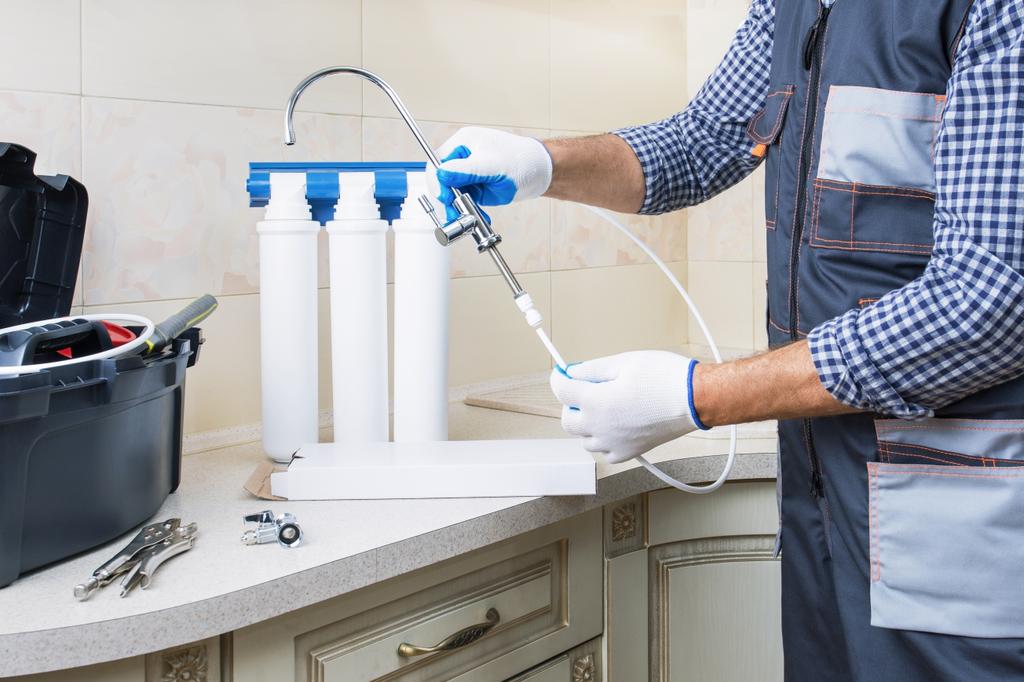
If you’re looking for a safe, easy, and precise installation that avoids future issues, hiring a professional is your best bet. For complex or advanced water filtration systems, technical knowledge is essential, so hiring a professional ensures a safer, more reliable installation
On the other hand, if you're confident in your skills and the system is straightforward, a DIY installation can save money, but it also comes with risks. Mistakes can lead to leaks, voided warranties, or performance issues.
Routine Maintenance
To keep your home’s water filtration system running smoothly, there are several important routines to maintain:
- Replace filters every 1–3 months to preserve water quality.
- Do a visual inspection if you notice any change in water pressure.
- Watch for signs of clogs, leaks, or mold.
- Clean components such as filter housings, vents, or tanks regularly to prevent buildup.
- Schedule professional inspections annually to spot issues before they escalate.
How Much Does a House Water Filtration System Cost?
You can expect to spend $300 to $500 on labor for water filter installation alone. A whole-house water filter system costs between $1,129 and $3,540, with factors such as type, size, filtration rating, brand, and the number of filters influencing the final price. Maintenance costs for a whole-house system typically range from $50 to $300, covering inspections, filter replacements, and minor repairs. For plumbing services, plan on $45 to $200 per hour. If your system requires repairs, expect to spend between $50 and $800, depending on the issue. Keep all these figures in mind to avoid any unexpected costs later on.
Best Water Filters for Home Use
- AquaTru
- Cloud RO
- SpringWell CF
- Waterdrop G3 P800
- Kind E-3000
Finding the Right Professional for the Job
Hiring a professional to install your home water filtration system isn’t just convenient; it ensures safety, reliability, and expertise. A professional can assess your water quality, flow needs, and plumbing layout, as well as ensure the system complies with local regulations. They come equipped with the right tools, save you time, and often offer post-installation support.
When choosing an installer, be sure to check their certifications, read customer reviews, and verify the warranties. Avoid the hassle and potential costly mistakes of installing a house water filtration system on your own.