How Long Can Food Stay Good in a Warmer
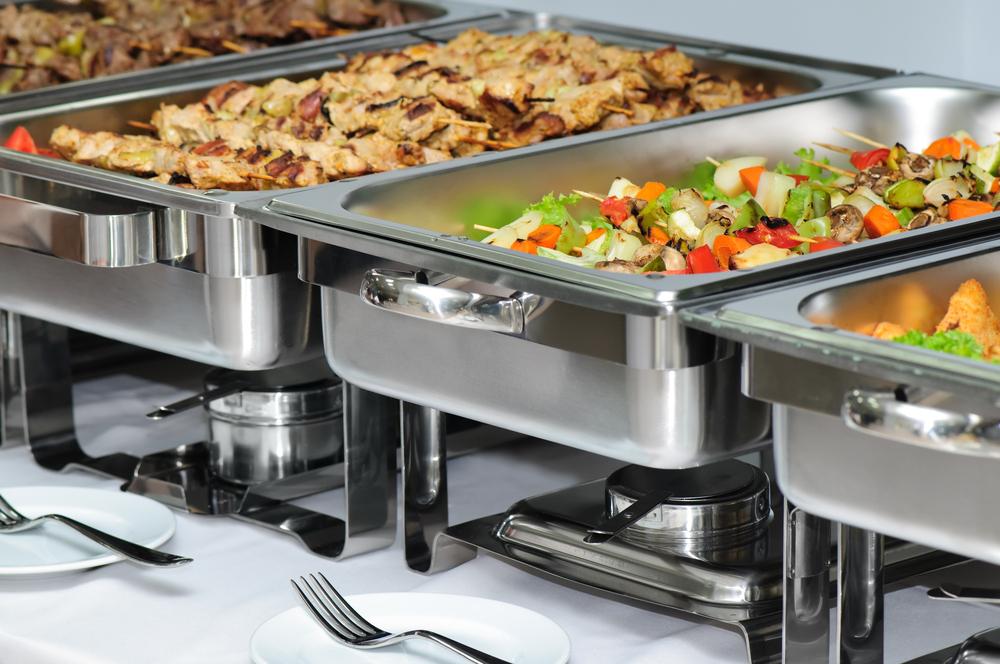
Food warmers, like electric hot boxes and thermal food transport units, are helpful when catering your own special event. When using a food warmer, abide by the same food safety guidelines set for food service professionals. Following USDA temperature rules will protect your guests from food borne illnesses and help preserve food quality.

General Time Guideline for Using Food Warmer.
- Plan on storing food in a food warmer no longer than 4 hours to ensure optimal food quality and safety.
- After one hour, take the temperatures of a few pans inside the warmer to make sure that food is 140 degrees F.
- During the second hour, do a quick quality check. Pay extra attention to pasta and vegetable dishes. Adjust the temperature, if food begins to dry out or overcook.
- After 3 hours, start preparing foods that still have large amounts remaining for cold storage. If you properly cool down leftovers, you will not have to discard them.
- At the fourth hour, no longer store food in food warmer.
- After 4 hours, if food service has ended simply empty the food warmer. If food service has not ended then replenish the food warmer with backup pans of food. Keep back up pans of food refrigerated until needed. Reheat back ups to 140 degrees F before placing them in the warmer.
Additional Tips For Using Food Warmers
- Remember the Danger Zone guidelines. The Danger Zone is between 40 degrees F and 140 degrees F. According to the USDA, at this temperature range foods can develop the pathogens that can cause food borne illnesses.
-
Use an accurate food thermostat. You can buy a good food thermostat for around 10 to 15 dollars. Cheaper food thermostats can give inconsistent and inaccurate readings.
-
Read the instructions for the food warmer. If the food warmer is a rental, then get a customer service representative to explain how to use it to you.
- Adjust the food warmer's temperature high enough to keep the food at 140 degrees F or above.
- Allow the food storage unit to reach optimal temperature before placing food in the warmer.
- Make sure the food is properly wrapped, covered and stored when you place it in the food storage box.
-
Check the temperature of the foods routinely but avoid opening the food warmer so much that the temperature of the food warmer drops.
-
Clean the thermostat after each time you check the temperature of an item. This will lower the risk of cross contamination and will help make sure the correct thermostat reading.
-
Dispose of any food that has been out of the food warmer for more than 2 hours to avoid food borne illnesses.