How to Fix Squeaky Floors: Easy DIY Solutions That Actually Work
Squeaky floors happen all the time, and they’re usually not a big deal. Even better, they’re often simple to handle.
Picture this: it’s quiet, everyone’s asleep, and you tiptoe across the room. Suddenly, your floor starts singing its annoying song.
Don’t worry! Squeaky floors happen all the time, and they’re usually not a big deal. Even better, they’re often simple to handle.
These creaks can be tackled with simple DIY floor repair. Just a few basic tools and a little effort, and you can enjoy a quieter space in no time.
In this guide, you’ll discover how to fix squeaky floors naturally without spending a fortune. We’ll walk through each step in plain and simple language.
Why Do Floors Squeak?
The good news is that most squeaks have simple causes, and it’s important to know the reason behind the noise before deciding how to fix it.
Wood expansion and contraction: Wood naturally swells when the air is humid and shrinks when it’s dry. This constant movement can make boards rub together and creak.
Loose nails: Nails that aren’t tight can scrape against the wood every time you walk over them, causing those annoying squeaks.
Loose floorboards: Sometimes the boards themselves aren’t snug against the subfloor. Each step can make them shift and squeak.
Subfloor separation: When the subfloor pulls away from the joists below, it creates movement that can cause a creak with every step.
Gaps between boards: Tiny spaces or uneven boards rubbing together are a common reason for squeaky floors, especially in dry conditions.
New construction settling: Even brand-new homes can have squeaks as the framing adjusts, and the house settles into place.
Identify the Type of Flooring First
Next, you should find out what type of flooring you’re dealing with. Each floor has its own quirks, and tackling the squeak the wrong way can do more harm than good. Taking a moment to find the real cause makes the whole process a lot easier.
Hardwood Floors
Hardwood floors are common in older homes. Over time, nails loosen, and boards may shrink or expand with humidity changes. If you know whether the noise comes from nails or shifting boards, it’s easier to decide how to fix squeaky hardwood floors correctly.
Carpeted Floors
Carpet can hide the floor underneath, so squeaks often come from the subfloor moving or separating from joists. Identifying this is important because repairs may require lifting the carpet or securing the subfloor from above or below.
Laminate or Engineered Wood
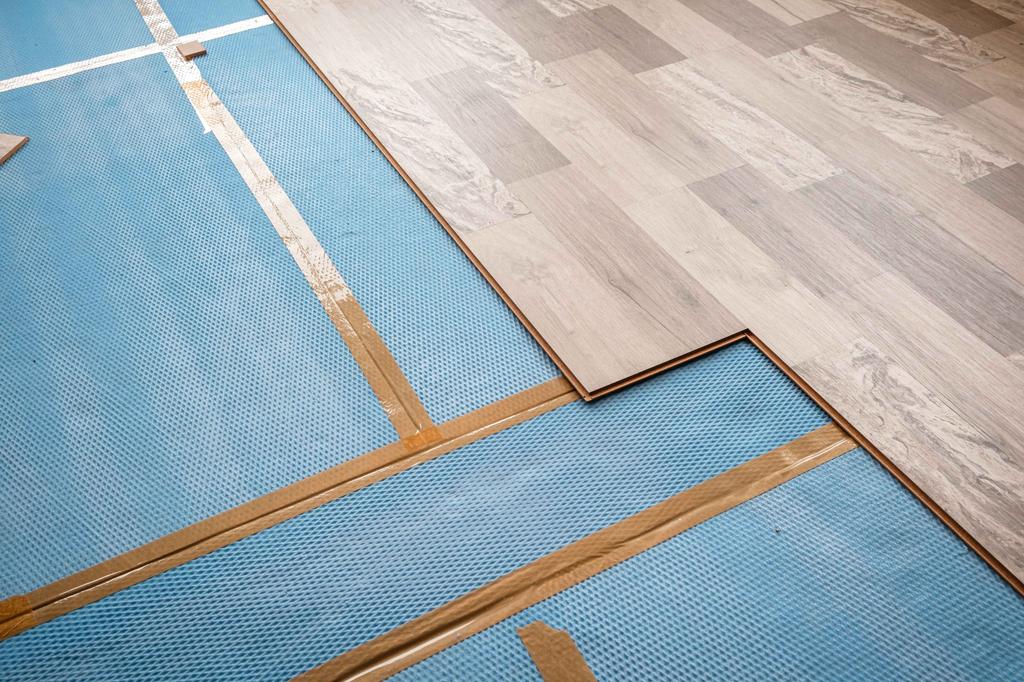
Floating floors aren’t nailed down, so boards can rub or move over the underlayment. Diagnosing the cause ensures you can fix the movement without damaging the surface.
Squeaks From Below
Basement or crawl space access makes it easier to repair from underneath. Finding the right spot lets you tighten loose nails or adjust floor joists directly, preventing unnecessary damage upstairs.

How to Fix Squeaky Floors From Above
If you’ve been searching for how to fix squeaky floors, one easy way is to handle the problem from above. The key is using the right method for your floor type and taking your time with each step.
Method 1: Secure With Screws
For hardwood or solid wood floors, securing the boards with screws is one of the most reliable solutions.
- Locate the joist beneath the squeaky area.
- Mark the spot so you stay aligned with the joist.
- Use trim-head screws so they sit flush with the surface.
- Drive the screws in slowly and steadily.
- Avoid over-tightening, which can crack or damage the wood.
This works well when boards move or nails have loosened over time. Properly secured boards should feel solid underfoot.
Method 2: Use Squeak Repair Kits
For carpeted floors, repair kits make the job much easier.
- Choose a kit designed specifically for carpeted surfaces.
- Find the joist below the squeaky spot.
- Insert the breakaway screw through the carpet into the joist.
- Snap off the screw head as instructed.
- Walk over the area to test and repeat if needed.
This method tightens the subfloor without pulling up the carpet.
Method 3: Apply Lubricant
For minor friction squeaks, lubricant can help reduce noise.
- Use powdered graphite or talcum powder.
- Sprinkle it between the boards where the sound occurs.
- Gently work it into the seams.
- Clean off any excess powder.
Always use the correct drill bit, wear eye protection, and work carefully. Screws offer the strongest fix; kits are ideal for carpet, and lubricants help with minor squeaks but may not last.
How to Fix Squeaky Floors From Below
If your home has a basement or crawl space, you may have a great advantage when it comes to stopping floor creaks. Access from below lets you see a squeaky subfloor and fix the problem right at the source.
H3: Add Shims Between Joist and Subfloor
Small gaps between the joist and subfloor often cause movement and noise. Filling those gaps can make a big difference.
- Look for spaces where the subfloor is not tight against the joist.
- Slide a wood shim into the gap.
- Tap it gently with a hammer until snug.
- Avoid forcing it too tightly, which can lift the floor above.
H3: Apply Construction Adhesive
If the subfloor has started to pull away slightly, adhesive can help secure it.
- Apply a steady bead of construction adhesive along the seam.
- Press the subfloor firmly against the joist.
- Allow time for the adhesive to set properly.
This reinforces loose panels and reduces movement.
H3: Install Blocking Between Joists
For floors with more noticeable movement, blocking adds strength.
- Measure and cut solid wood blocks to fit between joists.
- Secure them tightly in place.
- Focus on areas where movement is most noticeable.
The technique strengthens the floor framework, reducing wobble and movement, so squeaks are less likely to come back.
When to Call a Professional
Not every squeaky floor repair requires expert help, but some warning signs mean it’s time to call in a pro.
- Widespread squeaking across a whole room can indicate that the subfloor is loosening from the joists.
- Structural sagging floors that feel soft, bouncy, or dip in certain areas often point to weakened supports underneath.
- Water damage may hide beneath the surface. Warped boards, cupping, or musty smells suggest moisture has been sitting too long and could be weakening the structure.
- Mold concerns often show up with moisture issues. If you see visible mold or smell a persistent musty odor, it’s important to address it quickly for both safety and structural reasons.
- Uneven flooring bumps, slopes, or dips can signal shifting joists or foundation settling.
If you notice any of these signs, it’s smart to bring in a professional rather than guessing yourself.
Repair costs vary based on the issue and flooring type, but in general, expect somewhere around $300–$4,000+. Getting it checked early can save you time, money, and bigger repairs later.
How Much Does It Cost to Fix Squeaky Floors?
Handling noisy floors yourself is usually very affordable, with DIY options ranging from $10 to $100. Simple tools like shims, screws, or powdered lubricants can quiet most minor creaks without much effort.
Hiring a professional can cost more, typically between $200 and $1,000, depending on how severe the problem is and how much of the floor needs work. Professionals can find hidden issues and make sure the repair lasts.
In some cases, the subfloor may be damaged and require replacement. This is the most expensive option, sometimes running into several thousand dollars depending on the size of the space and the type of flooring.
How to Prevent Floors from Squeaking in the Future
A few simple steps during installation and maintenance can help stop floorboards from squeaking and make a big difference.
- Secure boards properly. Make sure each board is tightly nailed or screwed to the joists. Properly fastened boards are far less likely to shift and cause noise.
- Use screws instead of nails. Screws grip the wood better than nails, reducing movement and keeping boards firmly in place over time.
- Control indoor humidity. Wood naturally expands and contracts with moisture. Using a humidifier in winter and a dehumidifier in summer helps keep floors stable and reduces creaks.
- Choose quality underlayment. A good underlayment cushions the boards and lowers friction between the subfloor and flooring.
- Check your floors regularly. Inspect for loose boards, leaks, or wear. Small adjustments early can prevent bigger problems down the line.
H2: Fixing Squeaky Floors the Smart Way
If your floors are creaking, you don’t have to live with noise. Knowing how to fix squeaky floors lets you take control and stop the problem before it gets worse.
You can handle minor squeaks yourself. Tightening loose boards or adding a little lubricant often does the trick. Understanding what type of floor you have makes the process easier and helps you pick the right method.
For bigger issues like sagging or subfloor problems, a professional can step in and make sure it’s done safely. By acting now, you’ll keep your floors solid, quiet, and comfortable to walk on.