Landscaping Gravel Types: Pros and Cons
Understanding the different landscaping gravel types matters more than the price tag on the bag, and getting it right from the start saves you a redo down the road.
Gravel looks pretty interchangeable when it is sitting in a bag at the hardware store. Buy the wrong kind, though, and by the end of one season you could be dealing with a weedy, shifting mess that rolls your ankle every time you walk across it. Understanding the different landscaping gravel types matters more than the price tag on the bag, and getting it right from the start saves you a redo down the road.
Finding the Best Gravel for Landscaping
Before you fall for a particular color or shape, think about what the gravel actually needs to do. Will people walk on it barefoot? Does it need to support a car? Is drainage the main concern, or are you filling a decorative bed nobody will ever step on? Foot traffic, drainage and whether the material needs to compact and stay put should drive the decision. Once you know the job, the best gravel for landscaping your specific space basically picks itself.
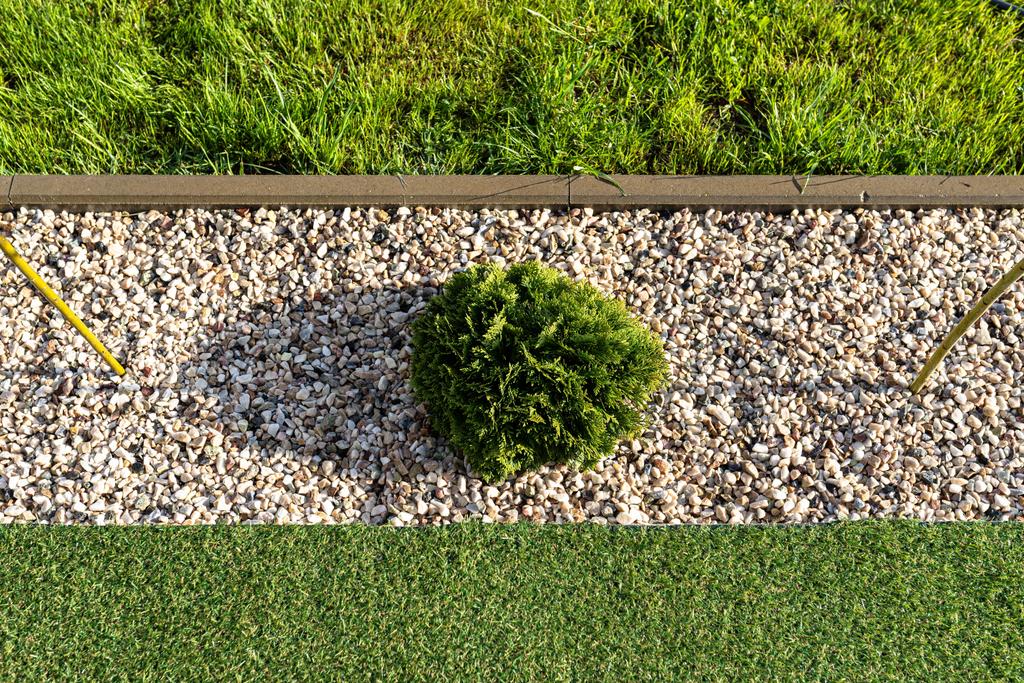
Pea Gravel
Pea gravel is made of small, rounded stones that feel smooth underfoot, which makes it a favorite for walking paths, patios and play areas. Kids can fall on it without much drama, and it has an easy, casual look.
The catch is that rounded stones do not lock together the way angular ones do. That means pea gravel shifts, scatters and tends to migrate outside its intended space unless you install solid edging or a border to hold it in.
Pea Gravel vs Crushed Stone: What's the Real Difference
Crushed stone has sharp, angular edges that interlock and compact into a firm, stable surface. That makes it the go to choice for driveways and as a base layer under pavers or other gravel types. It also drains well, so water does not pool on top.
When it comes to pea gravel vs crushed stone, the tradeoff for crushed stone is comfort and looks. Those same sharp edges are rough on bare feet, and the appearance is more utilitarian than decorative. Nobody chooses crushed stone for its curb appeal, but for durability and stability it is hard to beat.
River Rock
River rock is made of larger, smooth, polished stones and it looks great around water features, dry creek beds and other spots where you want a natural, high end appearance.
It comes at a price though, both literally and practically. River rock tends to be the most expensive option per ton, and the stones shift underfoot in a way that makes it a poor choice for anywhere people walk regularly.
Decomposed Granite (DG)
Decomposed granite has a soft, earthy look and it compacts into a surprisingly firm surface, which is why it shows up so often on garden paths and patios. It gives you a natural feel without the visual harshness of crushed stone.
Loose DG can erode over time and track into the house on shoes, so many installers recommend a stabilizer to help it hold its shape, especially in high traffic areas or wetter climates.
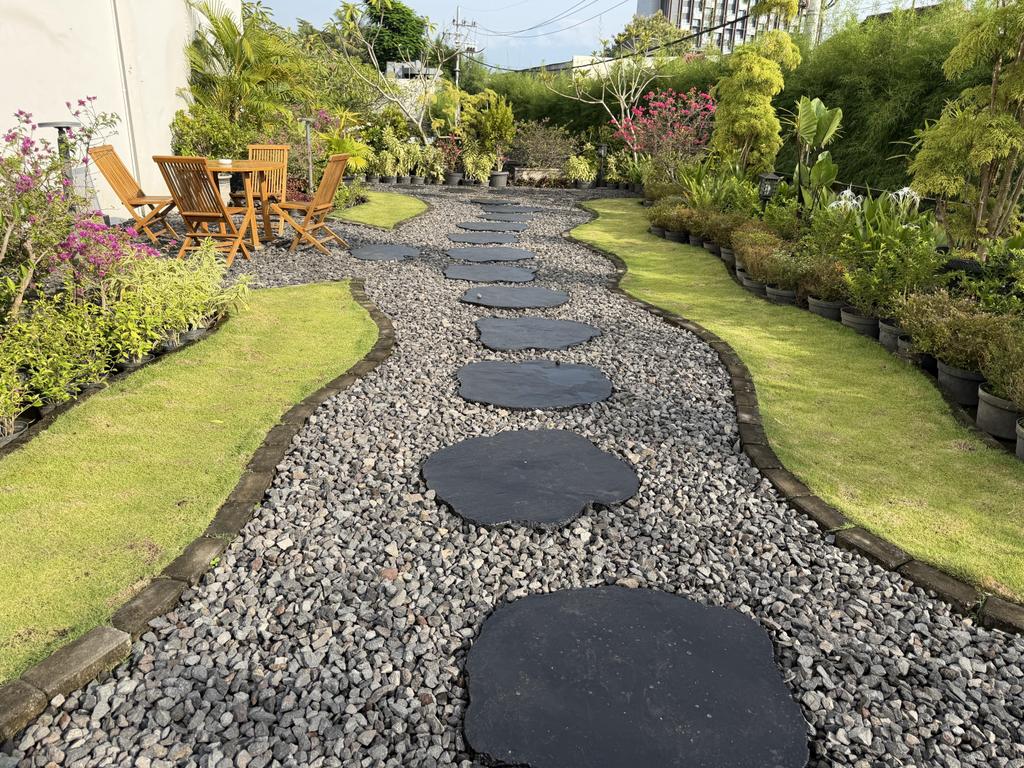
Decorative Gravel for Yards
Marble chips, lava rock and colored gravel are the go to choices when you want decorative gravel for yards rather than function. They work well in accent beds where visual contrast matters more than foot traffic or drainage. Lava rock in particular doubles as a lightweight mulch alternative that helps retain soil moisture.
These options cost more than standard gravel, and colored or marble varieties can fade or look harsh under strong sun, so they work best in smaller, more controlled spaces.
Quick Reference: Landscaping Gravel Types Compared
|
Type |
Best for |
Drainage |
Foot comfort |
Relative cost |
|
Pea gravel |
Paths, play areas |
Good |
High |
Moderate |
|
Crushed stone |
Driveways, base layer |
Excellent |
Low |
Low |
|
River rock |
Decorative, water features |
Good |
Low |
High |
|
Decomposed granite |
Paths, patios |
Moderate |
High |
Moderate |
|
Specialty/decorative |
Accent beds |
Varies |
Low |
High |
Don't Skip the Base
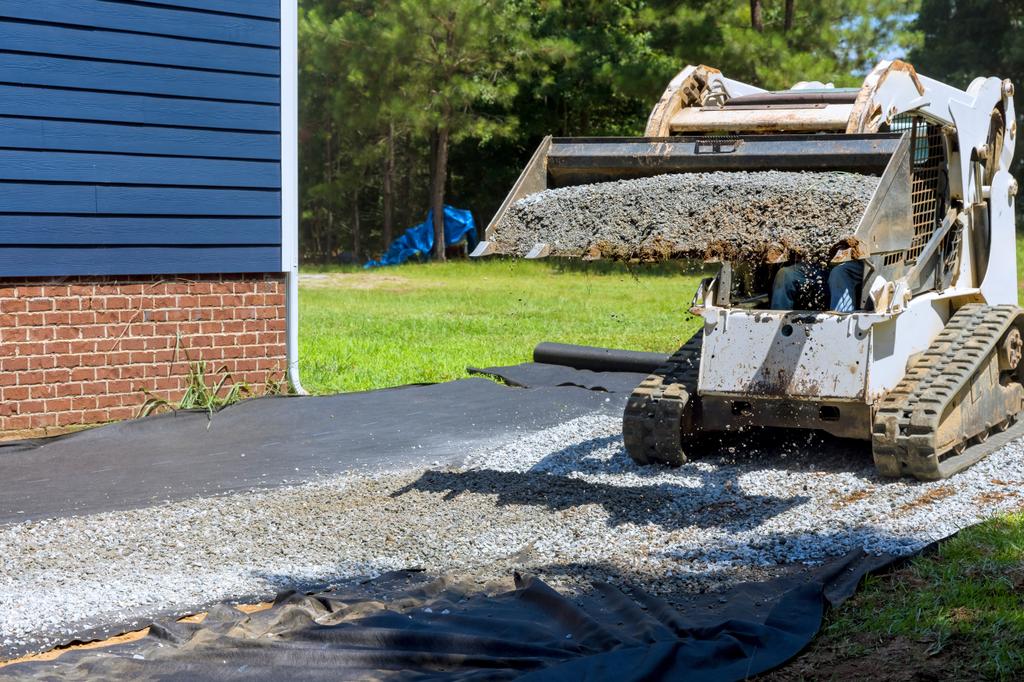
Almost every gravel project benefits from landscape fabric and a compacted base layer underneath. It is not glamorous work, but skipping it is the most common reason gravel installs end up full of weeds or sinking unevenly within a year or two.
What It Actually Costs
Gravel prices vary widely depending on the type, your location and how far the material has to be delivered.
As a general guide, crushed stone typically costs $20 to $50 per ton, pea gravel $30 to $55 per ton and decorative options such as river rock $45 to $130 per ton. If you're weighing gravel driveway options, crushed stone remains the most economical base material, while decorative types cost more but are meant for looks rather than load bearing. Delivery often adds another $50 to $150 or more per load, and many suppliers require minimum orders of 5 to 10 tons.
Because gravel is heavy, transportation often has a bigger impact on your final price than the stone itself. That's why it's always smart to compare quotes from local suppliers before placing an order.
Where to Go From Here
Availability, pricing and delivery all come down to what is happening in your specific area. Search MerchantCircle for gravel suppliers and landscapers near you to compare quotes and find out what is actually in stock before you commit to a type.